
Pruning
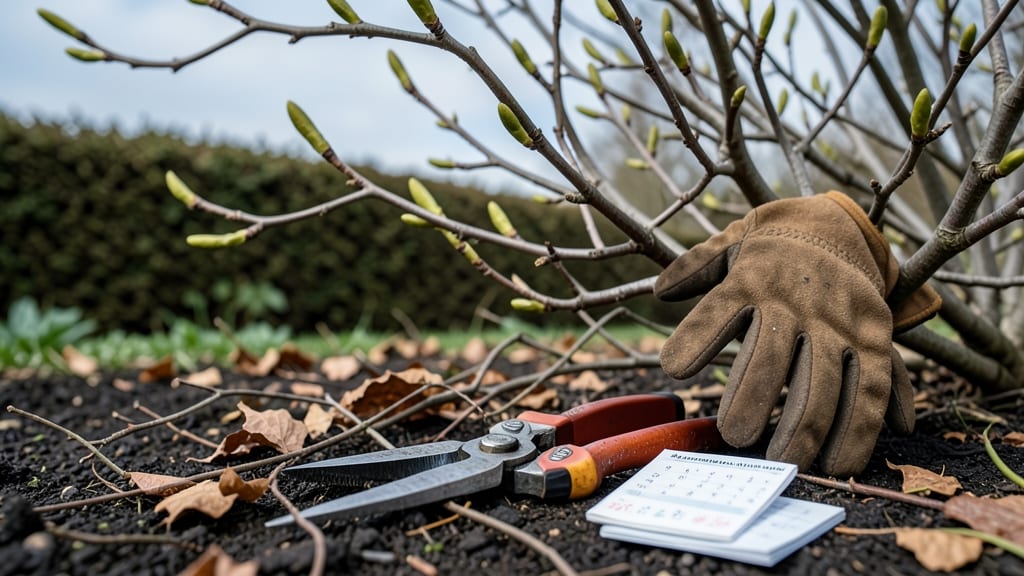
Pruning forsythia in late winter isn’t just timing—it’s the secret to next year’s brightest blooms. ✨ I learned the hard way: cutting too early means missing the showy yellow flowers, while waiting too long risks leggy growth.
The perfect window is right after the last frost but before buds swell—usually February to early March in most zones. Forsythia blooms on old wood, so pruning right after flowering forces next year’s flowers to form on new growth.
I cut back about one-third of the oldest stems each year, always making clean cuts just above outward-facing buds. This keeps the bush compact and prevents disease by improving airflow. You’ll see thicker foliage and more abundant blooms the following spring.
The bush stays healthier, resists pests better, and puts energy into flowers instead of overgrown stems. It’s a simple trick that makes all the difference. Works for both new and established forsythia, though younger bushes need lighter pruning. Here’s how to do it without sacrificing next year’s display!
📚 In This Guide
- What you need
- Instructions
- Tips and common mistakes
- Wrapping up and next steps
What you need
- ● Pruning shears: A sharp, bypass-style pair (avoid anvil shears—they crush stems). Look for 5-inch blades for precision cuts.
- ● Loppers: For thicker branches (½"–1½" diameter), opt for long-handled loppers (24–30 inches) for leverage.
- ○ Hand pruners (optional): If your forsythia is small, 4–6-inch pruners work great for fine-tuning.
- ● Gloves: Wear cut-resistant, garden gloves (size medium/large) to protect against thorns and scrapes.
- ● Disinfectant (70% isopropyl alcohol or bleach solution): Clean tools between cuts to prevent disease spread.
- ● Rag or paper towels: For wiping tools before/after use.
- ● Trash bag or bucket: To collect pruned branches (1–2 gallons capacity).
- ○ Marking twine or flags (optional): If you’re pruning for shape, use bright-colored twine to outline cuts.
- ○ Safety glasses (optional): Recommended if working with large, overgrown forsythia.
Instructions: when and how to prune forsythia for maximum blooms
Timing matters more than technique here—prune at the right moment and you'll get those vibrant yellow clusters next spring.
⏰ Step 1: Wait Until After Blooming but Before New Growth
Your pruning window opens the moment forsythia finishes flowering—typically mid-to-late April in most climates. The key is to cut immediately after the last bloom falls but before any new buds form. You'll see this as the stems turn slightly woody and the foliage begins to harden off. Pruning too early removes next year's flower buds, while waiting too late encourages leggy growth.
I always prune within 2-3 weeks after the last yellow bloom drops. If you miss this window, wait until late winter (just before buds swell) for your next chance. The plant's natural cycle is your guide—never prune when buds are already swollen or leaves have emerged.
✂️ Step 2: Remove Dead, Weak, and Crossing Branches First
Start by eliminating any dead or diseased wood—these branches won't produce blooms and can spread problems. Next, cut out weak, thin stems growing at odd angles, as they rarely flower well. Look for crossing branches rubbing together; these create wounds that invite pests. Make clean cuts at the branch collar where the branch meets the main stem, using sharp loppers or pruning shears for branches thicker than ½ inch.
Here's the thing—forsythia blooms on old wood, so you're not shaping like with spring-flowering shrubs. Instead, focus on opening the center of the plant to improve airflow. I like to visualize a vase shape—taller in the middle, gradually tapering outward. This prevents the classic "mop-head" look that blocks sunlight from reaching inner branches.
🌿 Step 3: Thin Out Overcrowded Areas for Better Bloom Production
Next, target overcrowded areas where branches compete for sunlight. Select the thickest, healthiest stems in each cluster and remove 1-2 competing branches per section. Forsythia responds well to thinning because it redirects energy into fewer, stronger stems that produce more abundant flowers. Aim to reduce the plant's density by about 20-30% total—this is more aggressive than most gardeners realize, but it pays off with dramatic blooms.
Watch for suckers at the base—these are vigorous but non-flowering growth. Cut them back to the ground immediately. You'll notice the plant's natural structure becomes more visible as you work. The goal is to create a balanced framework where sunlight reaches all branches, not just the outer canopy.
☀️ Step 4: Shape Lightly for Airflow and Sunlight Access
For final shaping, lightly trim long, leggy branches that spoil the plant's natural form. Cut back to an outward-facing bud to encourage growth in the right direction. Avoid heavy pruning—never remove more than ⅓ of the plant's total volume in one year. You'll see the difference in just a season: more sunlight penetration means more flower buds next spring.
Here's my pro tip: Step back frequently and visualize the plant from all sides. Forsythia has a loose, airy habit when properly pruned. If you end up with a dense center, you've gone too far. The branches should still look open and inviting after pruning—like a well-tended bonsai, not a hedge.
Tips & tricks for perfect forsythia pruning
Timing and technique are your best friends when it comes to coaxing those showstopper forsythia blooms. Here's what I've learned after years of pruning these golden beauties—and the mistakes I made along the way.
Seasonal Timing Secret: The 2-3 week window after blooming (typically mid-to-late April) is your golden opportunity. I've seen gardeners miss this window completely by pruning too early—when buds are still swollen—or too late, when new growth has already started. The key visual cue is when those vibrant yellow blooms have completely faded and the stems begin to harden. This is your plant's way of saying "I'm ready for next year's performance!"
Equipment Intelligence: You don't need a fancy pruning kit—just sharp loppers for branches thicker than ½ inch and clean pruning shears for everything else. I've ruined several cuts with dull tools, which led to ragged edges that took forever to heal. Disinfect your tools with rubbing alcohol between cuts to prevent spreading any potential diseases hiding in the plant. This is especially important when dealing with any dead or diseased wood.
Structural Vision Tip: Step back frequently and visualize your forsythia as a vase rather than a hedge. The goal is to create an open center that lets sunlight penetrate to all branches. I like to imagine drawing an invisible cone shape—wide at the top, narrowing toward the base. This prevents that dreaded "mop-head" look while ensuring every branch gets its share of sunlight for maximum bloom production. Remember, forsythia blooms on old wood, so you're not shaping like you would with spring-flowering shrubs.
Late Winter Backup Plan: If you missed the spring window, late winter (just before buds swell) is your second chance. The plant's natural cycle is your guide—never prune when buds are already swollen or leaves have emerged. I've learned this the hard way by pruning too early in late winter and accidentally removing next year's flower buds. When in doubt, wait until you see those buds beginning to swell before making your cuts.
Pro Tips for Best Time To Prune Forsythia
- Timing and technique are your best friends when it comes to coaxing those showstopper forsythia blooms.
- Seasonal Timing Secret: The 2-3 week window after blooming (typically mid-to-late April) is your golden opportunity.
- Equipment Intelligence: You don't need a fancy pruning kit—just sharp loppers for branches thicker than ½ inch and clean pruning shears for everything else.
Frequently asked questions
Got questions about pruning forsythia? You’re not alone! Here are answers to the most common queries—so you can prune with confidence and enjoy those vibrant blooms next spring.
When is the absolute latest I can prune forsythia without hurting it?
Prune forsythia right after it finishes blooming (late spring) as your last chance—but this will delay next year’s flowers. Late winter/early spring (before buds swell) is ideal for heavy pruning. If you miss that window, a light trim after blooming won’t harm the plant, though it may reduce next season’s show.
What if I prune too early in winter and a late frost hits?
Pruning too early (mid-winter) can expose fresh cuts to frost, which weakens the plant. Wait until after the last hard frost in your zone (usually late February–March in most regions). If you’re unsure, check your local frost dates or prune when forsythia is still dormant but buds are just starting to swell.
Can I prune forsythia in fall instead of winter?
Fall pruning is not recommended because new growth can’t harden off before winter, making it vulnerable to cold damage. If you must prune late, do it very lightly in early fall (September) to shape, but avoid heavy cuts. Stick to late winter for best results!
How do I know if I pruned too much? What are the signs?
Over-pruning shows up as sparse blooms or leggy growth the next year. If you cut back more than 1/3 of the plant or remove too many flowering branches, the plant may struggle. Look for fewer buds or long, bare stems—these are red flags. Next time, aim for a moderate trim and focus on shaping.
What if my forsythia didn’t bloom after pruning? Did I mess up?
Not necessarily! Forsythia blooms on old wood, so heavy pruning can delay flowers by 1–2 years. If you pruned aggressively, give it time—it should rebound. For immediate blooms, prune only dead or crossing branches in late winter. Patience is key!
Still unsure? Drop your specific concerns in the comments—we’re happy to help troubleshoot!
Wrapping up and next steps
Pruning forsythia in late winter or early spring—just before new growth begins—is your golden ticket to vibrant blooms and a healthier plant. 🌸 By removing dead wood and shaping your shrub, you’re not just tidying up; you’re setting the stage for next year’s showstopper display.
Now that you’re armed with the when and how, grab those pruners and give your forsythia the care it deserves—your future blooms will thank you!
Ready to transform your garden? Start by marking your calendar for next late winter and take action before the buds burst. Happy pruning! ✂️🌿