
Pruning
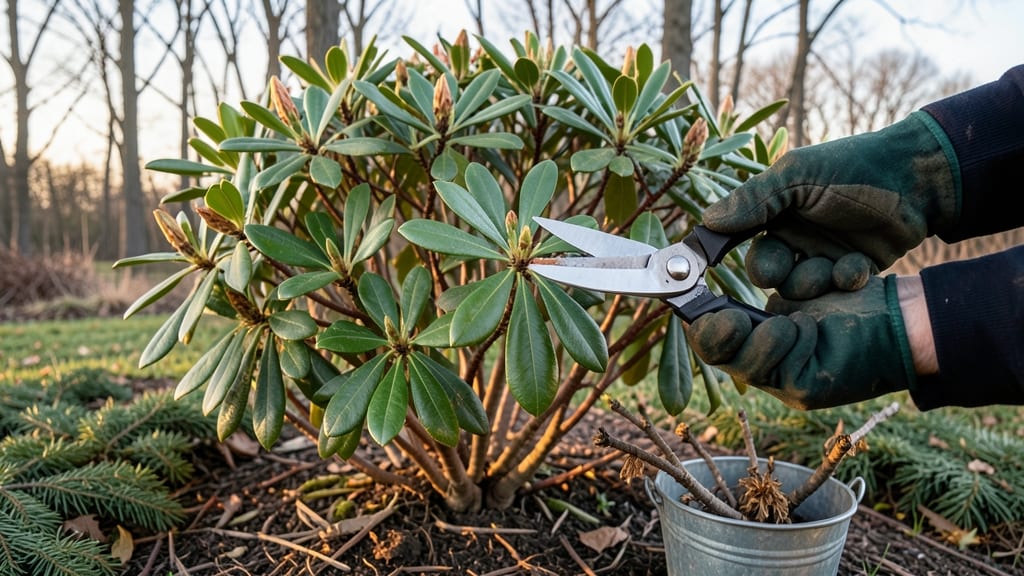
The ideal late winter pruning window for rhododendrons
Pruning your rhododendrons at the right time can transform your garden from overgrown to vibrant and healthy—but timing is critical. Late winter is the golden window for pruning these beauties, as it balances plant dormancy with the upcoming growth spurt.
If you prune too early, you risk frost damage; too late, and you’ll cut off next year’s flower buds. Let’s break down the exact timing and cues to look for.
Most rhododendrons bloom on old wood, meaning their flowers form on branches from the previous year. Pruning in late winter—just as dormant buds begin to swell—allows you to shape your plants without sacrificing blooms.
This typically falls between February and early March in most of the U.S., but regional climate variations can shift this window by weeks.
Key pruning cues include:
- Dormant buds beginning to plump up (a sign of impending growth)
- No risk of frost for at least 2-3 weeks after pruning
- New growth starting to peek from the soil (but not yet active)
| Pruning Stage | Ideal Timeframe | Key Cues | Avoid |
|---|---|---|---|
| Late Dormancy | Late February - Early March | Dormant buds swollen but no green shoots | Frost-prone nights |
| Early Growth | Mid-March - Early April | Tiny green tips emerging (but not yet 1 inch) | Active growth phase |
| Post-Bloom (Light) | June - July | After flowers fade (only for shaping) | Heavy pruning (damages next year’s buds) |
For USDA Zones 5-6, aim to prune in late February to early March, when daytime temperatures hover around 40-50°F. In warmer zones (7-9), you can extend this window into early April, as the risk of frost is lower.
If you live in Zone 10 or higher, prune in January-February to avoid the heat of summer.
One of the biggest mistakes gardeners make is pruning too late in spring. If you wait until April or May, you’ll cut off flower buds that have already formed, leaving your rhododendron with sparse or no blooms next season.
Always prune before buds swell—this is your green light to start shaping.
Look for dormant buds along the stems. These small, plump bumps indicate where new growth will emerge. If you see green shoots already poking through the soil, you’ve missed the window.
Pruning at this stage stresses the plant and can stunt its growth. Patience is key—wait for the right cues, and your rhododendrons will thank you with lush foliage and abundant blooms.
Don’t forget to sterilize your pruners with rubbing alcohol before and after use. Rhododendrons are susceptible to bacterial and fungal diseases, so clean tools prevent the spread of pathogens.
After pruning, mulch around the base with pine needles or wood chips to retain moisture and protect roots from temperature swings.
If you’re unsure about the timing, observe your local rhododendron blooms. Prune 6-8 weeks before you typically see flowers appear in your area. For example, if your rhodies bloom in May, aim to finish pruning by mid-March.
This simple rule ensures you never prune too late and risk losing next year’s show-stopping display. 🌸
Step-by-step late winter pruning guide for healthy rhodies
Late winter is the best time to prune your rhododendrons (rhodies) because the plant is dormant but hasn’t yet started pushing new growth. This timing lets you shape your shrubs without risking next year’s flower buds.
I’ve pruned my rhodies for years, and this method keeps them lush and blooming abundantly.
Before grabbing your pruners, gather a few essentials: sharp bypass pruners, sterilized shears, gloves, and disinfectant (like rubbing alcohol). Why? Clean tools prevent disease spread and ensure smooth cuts. I always wipe my blades between cuts on older plants to avoid contamination.
⚠️ callout warning
Never prune rhododendrons after mid-spring—this removes next year’s flower buds, which form on old wood. Late winter (just as dormant buds swell) is your only safe window for heavy pruning. Skip pruning if new growth has already started!
🌱 Pro Tip: Look for plump buds along stems—these signal it’s time to prune.
Start by removing dead, diseased, or crossing branches first. These are easy to spot—they’re brown, brittle, or growing into the plant’s center. Cut back to a healthy outward-facing bud or the main stem.
I like to make cuts at a 45-degree angle just above a bud to encourage water runoff and faster healing.
Next, thin out overcrowded areas to improve air circulation. Aim to remove 1/3 of the plant’s oldest growth to rejuvenate it. For large shrubs, focus on inner branches first—they get the least light.
I use my pruners to trim back to the main stem or a strong side branch, always leaving a bud facing outward.
After pruning, clean up all debris and apply a 2-inch layer of mulch around the base. This protects roots from temperature swings and retains moisture. I also water deeply to help the plant recover. Avoid fertilizing right after pruning—wait until early spring when new growth appears.
Finally, monitor your rhodies for new growth in early spring. Healthy plants will show green shoots within weeks. If you see yellowing leaves or stunted growth, you may have pruned too aggressively.
Next time, trim back 10-15% less to avoid stress. With this method, my rhodies now bloom earlier and more abundantly every year!