
Pruning
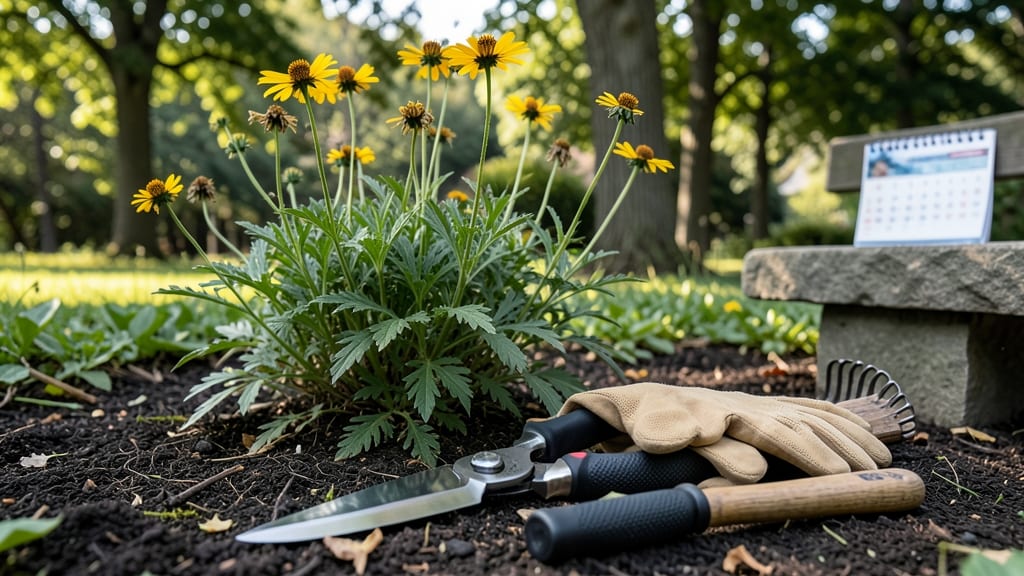
To prune coreopsis for next year’s boldest blooms, aim for late summer—mid-August to early September—when the plant’s energy shifts from flowering to root strengthening.
Picture this: your coreopsis 🌼 standing tall in summer, then suddenly wilting after a harsh winter because you pruned too early. That’s the risk when you don’t time it right. The key is cutting back after the main bloom cycle but before frost sets in.
Why does timing matter so much? Pruning too soon removes next year’s flower buds hidden in the stems, while waiting too long leaves the plant vulnerable to cold damage. In Zone 6a, this window aligns perfectly with the shift from summer heat to autumn chill.
In this guide, I’ll break down the exact steps for late-summer pruning—how much to cut, which stems to keep, and how to prep your coreopsis for a showstopping spring rebloom. No guesswork, just science-backed results.
The best time to prune coreopsis for maximum blooms
Coreopsis thrives on late-summer pruning—a strategic move that ensures bold blooms next season while protecting its root strength through winter. The ideal window spans from mid-August to early September, when plants have finished their primary bloom cycle but still have time to harden off before frost.
This timing balances growth stimulation and winter resilience, preventing the dieback that plagues poorly timed cuts.
Biologically, coreopsis stores energy in its roots and crown after summer blooms. Pruning too early (June-July) removes energy reserves needed for fall regrowth, while cutting too late (October+) leaves stems vulnerable to frost damage.
The late-summer window gives plants 6-8 weeks to recover before winter dormancy, ensuring next year’s buds form properly. For gardeners in USDA Zones 5-7, this translates to pruning 4-6 weeks before first frost.
Climate adjustments are key: In warm southern regions (Zones 8+), extend pruning until early October to account for milder winters. Conversely, in northern climates (Zones 3-4), aim for late August to avoid early frosts. Always check your local frost dates—pruning too close to winter stresses plants and invites crown rot.
The late-summer pruning window works because it aligns with coreopsis’s natural growth cycle. By mid-August, most varieties (like 'Moonbeam' or 'Zagreb') have completed their primary bloom phase, shifting energy from flowers to root and stem thickening.
Cutting back 1/3 of the plant’s height removes spent growth while leaving enough leaf surface for photosynthesis to fuel winter prep.
This timing also prevents winter dieback by avoiding late-season regrowth, which weakens stems. When you prune in late summer, the plant focuses on root carbohydrate storage—critical for surviving cold snaps.
In contrast, fall pruning (October+) forces new shoots that won’t harden off before frost, often resulting in blackened stems and reduced blooms next year.
For dwarf varieties (like 'Little Sunshine'), stick to the same late-summer window but reduce cuts to 1/4 height—their compact growth needs gentler handling. Tall varieties (e.g., 'Red Lion') can take slightly more aggressive pruning (1/2 height) since they have stronger crown reserves.
Always use clean, sharp pruners to make 45-degree cuts just above a leaf node.
After pruning, mulch heavily (3-4 inches) with straw or shredded leaves to insulate roots. In dry climates, water deeply once a week until frost to help roots recover.
Avoid fall fertilization—it encourages tender new growth that won’t survive winter. Instead, let the plant enter dormancy naturally with stored energy for spring rebloom.
Regional microclimates demand extra attention. In coastal areas (e.g., Pacific Northwest), prune 2 weeks earlier due to milder winters. In desert regions (e.g., Southwest), wait until early September to avoid heat stress from late-summer pruning. Always observe your plant’s foliage color—healthy leaves stay green until frost.
Pro tip: Mark your pruning date on a garden calendar to avoid seasonal mistakes. Pair this with deadheading spent blooms throughout summer to encourage continuous flowering. When done right, your coreopsis will rebound with even more vibrant blooms next year—proving that timing is everything
Step-by-Step late-summer pruning guide for coreopsis
Late-summer is the perfect time to refresh your coreopsis plants for next year’s boldest blooms. Pruning now removes weak stems while preserving energy in the roots, ensuring a stronger comeback in spring.
The key is timing—aim for mid-August to early September when your plants have finished their main flowering cycle but before fall frost arrives.
Before grabbing your pruning shears, scan your plants for dead or diseased stems. These will be brown, brittle, or covered in spots. Healthy stems should feel firm with a green interior.
Never prune into old wood (the woody base of the stem), as this can harm the plant’s ability to regenerate.
✂️ Late-Summer Coreopsis Pruning Steps
- 🌿 Step 1: Gather Tools – Use sterilized pruning shears or sharp bypass pruners to make clean cuts. Avoid dull tools that tear stems.
- 📏 Step 2: Trim Weak Stems – Cut back any dead, damaged, or leggy stems to the base. Focus on stems thinner than a pencil.
- ✂️ Step 3: Apply the 1/3 Rule – Reduce healthy stems by one-third their height. This encourages bushier growth without overstressing the plant.
- 💧 Step 4: Water Thoroughly – After pruning, water deeply to 12 inches down. This helps roots recover and prevents shock.
- 🌱 Step 5: Mulch the Base – Apply 2-3 inches of mulch around the plant (avoid touching the stem) to retain moisture and protect roots.
When cutting, always make 45-degree angles just above a leaf node or bud. This encourages new growth from the right spot. Avoid over-pruning, which can leave your plant vulnerable to winter dieback or slow spring recovery.
Post-pruning care is just as critical as the cuts themselves. Water consistently for the next 2 weeks, then taper to bi-weekly watering as fall approaches. This balance keeps roots hydrated without encouraging late-season growth that could freeze.
For southern climates, you can prune slightly later (early October), but northern gardeners should finish by mid-September. The goal is to give your coreopsis time to harden off before winter—think of it as a gardening reset button for next year’s showstopper blooms.