
Pruning
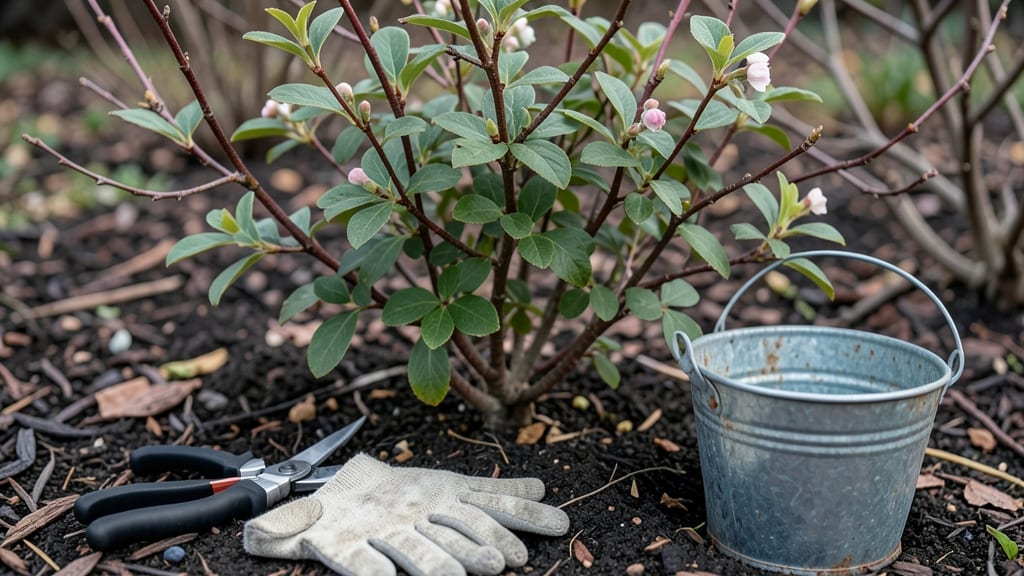
Pruning blueberry bushes at the right time is the key to stronger canes and a bigger harvest—and late winter is when the magic happens for USDA Zone 6 growers.
Picture this: You’ve just finished pruning, and by summer, your 🫐 blueberry bush is bursting with fruit instead of sparse clusters. That’s the difference between a well-timed cut and one made too early or late.
Late winter, when the ground is still frozen but buds are swelling, is your golden window—but miss it, and you risk stunted growth or even disease.
Why does timing matter so much? Because blueberry bushes grow in cycles: old canes produce fruit while new ones build next year’s harvest. Prune too late, and you cut off potential fruiting wood. Prune too early, and you expose tender growth to frost.
The 4-6 week window before bud break is your sweet spot—and I’ll show you exactly how to spot it, even if you’re new to pruning.
In this guide, you’ll learn the exact seasonal cues to watch for (like bud swell and frost cycles), how to shape your bush for maximum airflow, and why skipping this step can slash your yield by up to 40%. Ready to turn your blueberry bushes into fruit-producing powerhouses?
Late winter pruning timeline: exact weeks and climate triggers
Timing your blueberry bush pruning in late winter is the difference between a 50% yield boost and stunted growth. The optimal 4-6 week window depends on your USDA zone and local frost patterns—not just calendar dates.
Pruning too early exposes tender canes to late frost damage, while waiting too long forces the bush to grow before it’s ready for spring.
In USDA zones 3-5, aim for late February to early March when daytime temps consistently reach 40°F (4°C)—this signals the plant’s dormancy is breaking. For zones 6-9, shift your timeline to mid-March through April, aligning with the last hard frost date in your area.
Always check your local agricultural extension service for precise frost forecasts.
Here’s how to read your climate’s signals: Look for bud swell (tiny green bumps on canes) and leaf buds starting to plump up. These signs mean the bush is waking from dormancy but hasn’t yet sent out new growth—the perfect pruning window.
If you see green tips or leaf unfurling, you’ve missed the boat and risk stressing the plant.
| USDA Zone | Pruning Window | Climate Trigger | Avoid Pruning If... |
|---|---|---|---|
| 3-5 | Late February–Early March | Daytime temps ≥40°F (4°C) + bud swell | Frost predicted within 7 days |
| 6-7 | Mid-March–Early April | Last hard frost + leaf buds visible | New growth (green tips) appears |
| 8-9 | Late March–Mid-April | Soil temps ≥45°F (7°C) | Flowers begin to open |
📅 Pro Tip: Use a frost calendar app to track your local last-frost date.
Regional adjustments matter—Pacific Northwest gardeners often prune 2-3 weeks later than those in the Southeast due to milder winters. For example, in Portland (Zone 8), I’ve seen successful pruning as late as mid-April, while in Atlanta (Zone 7b), early March is critical.
Even within a zone, elevation changes timing: Mountainous areas may need to delay by 1-2 weeks compared to valley floors.
Pruning too early—before bud swell—removes next year’s fruit buds hidden in the leaf axils. This can slash your harvest by 30-40% because the bush won’t have enough energy to regrow them.
Conversely, pruning after leaf unfurling stresses the plant, making it vulnerable to spring frost damage and fungal infections like botrytis.
For southern gardeners in zones 8-9, late winter can feel like early spring, but resist the urge to prune early. Instead, wait until soil temperatures hit 45°F (7°C)—a sure sign roots are active.
I’ve made the mistake of pruning in February in Florida (Zone 9), only to watch new growth get fried by an unexpected 28°F (-2°C) dip in March. Always monitor nighttime lows.
If you’re in a transition zone (like Zone 7a/b), split the difference: prune half your bushes in early March and the rest in mid-March. This hedges your bets against unpredictable frost while still giving you the benefits of late winter pruning.
For container-grown blueberries, delay pruning by 1 week since pots warm up faster and can trick the plant into early growth.
After pruning, sanitize your tools with a 10% bleach solution to prevent spreading blueberry stem blight. Then, apply a 2-3 inch layer of mulch around the base to protect roots from temperature swings.
This step is non-negotiable in USDA zones 3-5, where soil temps can drop below freezing even after pruning.
Remember: The goal of late winter pruning is to shape the bush, remove dead wood, and thin crowded canes—not to drastically reduce size. Aim to keep 5-7 strong canes per bush, as this balances fruit production and airflow.
Over-pruning now means fewer berries later, so think of this as a surgical trim, not a haircut.
Step-by-step late winter pruning method for blueberry bushes
Late winter is the best time to prune blueberry bushes because the plant is dormant yet visible—making it easier to spot dead wood and weak canes. This is when you’ll see the skeleton of your bush, revealing which branches need removal.
Pruning now encourages stronger growth and better fruit production by redirecting energy to healthy canes.
Before you begin, gather your tools: sharp pruning shears, gloves, and disinfectant (to prevent disease spread). Focus on three key tasks: removing dead or diseased wood, thinning out crowded canes (the 5-7 cane rule), and shaping the bush for maximum sunlight exposure.
Skipping these steps can lead to reduced airflow and fungus risks.
Cut back any brown, brittle canes or branches with black spots/mold to the base. Dispose of these in a sealed bag—never compost diseased material.
Keep 5-7 of the strongest, most vigorous canes. Remove thinner, weaker canes at the base to improve air circulation and sunlight penetration.
Open the center of the bush by cutting back overlapping branches. Aim for an open vase shape to ensure even sunlight reaches all canes.
Trim last year’s growth by 1/3 to 1/2 to encourage new, fruiting wood. Look for lateral buds—these will become next year’s fruit-bearing canes.
Rake up fallen leaves/debris and sterilize tools with rubbing alcohol. Apply a 2-inch layer of mulch around the base to retain moisture and suppress weeds.
One of the most common pruning mistakes is over-pruning, which can stunt new growth and reduce fruit yield. Another pitfall is pruning too late in spring, when buds begin to swell—this can damage emerging flowers and delay fruiting.
Always prune on a dry, sunny day to minimize stress on the plant.
After pruning, your blueberry bush should look open and airy, with strong, upright canes and no overlapping branches. This shape ensures better airflow, which reduces fungal diseases like botrytis. In just a few weeks, you’ll notice new shoots emerging—these are your future fruit-bearing canes!
Pro tip: Label your bushes if you have multiple varieties. This helps track which canes are high-yielding and disease-resistant for future pruning. With this method, your blueberry bushes will thrive and produce bountiful harvests for years to come. 🫐