
Pruning
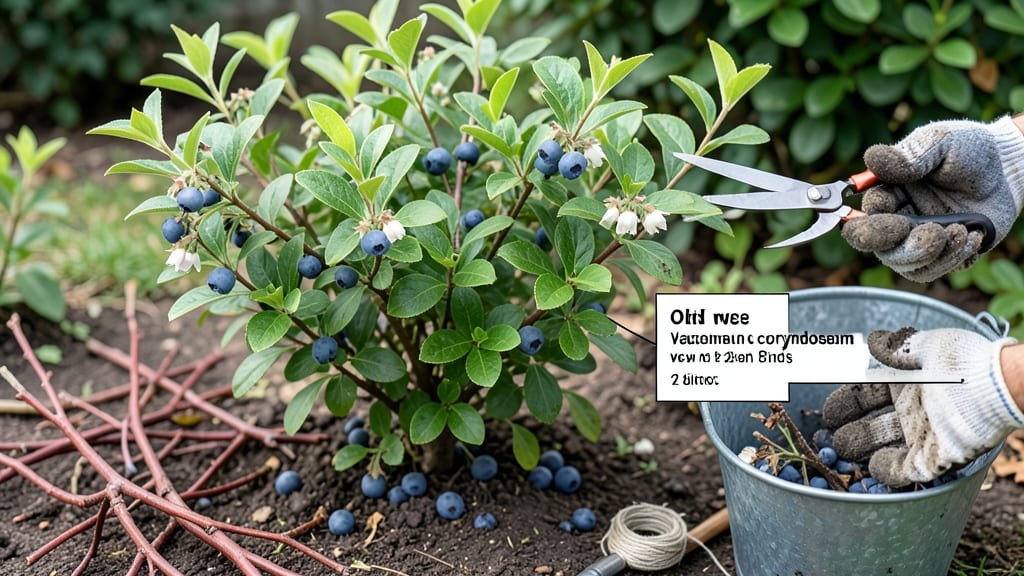
Pruning blueberry plants in late winter reveals their hidden potential. ✂️ I’ve watched my bushes go from tangled messes to productive powerhouses after mastering this one seasonal task—it’s all about timing, technique, and knowing which canes deserve to stay (or go).
The goal isn’t just to tidy up: you’re shaping the plant for better airflow, which cuts down on fungal diseases like mummy berry. Start by removing dead, diseased, or crossing branches—these are the first to sacrifice.
Then focus on thinning out older wood (more than 5 years old) to make room for younger, fruit-bearing canes. By spring, you’ll see fresh green shoots where you pruned, and those new canes will produce heavier harvests than ever before.
The key is patience—don’t rush to open up the center too aggressively, or you’ll stress the plant. This method works for both lowbush and highbush varieties, and once you see the difference, you’ll never prune the same way again.
📚 In This Guide
- What you need
- Instructions
- Tips and common mistakes
- Wrapping up and next steps
What you need
- ● Pruning shears: Sharp, bypass pruners (for clean cuts on smaller branches). (1 pair)
- ● Loppers: Heavy-duty, bypass or anvil type (for thicker canes, up to 1.5 inches in diameter). (1 pair)
- ● Hand saw: Pruning saw with a fine-tooth blade (for stubborn, woody stems). (1)
- ● Gloves: Garden gloves with cut-resistant palms (to protect against thorns and rough branches). (1 pair)
- ● Disinfectant: 70% isopropyl alcohol or bleach solution (1 part bleach to 9 parts water) (to sterilize tools between cuts and prevent disease). (small bottle or spray)
- ○ Pruning sealant: Optional but helpful (for large cuts on older canes to prevent moisture loss). (small tube)
- ● Timing: Prune during late winter or early spring (before buds swell but after the worst frost). Avoid pruning in wet or freezing conditions.
- ● Weather: Choose a dry, overcast day to minimize stress on the plant.
- ● Safety gear: Long sleeves and pants (blueberry bushes can have thorns!).
- ● Plant identification: Know your blueberry variety—southern highbush, rabbiteye, or northern highbush—as pruning techniques may vary slightly.
Step-by-Step instructions for pruning blueberry plants
Here’s how I prune my blueberries every winter—this method keeps bushes productive and healthy for years.
✂️ Step 1: Identify and Remove Dead or Diseased Canes
Start by cutting out any canes that look completely dead, brown, or mushy at the base—these won’t produce fruit and can spread disease. I grab each cane near the base and give it a gentle tug to check for rot. If it comes out easily, it’s dead. Use clean, sharp pruners to cut these canes at the ground level.
Next, look for canes with signs of disease like black spots, mold, or unusual growths. These should go too. I always disinfect my pruners with rubbing alcohol between cuts to prevent spreading anything to healthy canes. This first step clears out about 10-20% of the bush—don’t skip it, even if it seems drastic.
✂️ Step 2: Prune Out Old Wood (Over 5 Years Old)
Blueberries produce best on younger canes. Any cane older than 5 years is past its prime and should be removed. These canes are usually thicker and have fewer buds. I look for the age rings at the base of each cane—counting them helps me decide. Cut these right at the ground with your pruners.
Here’s the thing—this might seem harsh, but it’s what keeps your bush productive. I’ve seen bushes with too many old canes produce fewer and smaller berries. After removing the old wood, you’ll notice the bush looks more open. This improves airflow, which prevents fungal diseases and helps new canes grow stronger.
✂️ Step 3: Thin Out Crowded Canes
Now, focus on spacing. Blueberry bushes need good airflow, so I aim to keep 5-7 strong canes per plant. If canes are growing too close together, select the weakest ones to remove—these are usually thinner, have fewer buds, or lean against neighbors. Cut these at the base, leaving the stronger canes to grow.
This step is where I get the most pushback—people worry about removing too many canes. But crowded canes compete for nutrients and light, leading to smaller berries. After thinning, your bush should look like it has room to breathe. If you’re unsure, err on the side of fewer canes—you can always prune less next year.
✂️ Step 4: Shape the Bush and Encourage New Growth
Now it’s time to shape the bush. I step back and look for canes that are crossing or rubbing against each other—these create wounds where disease can enter. Cut one of the crossing canes at the base. Next, I look for canes growing inward toward the center of the bush and remove about half of them to open up the center.
Finally, I make small cuts to encourage branching on the remaining canes. I cut back the tips of last year’s growth by about 1/3 to stimulate new side shoots. This is where next year’s fruit will form. I always leave at least 3-4 buds on each cane to ensure new growth. After shaping, the bush should look balanced and open.
⏰ Step 5: Clean Up and Apply Mulch
Once pruning is done, I gather all the cuttings and remove them from the area—don’t leave them under the bush. This prevents disease from overwintering. I also rake up any fallen leaves or debris around the base. Then, I add a 2-3 inch layer of mulch (like wood chips or pine straw) around the base but not touching the stems.
This mulch helps retain moisture, regulate soil temperature, and suppress weeds. I water the bush deeply after mulching to settle everything in. Now, your blueberry plant is ready for spring—stronger, healthier, and set up for a great harvest next season.
Tips & tricks for pruning blueberry plants
These simple strategies will help you prune with confidence and keep your blueberry bushes thriving for years.
Tool Prep: Before you start, sharpen your pruners and disinfect them with rubbing alcohol. Dull blades tear canes instead of making clean cuts, which invites disease. I also keep a small bucket nearby to collect cuttings—this makes cleanup easier and prevents accidental re-planting of diseased material. Clean tools between each cut, especially when moving from diseased to healthy canes.
Visual Cues for Step 1: In Step 1, when checking for dead canes, look for a hollow sound when you tap them gently with your knuckles. Healthy canes feel firm and solid. For disease identification, examine the undersides of leaves for black spots or fuzzy mold—these are dead giveaways. Remember, removing 10-20% of the bush might seem extreme, but it's what prevents disease spread and keeps your plant healthy long-term.
Age Ring Inspection: To determine cane age in Step 2, count the rings at the base where the cane meets the soil. Each ring represents one year of growth. If you're unsure, look for the thickest canes—they're usually the oldest. I've found that canes older than 5 years often have fewer buds and produce smaller berries, so removing them pays off in bigger harvests next season.
Mulch Application: When applying your 2-3 inch layer of mulch in Step 5, keep it 2-3 inches away from the stem to prevent rot. I use pine straw because it's lightweight and allows water to penetrate easily, but wood chips work too. The key is to create a donut shape around the base, not a mound touching the trunk. This simple adjustment prevents moisture buildup that can lead to fungal problems.
Pro Tips for Prune Blueberry Plants
- These simple strategies will help you prune with confidence and keep your blueberry bushes thriving for years.
- Tool Prep: Before you start, sharpen your pruners and disinfect them with rubbing alcohol.
- Visual Cues for Step 1: In Step 1, when checking for dead canes, look for a hollow sound when you tap them gently with your knuckles.
Frequently asked questions
Got questions about pruning blueberry bushes? You’re not alone! Here are answers to the most common concerns—so you can confidently shape your plants for a bountiful harvest.
When is the best time to prune blueberry bushes?
Prune your blueberry plants in late winter or early spring, before new growth begins (typically February–March in most climates). This timing promotes healthy regrowth and minimizes stress. Avoid pruning in fall, as it can expose plants to winter damage or pests.
Do I need to sterilize my pruners between cuts?
Sterilizing your pruners with rubbing alcohol or a 10% bleach solution between cuts prevents the spread of fungal diseases (like mummy berry) and bacterial infections. Wipe blades clean after each snip—especially if you’re working with multiple bushes or plants.
What if I prune at the wrong time?
Pruning at the wrong time (e.g., mid-summer) can stress your plant, reduce next year’s crop, or invite pests. If you’ve already pruned too late, don’t panic! Focus on removing only dead or diseased wood now and adjust your schedule for next year. Mulch heavily to support recovery.
How do I know which canes to cut?
Blueberry bushes have two types of canes: fruit-producing wood (last year’s growth, often reddish-brown) and vegetative wood (current year’s green shoots). Cut out:
- Dead, diseased, or crossing canes
- Weak or spindly growth
- Canes older than 5–6 years (they produce fewer berries)
Can I prune blueberry bushes in containers?
Yes! Container-grown blueberries follow the same pruning rules but require more frequent attention due to limited space. Prune aggressively to encourage bushiness—aim for a rounded shape—and repot every 2–3 years to refresh root health. Dwarf varieties thrive in containers!
Wrapping up and next steps
Pruning your blueberry plants during dormancy isn’t just about shaping—it’s about setting them up for bigger harvests, healthier canes, and fewer pests. By following these steps, you’ll encourage strong growth, better airflow, and a thriving bush year after year.
Now that you’ve got the know-how, grab those pruners and give your blueberries the care they deserve!
Ready to take it further? Mark your calendar for next year’s pruning season and consider investing in a quality pair of pruners or a pruning saw for larger branches. Happy gardening—your future blueberry pies will thank you! 🍒✨