
Pruning
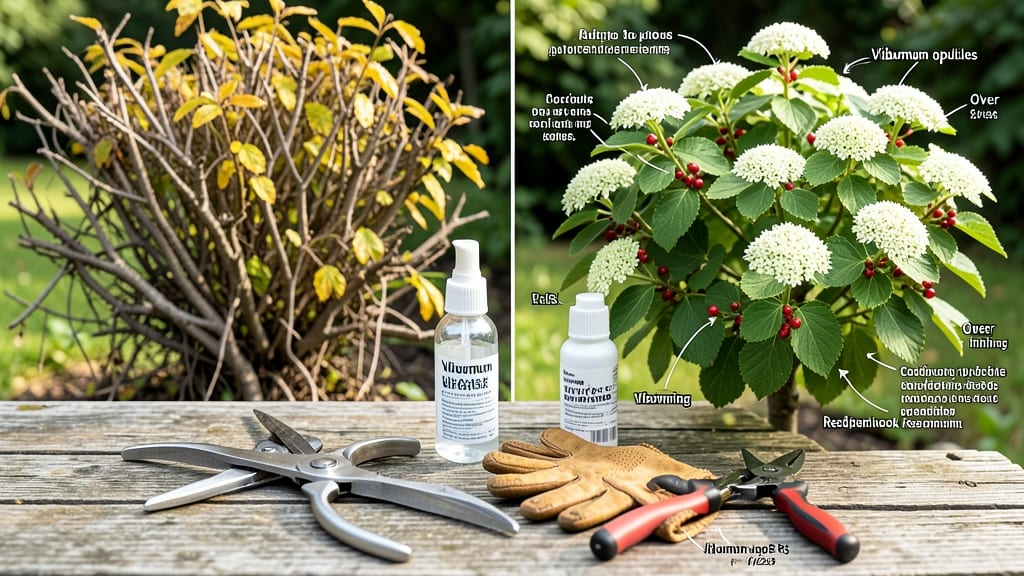
Pruning viburnum bushes wrong can turn your lush shrub into a sad, leggy mess. ✂️ I’ve seen healthy viburnums become overgrown tangles after just one bad pruning session—here’s how to avoid the three biggest mistakes that stunt growth and weaken your plant.
The worst offenders are cutting at the wrong time (late winter instead of early spring), hacking off too much (more than 25% of the plant at once), or making jagged cuts that expose the plant to disease.
Even small errors add up, leaving you with sparse blooms and weak stems that struggle to support new growth.
When done right, your viburnum will reward you with thicker foliage, more abundant flowers, and stronger branches that last for years. The key is patience—prune just enough to shape the plant without overstressing it, and always use sharp tools to make clean cuts just above a bud or branch collar.
If you’ve already over-pruned, don’t panic. With proper care—like avoiding heavy fertilizers and giving the plant time to recover—most viburnums bounce back stronger than ever. Here’s how to fix common mistakes and keep your shrub thriving.
📚 In This Guide
- What you need
- Instructions
- Tips and common mistakes
- Wrapping up and next steps
What you need
- ● Bypass pruners – Sharp, clean bypass pruners (for cuts up to ½ inch thick). Required for precision!
- ● Loppers – Heavy-duty bypass loppers (for branches ¾ inch to 2 inches thick). Look for ergonomic handles.
- ● Pruning saw – A curved-tooth pruning saw (for branches over 2 inches thick). Avoid rust—sterilize with rubbing alcohol!
- ● Gloves – Garden gloves (cut-resistant, like those with Kevlar or leather palms). Thorns are no joke!
- ● Disinfectant – 70% isopropyl alcohol or a pruning sealant (like Tanglefoot Tree Wound Pruning Sealer). Prevents disease spread!
- ● Marking twine or flags – Colored twine or plant tags (to mark branches to remove). Helps avoid over-pruning.
- ● Bucket or bag – A 5-gallon bucket or heavy-duty trash bag (for collecting pruned branches). Keep your workspace tidy!
- ● Extension pole – A 3- to 6-foot telescoping pole with pruners/loppers attached. For tall viburnums—saves your back!
- ● Handheld leaf blower – Clears debris from under the bush. Bonus: Keeps pests away!
- ● Pruning shears for fine trimming – Concave-cut shears (for shaping smaller branches). Promotes faster healing.
- ● Safety glasses – Protects your eyes from flying debris. Better safe than sorry!
How to avoid viburnum pruning mistakes for healthy growth
Pruning viburnums wrong can turn your shrub into a leggy, sparse mess. Here’s how to avoid the three biggest mistakes.
✂️ Step 1: Never Prune at the Wrong Time
Timing is everything with viburnums. Prune right after flowering—never in late summer or fall. This is when the plant directs energy into next year’s blooms instead of new growth. If you cut back too late, you’ll end up with bare stems and no flowers the following spring.
I always wait until 2-3 weeks after blooms fade—that’s when the shrub has finished its flowering cycle but still has plenty of stored energy for recovery. You’ll notice old flower clusters turning brown and dropping; that’s your cue. Avoid pruning in cold snaps or heatwaves, as stress from temperature swings makes recovery harder.
✂️ Step 2: Avoid Over-Thinning or Top-Heavy Cuts
Many gardeners make the mistake of pruning viburnums like a hedge, cutting back too much in the center. This creates a "bald" middle with dense growth only at the edges. Instead, focus on opening the center by removing only the oldest, thickest stems at the base—never more than 25% of the plant’s total volume in one season.
Look for stems that are thicker than your thumb or have lost their vigor. These are the ones to remove. You’ll know you’ve done it right when sunlight reaches the center—new growth will fill in naturally over time. Real talk: If you see a viburnum with a "donut hole" of bare branches, it’s already too late for that season.
✂️ Step 3: Don’t Use Shears Like a Haircutter
Randomly snipping branches everywhere weakens the plant and invites disease. Instead, make clean cuts at a 45-degree angle, just above a bud or lateral branch. This encourages outward growth rather than stubby, weak regrowth. Use sharp, bypass pruners—not dull shears that tear the bark.
I always cut back to an outward-facing bud to guide new growth away from the center. Avoid leaving stubs longer than 1/8 inch, as these rot and attract pests. If you’re unsure which bud to target, imagine where you want the branch to grow next—then cut just above that point. You’ll see the difference in just a few weeks.
🌿 Step 4: Skip the Heavy Pruning for Young Shrubs
Newly planted viburnums need patience. Pruning too aggressively in their first few years stunts root development and delays flowering. Instead, focus on removing only dead, damaged, or crossing branches—never more than 10% of the plant’s height in the first year.
Young viburnums establish roots slowly, so every cut competes with their ability to anchor. Wait until the shrub is 3-4 years old before doing any major shaping. You’ll know it’s ready when you see strong, upright stems with multiple buds along the branches. This is when you can start light structural pruning.
Tips & tricks for viburnum pruning success
Here's what nobody tells you about keeping your viburnum thriving after the initial cuts.
Timing is Everything: The 2-3 weeks after flowering isn't just a suggestion—it's when your viburnum has finished its energy output for blooms and is ready to redirect growth. I learned this the hard way after seeing a neighbor's beautiful spring flowers disappear completely the next year. Watch for those browned flower clusters to drop completely before you touch your shears.
The 25% Rule: Never remove more than 25% of your viburnum's total volume in one season, no matter how tempting those overgrown branches look. This isn't a hedge—it's a layered shrub that needs its structure. Think of it like haircuts: You wouldn't shave your head bald in one session, would you? The same principle applies to your viburnum's health.
Cutting Technique Matters: That 45-degree angle isn't just for show—it prevents water from pooling on the cut, which would lead to rot. And here's a pro move: When you make your clean cut just above an outward-facing bud, you're essentially telling the plant where to grow next. It's like giving your viburnum a roadmap for future growth. I always test my angle by holding the pruners at 45 degrees against a piece of paper first.
Patience with Young Shrubs: The first three years are all about observation, not pruning. Your young viburnum needs every bit of energy going into root development. I've seen gardeners cut back 30% in the first year only to watch their plant struggle to recover. Remember, you're shaping a plant that could live for decades—rush it, and you'll regret it.
Pro Tips for Viburnum Pruning Mistakes
- Here's what nobody tells you about keeping your viburnum thriving after the initial cuts.
- Timing is Everything: The 2-3 weeks after flowering isn't just a suggestion—it's when your viburnum has finished its energy output for blooms and is ready to redirect growth.
- The 25% Rule: Never remove more than 25% of your viburnum's total volume in one season, no matter how tempting those overgrown branches look.
Frequently asked questions
Got questions about viburnum pruning? You’re not alone! Here are some of the most common concerns—and quick fixes—to keep your shrubs thriving.
When is the best time to prune viburnum?
The ideal window is late winter or early spring (just before new growth starts). For flowering varieties like Viburnum bodnantense, prune right after blooming—never in fall, as this can encourage weak growth before winter. If you missed the timing, a light trim in summer is better than none at all!
What happens if I prune too much at once?
Over-pruning stresses viburnums, leading to stunted growth, fewer flowers, or even dieback. Aim to remove no more than 1/3 of the plant’s total volume in a single session. Think of it like a haircut—too much leaves your viburnum looking (and feeling) sad!
Can I prune viburnum in summer?
Yes, but only for shaping or removing dead wood. Avoid heavy pruning in summer, as it can trigger sucker growth (those pesky, weak shoots at the base). If you must prune, do it after flowering and keep cuts minimal to avoid shocking the plant.
Why does my viburnum have bare stems after pruning?
Bare stems often mean over-pruning or cutting too low. Viburnums need buds near the base to regenerate. Always leave 2–3 healthy buds above your cut, and avoid "heading back" (cutting into old wood). If you’ve already overdone it, don’t panic—new growth will emerge from the roots!
Are there viburnum varieties that don’t need much pruning?
Viburnum dentatum (arrowwood) and Viburnum trilobum (highbush cranberry) are low-maintenance and tolerate minimal pruning. Focus on removing dead wood and crossing branches—no heavy shaping required. These varieties reward patience with vibrant berries and minimal fuss.
Wrapping up and next steps
Pruning your viburnum correctly is the key to a thriving, lush plant—but avoiding these common mistakes will save you time and frustration. Remember, timing, technique, and tool choice make all the difference, so don’t hesitate to revisit the steps if needed.
Now that you’re armed with the right knowledge, grab those shears and give your viburnum the care it deserves! 🌿✨
Next Steps:
- 📅 Mark your calendar for next year’s pruning season.
- 📸 Snap before/after photos to track your viburnum’s progress.
- 🌱 Experiment with shaping—get creative while keeping the rules in mind!