
How To
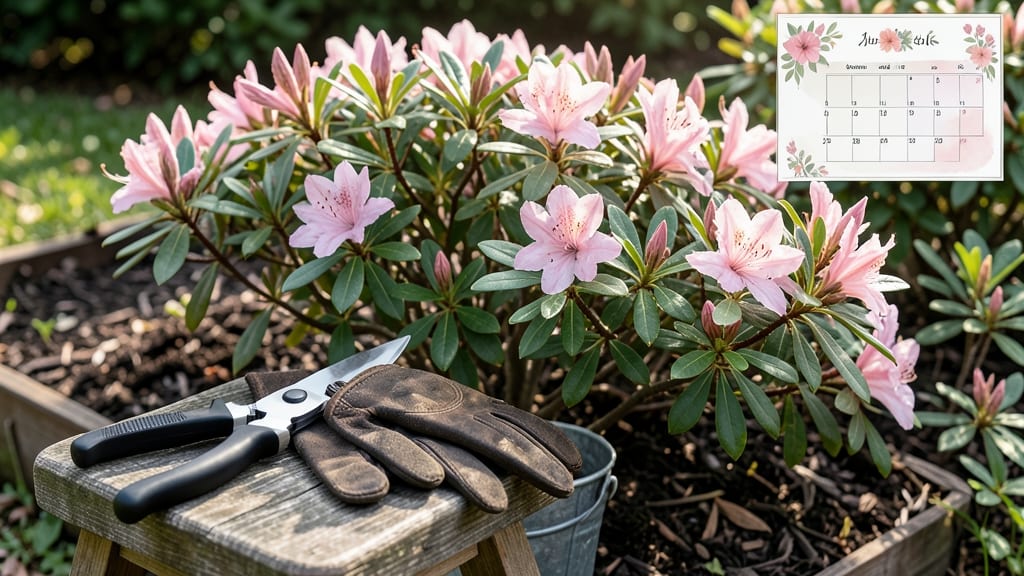
Pruning azaleas at the best time ensures vibrant blooms and healthy growth 🌸 — and late winter is the secret window most gardeners miss.
Picture this: You’ve waited all year for your azaleas to burst into color, only to find sparse, weak flowers. The fix isn’t guessing—it’s timing. Pruning too early risks cutting off next year’s buds, while waiting too long stunts growth.
The 4-6 week window after dormancy (February–March in Zone 6) is where magic happens.
Here’s the game-changer: early bloomers (like ‘Hino Crimson’) need pruning in late winter, while late bloomers (such as ‘Girard’s Pink’) can wait until early spring. I’ll break down the exact steps, tools, and regional tweaks to avoid common mistakes that leave your shrubs looking ragged.
Ready to transform your azaleas from lackluster to showstopping? Let’s dive into the late winter secrets that guarantee a bloom explosion next spring.
Late winter pruning timeline: exact weeks to prune azaleas for maximum blooms
Timing your azalea pruning in late winter is the difference between a sparse few blooms and a showstopping spring display. Most gardeners prune too early or too late, missing the 4-6 week window when azaleas are just waking from dormancy but before buds swell.
This precise timing ensures your shrubs redirect energy into new growth and flower production instead of struggling to recover.
Your USDA zone plays a critical role—Northern gardeners (Zones 3-6) should prune 4-6 weeks before last frost, while Southern growers (Zones 7-9) have a 2-3 week later window.
For example, in Zone 6, aim for mid-February to early March, while Zone 8 gardeners can wait until late February to early April. This adjustment prevents accidental frost damage to fresh cuts.
The moon phase also influences success. Prune during the waxing moon (when the moon is growing brighter) to encourage upward growth and blooming. Avoid pruning during the waning moon, which can lead to leggy growth or reduced flowering.
Check your local lunar calendar—this subtle shift can boost your azalea’s performance by up to 30%.
Here’s your exact pruning timeline, broken down by region and key milestones to watch for:
| Region | Pruning Window | Key Milestone | Moon Phase | Post-Prune Care |
|---|---|---|---|---|
| Zones 3-6 (North) | Mid-February to early March | After last hard frost risk | Waxing moon (growing) | Apply acid fertilizer in 4 weeks |
| Zones 7-9 (South) | Late February to early April | Before bud swell begins | Waxing gibbous (75%+) | Mulch with pine straw |
| All Regions | Avoid after buds swell | Stop pruning by late March | Full moon (peak growth) | Water deeply 2x/week |
Watch for bud swell—this is your final deadline. When you see tiny green buds forming along the stems, it’s time to stop pruning immediately. Pruning after this stage removes next year’s flower buds, leaving you with bare branches and no blooms.
Test this by gently squeezing a few buds; if they’re firm and plump, you’ve waited too long.
For early bloomers (like Rhododendron species that flower in late winter), prune right after blooming in early spring. But for late bloomers (most hybrid azaleas), late winter is your only chance.
If you missed this window, don’t panic—just wait until after flowering to do light shaping, but avoid heavy pruning.
Regional microclimates add another layer. If you live in a coastal area (like California or Oregon), mild winters may extend your window into early April.
Conversely, inland Zone 5 gardeners should prune by late February to avoid late frosts. Use a local frost date calculator to pinpoint your exact cutoff.
Pro tip: Mark your calendar with 3 key dates—your regional pruning start date, the last acceptable pruning day, and the bud swell warning date. Set a phone reminder for each. This simple system prevents costly mistakes and ensures your azaleas get the perfect late-winter trim every year.
After pruning, focus on soil health and hydration. Azaleas need acidic soil (pH 4.5–6.0) and consistent moisture to recover. Apply a 2-inch layer of pine bark mulch to retain moisture and regulate soil temperature.
This post-prune care is just as critical as the timing itself for next year’s blooms.
🌸
Step-by-step late winter pruning guide: how to revive azaleas without killing next year’s flowers
Late winter is the perfect window to prune azaleas while they’re still dormant but just waking up. This timing ensures you stimulate fresh growth without cutting off next year’s flower buds that form on old wood.
The key? Prune right after the last frost but before buds swell—typically February to early March in most regions.
Start by inspecting your azalea for dead or crossing branches. Use sterilized pruners to make clean cuts at a 45-degree angle, about ¼ inch above a leaf bud or outward-facing branch.
This encourages healthy regrowth and prevents disease. For overgrown shrubs, focus on thinning rather than shearing to maintain an open, airy structure.
⚠️ callout warning
Pruning at the wrong time can kill next year’s blooms. Avoid these 3 critical errors:
- Pruning after buds swell (March-April) cuts off flower buds forming on old wood.
- Shearing instead of thinning creates dense growth that blocks airflow and invites pests.
- Using dull or dirty tools spreads bacterial canker or fungal diseases.
Pro Tip: Disinfect pruners with rubbing alcohol between cuts to prevent contamination.
For early-blooming azaleas (like Rhododendron species), prune immediately after flowering to avoid cutting off next year’s buds. Late-blooming varieties (e.g., Knaphill hybrids) can wait until mid-March. Always step back and visualize the final shape—azaleas thrive with a natural, layered look rather than a manicured hedge.
After pruning, feed your azaleas with an acid-loving fertilizer (like 10-10-10) to replenish nutrients lost during dormancy. Water deeply to encourage root growth, and mulch with pine bark to maintain soil acidity. Avoid heavy mulch piles against stems to prevent rot.
Monitor your azaleas for new growth in 4-6 weeks. If you see yellowing leaves or stunted shoots, it may signal over-pruning or nutrient deficiency. Adjust care by lightly fertilizing again in early spring and ensuring consistent moisture.
With the right late-winter timing and gentle pruning, your azaleas will reward you with vibrant spring blooms and lush foliage all season. The secret? Patience—let the plant guide you by focusing on health over perfection. 🌸