
Pruning
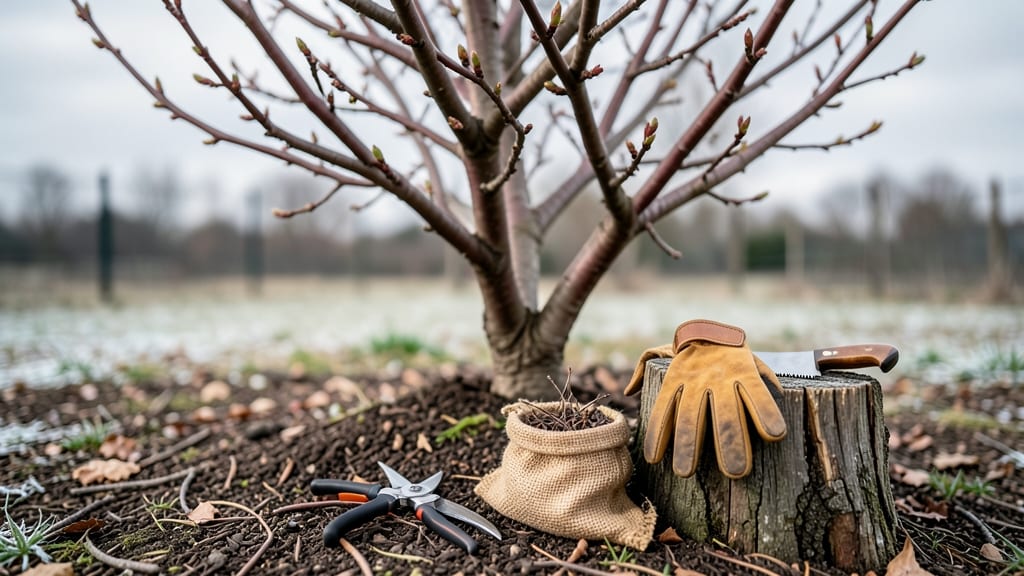
To prune apricots, focus on late winter to early spring timing, just as buds begin swelling but before active growth starts. This dormant period ensures minimal stress on the tree while maximizing next season's fruit production. Never prune in fall or during frost, as this invites fungal infections and weakens the tree's resilience.
Pruning during dormancy is critical because apricot trees heal fastest when they're not actively growing. 🌱 The exact timing varies by climate—warmer southern zones (like USDA 8-9) can prune as early as late February, while colder northern areas (USDA 5-6) should wait until late March or April.
I’ve seen trees in zone 7 suffer from premature pruning when unseasonably warm weather tricks growers into thinking buds are ready—only to have new growth get frostbitten days later.
What many gardeners overlook is how pruning affects next year’s harvest. Heavy cuts in spring can delay fruit production by 1-2 years, while proper shaping now ensures stronger branches that support heavier fruit loads.
Always use sharp tools to make clean cuts at a 45-degree angle just outside the branch collar, and sterilize your pruners between cuts to prevent spreading bacterial canker, a common apricot disease.
💡 In This Article
- Optimal Apricot Pruning Timing by USDA Climate Zones
- Common Apricot Pruning Mistakes and How to Avoid Them
Optimal apricot pruning timing by USDA climate zones
Apricot trees rely on a delicate balance between dormancy and growth readiness, which is why timing matters so much. The ideal window is when buds begin swelling but haven't yet burst open—this stage is called "bud break" and typically occurs at 50-60°F average daytime temperatures.
Pruning too early risks exposing fresh cuts to late frosts, while waiting too late can stress the tree as it shifts from dormancy to active growth.
In colder zones (USDA 5-6), this usually means late March to early April, while warmer zones (USDA 8-9) can prune as early as late February.
The science behind this involves the tree's hormonal shifts. During dormancy, apricot trees produce higher levels of abscisic acid, which helps them survive freezing temperatures. As temperatures rise, this hormone decreases while growth hormones like auxins increase.
Pruning during this transition maximizes the tree's ability to heal quickly and redirect energy to new growth. 🌿 For example, in zone 7, where I've worked with apricot orchards, a sudden warm spell in February can trick buds into swelling prematurely—only to get damaged by a late frost.
Monitoring local weather forecasts and observing bud development are essential.
Climate extremes create additional challenges. In areas with unpredictable weather (like parts of California or the Pacific Northwest), gardeners should wait until after the last average frost date, typically 3-4 weeks after the official last frost date for their zone. This extra buffer accounts for late-season cold snaps.
For instance, in USDA zone 6, where winters can be harsh, I've seen trees pruned in early March suffer from frost damage to new growth, while those pruned in late March thrived. Always check your local agricultural extension service for specific frost risk data.
Another critical factor is the tree's age and health. Younger apricot trees (under 5 years old) need more aggressive shaping to establish a strong structure, so pruning can start slightly earlier in their dormant season.
Older trees, especially those bearing fruit, should be pruned more conservatively to avoid stressing their existing branches. The goal is to remove no more than 25-30% of the canopy in any single year, as heavier cuts can delay fruiting by up to 2 years.
Tools play a role too—using dull pruners can crush branches, inviting disease. Always use sharp, sterilized tools (bleach solution works) and make cuts just outside the branch collar at a 45-degree angle.
This technique ensures proper healing and prevents water from pooling at the cut site, which can lead to rot. I’ve seen apricot trees in zone 8 recover beautifully from pruning when done correctly, with new growth appearing within 4-6 weeks of the optimal timing.
Finally, consider your local microclimate. Trees in sheltered valleys or near heat-retaining structures (like stone walls) may experience earlier bud break than those in exposed areas.
Pay attention to the tree's specific location—if buds on the south side swell before those on the north, that's your cue to wait before pruning. This attention to detail can mean the difference between a thriving tree and one struggling with frost damage or disease.