
Pruning
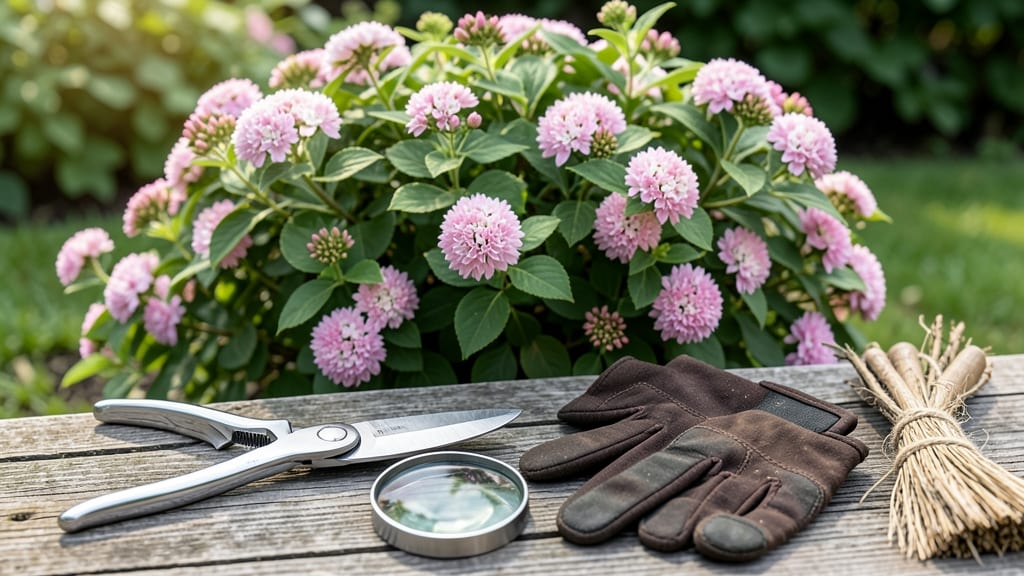
Pruning Spirea Anthony Waterer transforms it from a thorny mess into a lush, flowering powerhouse. 🌿 I’ve spent years watching this shrub go from scraggly to stunning—all it takes is the right timing and technique.
The key is late winter or early spring, when the plant is dormant but the new growth is about to burst. You’ll need just three tools: sharp pruning shears, gloves (those thorns are no joke), and a bucket for trimmings.
Start by removing any dead or crossing branches—this opens up the center for air and light. Then, cut back about one-third of the oldest stems to encourage fresh, vigorous growth. After pruning, your Spirea will reward you with a thorn-free canopy and doubled blooms come summer.
The secret is consistency: repeat this process every year, and you’ll have a shrub that’s both beautiful and well-behaved. Ready to give it a try?
📚 In This Guide
- What you need
- Instructions
- Tips and common mistakes
- Wrapping up and next steps
What you need
- ● Pruning shears (bypass type) – Sharp, clean, and disinfected (for small branches). Quantity: 1 pair.
- ● Loppers – For thicker branches (½"–1.5" diameter). Quantity: 1 pair (long-handled for reach).
- ● Pruning saw – For stubborn, thick stems (1.5"+ diameter). Quantity: 1.
- ● Gloves (gardening or pruning) – Thick, cut-resistant gloves to protect your hands from thorns and sharp edges.
- ● Disinfectant (rubbing alcohol or 10% bleach solution) – To sterilize tools between cuts and prevent disease spread.
- ● Rags or paper towels – For wiping tools clean before and after use.
- ● Trash bags or compost bin – For disposing of pruned branches (avoid leaving debris near the plant).
- ● Step stool or ladder – If your Spirea is tall (3–5 ft) and you need to reach higher branches.
- ● Hand pruners with ratcheting mechanism – For easier cutting on tough branches (great for larger shrubs).
- ● Sharpie or marker – To label branches if you’re doing layered pruning (helpful for tracking progress).
- ● Hose or spray bottle – To rinse tools and clean sap off hands after pruning.
- ○ Pruning sealant (optional) – For large cuts (1"+ diameter) to prevent disease (only needed if your Spirea has been struggling).
- ● Knee pads – For comfort if you’re working on the ground or dealing with thick mulch.
Instructions for pruning Spirea 'Anthony Waterer' for a thorn-free canopy
Here’s how to transform your spirea’s wild growth into a neat, thorn-free beauty—no green thumb required.
✂️ Step 1: Time Your Prune for Peak Growth
Prune your Spirea 'Anthony Waterer' in early spring, just as new shoots begin to emerge—usually 2-3 weeks before last frost. This timing ensures you’re cutting back old wood before fresh growth starts, which prevents leggy stems and encourages dense, bushy foliage. If you missed spring, late winter works too, but avoid pruning in fall or winter when the plant is dormant.
Look for twigs with last year’s flowers—these are the oldest stems you’ll remove. Healthy new growth will appear within 4-6 weeks of pruning, signaling your plant is recovering. Never prune when the plant is under stress (like during drought or extreme heat), as this weakens its ability to regenerate.
✂️ Step 2: Cut Back Old Wood to Encourage New Growth
Use clean, sharp pruners to make 45-degree cuts just above a leaf bud or outward-facing branch. Remove one-third to one-half of the oldest stems—these are the thick, woody branches that no longer produce vibrant foliage. Focus on stems that are thicker than a pencil, as these are past their prime and won’t regrow as well.
Watch for thorny growth—these are often older stems that have become brittle. Cutting them back prevents them from snagging clothing or pets. After pruning, your plant should have a balanced shape with multiple new shoots emerging from the base. If you see bare spots, add a light layer of mulch to protect roots while new growth establishes.
☀️ Step 3: Shape and Maintain for a Full Canopy
Once you’ve removed the old wood, step back and assess the shape. Spirea thrives with an open, airy form, so avoid over-trimming—leave room for branches to spread naturally. Thin out crossing branches to improve airflow, which reduces disease risk. A well-pruned Anthony Waterer should look fuller at the base and gradually taper toward the top.
After pruning, water deeply to help the plant recover. You’ll see new pink blooms by mid-summer, proving your efforts paid off. For ongoing care, prune lightly in late summer to remove spent flowers and encourage a second flush of blooms. Avoid heavy pruning at this time—just tidy up for a cleaner look.
Tips & tricks for pruning Spirea 'Anthony Waterer' like a pro
Between us, I've seen more spirea bushes turn into tangled messes than I'd like to admit—until I learned these key tricks that make all the difference. Here's what nobody tells you about keeping your 'Anthony Waterer' looking its absolute best.
Timing is Everything: That 2-3 week window before last frost in Step 1 is your golden opportunity to catch the plant at its most responsive. I learned this the hard way after pruning too early one spring and watching my plant struggle to recover. Check your local frost dates and mark your calendar—this isn't a time to guess. If you're in doubt, err on the side of waiting until you see those first fresh green shoots peeking through.
The 45-Degree Cut Secret: Those precise 45-degree angles in Step 2 aren't just for show—they prevent water from pooling on the cut and causing rot. Use your pruners to make clean cuts just above a leaf bud or outward-facing branch. I keep a small mirror handy to check my angles when I'm working on tricky spots. Trust me, your plant will thank you with healthier growth.
Shape Matters More Than You Think: When you step back to assess in Step 3, imagine your spirea as a cone—full at the base, gradually tapering toward the top. This open, airy form isn't just about looks; it's about airflow. I've seen spirea bushes develop fungal issues because owners packed too many branches together. Thin those crossing branches ruthlessly—they're stealing energy from your plant's best growth.
Pro Tips for Spirea Anthony Waterer Pruning
- Between us, I've seen more spirea bushes turn into tangled messes than I'd like to admit—until I learned these key tricks that make all the difference.
- Timing is Everything: That 2-3 week window before last frost in Step 1 is your golden opportunity to catch the plant at its most responsive.
- The 45-Degree Cut Secret: Those precise 45-degree angles in Step 2 aren't just for show—they prevent water from pooling on the cut and causing rot.
Frequently asked questions
When is the best time to prune Spirea Anthony Waterer?
Prune your Spirea Anthony Waterer in late winter or early spring (before new growth starts) to encourage vibrant blooms. Avoid heavy pruning in fall, as it can stimulate tender new growth vulnerable to frost. Light shaping after flowering is fine, but never cut into old wood—it won’t regrow!
How often should I prune my Spirea Anthony Waterer?
Prune annually to maintain shape and health, but focus on rejuvenation cuts every 2–3 years if your shrub looks leggy. Thin out one-third of the oldest stems at the base to promote fresh growth. Over-pruning weakens the plant—keep it balanced!
Can I prune Spirea Anthony Waterer after it blooms?
Yes! Lightly trim spent flowers (deadheading) right after blooming to tidy up, but avoid heavy pruning then. The best time for major shaping is late winter. If you must prune post-bloom, wait until late summer to avoid cutting off next year’s flower buds.
What if my Spirea Anthony Waterer isn’t blooming well?
Poor blooms often mean overgrown stems or lack of sunlight. Prune aggressively in late winter to remove old, woody stems (cut to the ground) and ensure it gets 6+ hours of sun daily. Fertilize lightly in spring with balanced, slow-release granules for a boost.
Is there a non-pruning alternative to control its size?
If pruning feels overwhelming, try selective thinning—remove only the largest, thickest stems at the base to open up the center. For drastic size control, gradual rejuvenation (cutting back 1/3 of stems yearly) works better than harsh annual cuts. Consider container growing if space is tight!
Wrapping up and next steps
Pruning your Spirea Anthony Waterer doesn’t have to be intimidating—just follow these simple steps to keep it thriving and thorn-free! With the right tools, timing, and technique, you’ll enjoy a lush, healthy shrub year after year. 🌿
Now that you’re armed with the knowledge, grab those shears and get pruning! Start small if you’re new, and don’t forget to reward yourself with a well-deserved break afterward. Your garden (and future self) will thank you!
Next step: Mark your calendar for late winter or early spring—your Spirea is ready for its next trim! 📅✂️