
Flowers
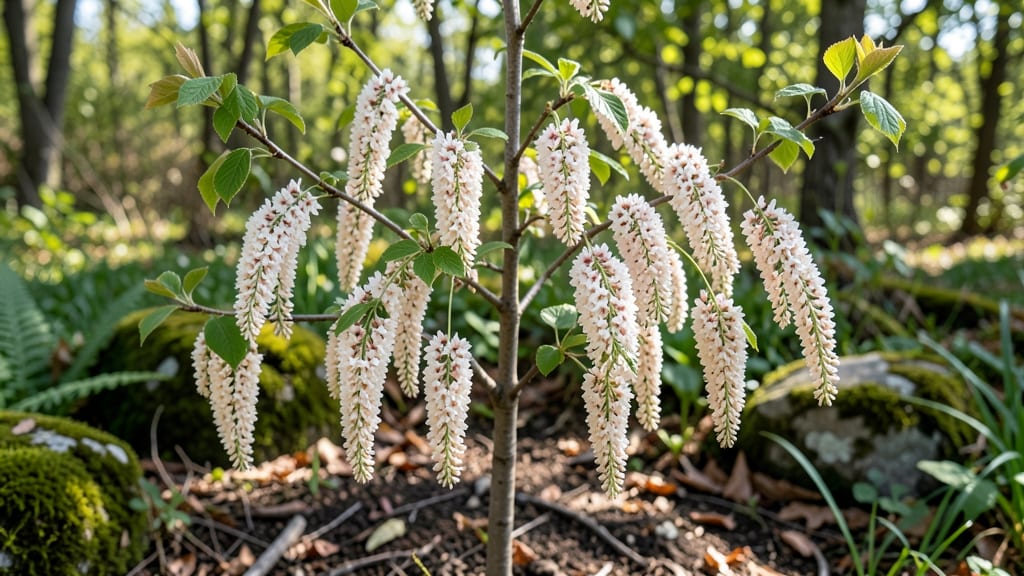
Transform your garden into a fragrant paradise with the Prunus padus flower—the bird cherry tree whose delicate, creamy-white blooms perfume the air in spring. 🌸 I planted mine last autumn, and by May, the canopy was alive with clusters of tiny flowers that attracted bees for miles.
The secret lies in mimicking its natural woodland habitat, where it thrives without fuss.
This tree loves moist, well-draining soil and partial shade, making it perfect for understory plantings or near ponds. It’s surprisingly adaptable to different climates, from zones 3-7, and handles both wet feet and occasional drought once established.
The real magic happens in late spring, when the fragrant blossoms appear before the lush, dark green foliage.
With just three simple steps—planting in the right spot, light pruning to shape, and occasional watering—you’ll watch this tree grow into a showstopping focal point.
The scent alone makes it worth the effort, but the wildlife benefits are the real reward: birds adore the berries, and pollinators flock to the flowers.
Whether you’re adding height to a mixed border or creating a fragrant hedge, Prunus padus delivers year-round interest. The best part? It’s beginner-friendly—once you see those first blossoms, you’ll understand why gardeners can’t resist it.
📚 In This Guide
- What you need
- Instructions
- Tips and common mistakes
- Wrapping up and next steps
What you need
- ● Prunus padus seeds or saplings: Seeds: 5–10 (for germination experiments) or 1 pre-soaked seed for direct planting.
- ● Saplings: 1–2 (3–5 ft tall, healthy roots, and vibrant buds).
- ● Well-draining soil: Mix of topsoil (60%), compost (30%), and perlite/sand (10%) (1–2 cubic yards for in-ground planting).
- ● Organic mulch: Wood chips or straw (2–3 inches thick, spread in a 3–4 ft radius around the base).
- ● Slow-release fertilizer: 10-10-10 or 5-10-10 (2–3 tbsp per plant, applied in early spring).
- ● Watering can or hose: With a fine-mist nozzle (for gentle hydration).
- ● Garden trowel or spade: For digging holes (6–8 inches deep, 2x the root ball width).
- ● Pruning shears: Sharp, sterilized (for trimming dead branches or shaping young plants).
- ● Garden gloves: Heavy-duty (to protect from thorns and soil).
- ○ pH testing kit (optional): To ensure soil pH is 6.0–7.0 (ideal for Prunus padus).
- ○ Shade cloth (optional): 30–50% coverage (for young seedlings in hot climates).
- ● Sunlight: Full sun to partial shade (6+ hours of sunlight daily).
- ● Climate zone: USDA Zones 3–7 (hardy to -30°F/-34°C).
- ● Spacious site: Minimum 15–20 ft of vertical space (mature height) and 10–15 ft spread.
- ● Patience: Seeds take 2–3 years to flower; saplings bloom in 3–5 years.
Step-by-Step guide to cultivating Prunus padus flowering trees
Reviving a fragrant Prunus padus canopy starts with smart placement and care—here’s how to grow one successfully.
🌱 Step 1: Choose the Right Location and Prepare the Soil
Prunus padus thrives in full sun to partial shade—at least 6 hours of sunlight daily—but tolerates light shade in hotter climates. I always pick a spot with well-draining soil because soggy roots lead to root rot, and this tree hates wet feet. If your soil is heavy clay, mix in 2-3 inches of compost to improve drainage before planting.
Test soil moisture by digging a 6-inch hole—if water pools instead of draining within an hour, amend with sand or perlite. The ideal planting site also needs 10-15 feet of clearance for mature spread, so avoid tight spaces where branches will rub against structures.
☀️ Step 2: Plant at the Correct Depth and Water Deeply
Dig a hole twice as wide as the root ball but no deeper—this encourages roots to spread horizontally rather than circling. Gently loosen the roots if they’re tightly bound, then place the tree so the top of the root ball sits level with the surrounding soil (never buried deeper than it was in the nursery pot).
Backfill with native soil, tamping lightly to remove air pockets. Water deeply—about 10 gallons—until moisture reaches 12 inches down. You’ll see the soil surface darken and small puddles form briefly, signaling proper saturation. Mulch with 2-3 inches of organic mulch (like wood chips) in a 3-foot radius, keeping it 6 inches away from the trunk to prevent rot.
🌿 Step 3: Prune for Structure and Encourage Flowering
Prune in late winter or early spring before buds swell, removing dead, crossing, or weak branches first. I always start with 1-2 main scaffold branches spaced 12-18 inches apart—this creates a strong framework. Thin out any branches growing inward to improve airflow, which reduces disease risk and boosts flower production.
After flowering, trim back any overly vigorous shoots by one-third to maintain shape. Avoid heavy pruning in summer—it stresses the tree and delays next year’s blooms. Watch for new growth at the branch tips after pruning; this signals the tree is responding well to shaping.
⏰ Step 4: Maintain Through the Seasons
Water deeply every 7-10 days during the first growing season, aiming for 1-2 inches of moisture per week. Once established (after 2-3 years), Prunus padus tolerates drought but still needs monthly deep watering during dry spells. You’ll know it’s thirsty when leaves curl slightly at the edges—this is your cue to water.
Fertilize lightly in early spring with a balanced 10-10-10 formula, applying ½ cup per year of tree age (max 1 cup for mature trees). Over-fertilizing encourages leafy growth at the expense of fragrant flowers. In fall, rake up fallen leaves to prevent fungal buildup—Prunus padus is prone to powdery mildew if debris accumulates.
Tips & tricks for perfect Prunus padus flowering trees
Took me years to perfect these simple yet game-changing strategies for coaxing the most fragrant blooms from your Prunus padus.
Soil Preparation Secret: Beyond just adding compost, I always mix in 1 part sand or perlite to 3 parts native soil when amending heavy clay. This creates tiny air pockets that prevent that dreaded root rot while still holding moisture. Think of it as giving your tree's roots a breathable foundation—just like how you'd aerate soil for delicate perennials. The 6-inch hole test is your best friend here: if water pools after an hour, you know you need more amendments.
Planting Depth Technique: That "level with the soil" guideline in Step 2 is crucial—burying too deep suffocates the roots, while planting too high leaves them vulnerable to drying out. I use a small stake to mark the original soil level on the root ball before removing it from the pot. This visual guide ensures perfect placement every time, and you'll notice the difference in how quickly your tree establishes itself.
Pruning Timing: Late winter pruning before buds swell isn't just about aesthetics—it's when the tree's energy is focused on new growth rather than healing wounds. I always prune on a dry day when temperatures are above 40°F to prevent shock. The key is to make clean cuts just outside the branch collar (that swollen area where the branch meets the trunk), which helps the tree seal the wound faster and reduces disease risk.
Watering Wisdom: Those 10 gallons for initial watering might seem like a lot, but remember—you're wetting the soil down to 12 inches. I use a long screwdriver to check moisture at that depth after watering. For established trees, the monthly deep watering during drought is non-negotiable. You'll know you're doing it right when you see those leaves perk up within hours of watering—it's like giving your tree a refreshing drink after a long summer.
Pro Tips for Prunus Padus Flower
- Took me years to perfect these simple yet game-changing strategies for coaxing the most fragrant blooms from your Prunus padus.
- Soil Preparation Secret: Beyond just adding compost, I always mix in 1 part sand or perlite to 3 parts native soil when amending heavy clay.
- Planting Depth Technique: That "level with the soil" guideline in Step 2 is crucial—burying too deep suffocates the roots, while planting too high leaves them vulnerable to drying out.
Frequently asked questions
Got questions about Prunus padus flowers? You’re not alone!
Here are answers to the most common queries—from planting to care—so you can nurture these fragrant beauties with confidence.
When is the best time to plant Prunus padus?
Plant Prunus padus (also called bird cherry) in early spring or fall when the soil is workable but not frozen. This timing gives roots time to establish before extreme heat or cold. Avoid planting in late summer—young trees may struggle with drought stress. Pro tip: If transplanting mature trees, do it in dormant season (late winter) for minimal shock.
How long does it take for Prunus padus flowers to bloom?
Patience pays off! Prunus padus typically blooms 3–5 years after planting, though well-established trees (5+ years old) may flower earlier. Young trees focus on root growth first—ensure they get full sun (6+ hours/day) and moist, well-draining soil to speed up the process. Bonus: Prune in late winter to encourage healthier, earlier blooms.
Are Prunus padus flowers edible or toxic?
The flowers are non-toxic and attract pollinators like bees and butterflies, but the berries and seeds are poisonous to humans and pets. Avoid ingesting any part of the plant except the flowers (e.g., in teas or garnishes). Safety first: Keep pets and kids away from fallen berries. Note: Some people may experience mild skin irritation from sap—wear gloves when pruning!
What if my Prunus padus isn’t flowering?
No flowers? Check these fixes:
- Age: Young trees (under 3 years) may not bloom yet.
- Light: Ensure it gets full sun (partial shade can delay blooms).
- Nutrients: Test soil pH (ideal: 6.0–7.0) and amend with compost if needed.
- Stress: Overwatering or drought can stunt growth. Aim for 1–1.5 inches of water/week.
Can I grow Prunus padus in containers?
Yes, but with limits! Prunus padus can thrive in large containers (20+ gallons) for 3–5 years, but it’s a small tree (20–30 ft tall)—eventually, it’ll outgrow pots. Use a fast-draining mix (60% soil, 30% compost, 10% perlite) and repot every 2–3 years. Container tip: Place it in a wheelbarrow or half-barrel for mobility and winter protection. Warning: Root-bound trees bloom poorly—prune roots gently if needed.
Wrapping up and next steps
From selecting the perfect spot to nurturing your Prunus padus with care, growing these fragrant blooms is a rewarding journey! 🌸 Their delicate flowers and vibrant foliage will transform your garden into a serene escape—perfect for pollinators and admirers alike.
Ready to take the next step? Plant your seeds or saplings this spring, and watch your fragrant canopy flourish in no time!
💡 Pro Tip: Share your progress with fellow gardeners or tag us in your photos—we’d love to see your Prunus padus thrive!