
Trees
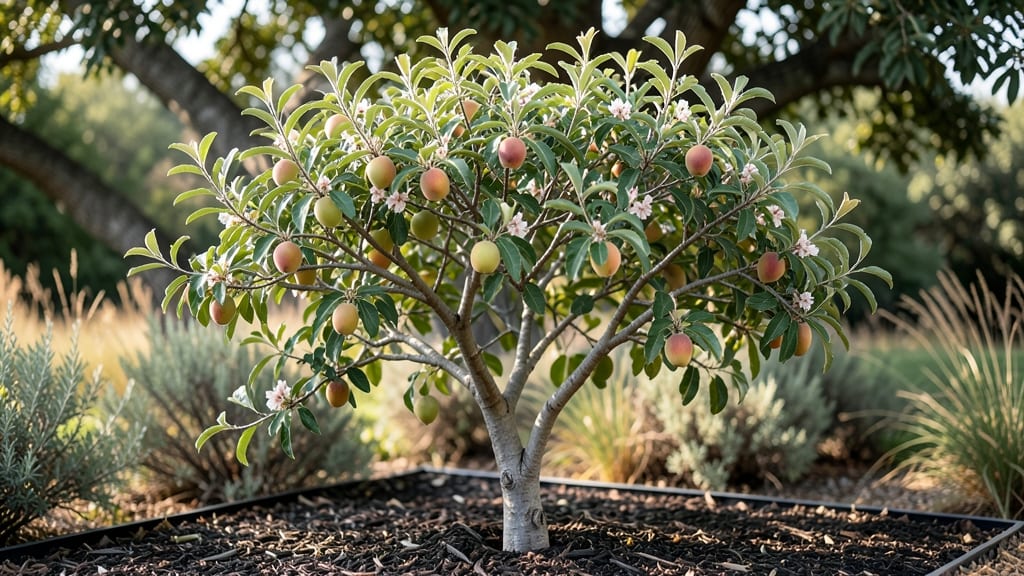
Growing Prunus persica var. nucipersica means sweet, velvety nectarines that outshine store-bought fruit. 🌿 I learned the hard way—my first tree struggled with poor soil and inconsistent watering, but once I nailed these basics, the harvest became legendary.
The key difference from peaches? Smooth skin and fewer fuzz hairs, plus a slightly earlier ripening time that extends your fresh fruit season.
Start with well-draining soil rich in organic matter—think compost mixed into the planting hole. These trees crave 6-8 hours of full sun daily and need consistent moisture, especially during their first two years.
Mulch around the base to retain moisture and regulate soil temperature, but keep it 3-4 inches away from the trunk to prevent rot.
Pruning in late winter before buds swell shapes the tree and improves airflow, reducing disease risk. Thin out crowded branches to let sunlight penetrate, and remove any suckers at the base.
With proper care, you'll see fruit in 3-4 years, and each harvest will be sweeter than the last—no fuzzy surprises here.
Watch for peach leaf curl and brown rot, common in humid climates, but proper spacing and sanitation keep these issues manageable. Nectarines are slightly less cold-hardy than peaches, so protect young trees in zones below 5 with winter wraps.
Patience pays off—once established, these trees produce bushels of fruit with minimal fuss.
📚 In This Guide
- What you need
- Instructions
- Tips and common mistakes
- Wrapping up and next steps
What you need
- ● Nectarine Tree (Prunus persica var. nucipersica): 1–2 bare-root or potted saplings (dwarf or standard variety, depending on space)
- ● Choose disease-resistant cultivars like ‘Summergrand’ or ‘Fantasia’ for reliability
- ● Planting Supplies: 1 high-quality well-draining soil mix (50% native soil + 50% compost or potting mix)
- ● 1 bag (40 lbs) of balanced fertilizer (10-10-10 or organic alternative like alfalfa meal)
- ● 1 roll of landscape fabric (for weed suppression, 3 ft x 50 ft)
- ● 1 bag of mulch (wood chips or straw, 2–3 cubic feet)
- ● Tools: 1 shovel (for digging)
- ● 1 pruning shears (sterilized, sharp)
- ● 1 garden hose with spray nozzle (for watering)
- ● 1 pH testing kit (to check soil acidity, ideal: 6.0–7.0)
- ● Location & Prerequisites: Full sun exposure (6+ hours daily)
- ● Space: 15–20 ft apart for standard trees; 8–10 ft for dwarfs
- ● Frost-free zone (USDA Hardiness Zones 5–9)
- ● 1 tree guard (to protect young trunks from pests)
- ● 1 drip irrigation system (for consistent watering)
- ● 1 fruit thinning shears (to encourage larger nectarines)
- ● 1 pollination-friendly plants (e.g., bees or nearby almond trees if self-pollination is weak)
- ● 1 fruit bag (to protect nectarines from birds/insects)
Step-by-step guide to planting and establishing your nectarine tree
Here's how to give your Prunus persica var nucipersica the perfect start for bountiful harvests.
🌱 Step 1: Choose the Right Planting Site and Timing
Nectarine trees thrive in full sun—select a location with at least 6-8 hours of direct sunlight daily. The tree needs well-draining soil with a pH between 6.0 and 7.5. Avoid low spots where water pools, as nectarines hate soggy roots. I always test my soil first—amending with compost if needed to improve drainage and fertility.
Plant your tree in late winter or early spring, just as buds begin to swell but before new growth starts. This gives roots time to establish before summer heat arrives. If you're in a colder climate, wait until after the last frost date—cold snaps can damage tender new shoots. Dig your planting hole twice as wide as the root ball but no deeper, allowing roots to spread naturally without restriction.
🪴 Step 2: Prepare the Hole and Position the Tree
Loosen the soil at the bottom of the hole with a shovel or garden fork to encourage root growth into surrounding soil. Mix the native soil with 2-3 inches of compost or well-rotted manure to enrich the planting area. Avoid using fresh manure—it can burn young roots and stunt growth.
Position the tree so the graft union (the swollen area near the base) sits 2-3 inches above soil level. This prevents the union from being buried, which can lead to suckers sprouting below it. Place the root ball in the hole and backfill with the amended soil, tamping gently as you go to eliminate air pockets. Water deeply to settle the soil and eliminate gaps around the roots.
☀️ Step 3: Mulch and Water for Initial Establishment
Spread 3-4 inches of organic mulch (like wood chips or straw) around the base of the tree, keeping it 6 inches away from the trunk to prevent rot. Mulch conserves moisture, regulates soil temperature, and suppresses weeds—critical for young trees still developing roots. I always avoid inorganic mulches like rocks, which don’t break down and can disrupt soil structure over time.
Water the tree deeply once a week during the first growing season, providing 1-2 gallons per week depending on rainfall. The goal is to encourage deep root growth, not shallow, frequent watering. You'll know you're doing it right when the soil 4-6 inches down stays consistently moist but not waterlogged. A soil probe or your finger can tell you if moisture is right—it should feel damp but not soggy.
✂️ Step 4: Prune for Structure and Health
Prune your nectarine tree in late winter or early spring, just before buds swell, to shape the tree and remove dead or crossing branches. Start by removing any branches that rub against each other—they’ll create wounds where disease can enter. I also cut out branches growing inward or downward, as they compete with upward-growing branches for energy and light.
Open the center of the tree to improve airflow and sunlight penetration, which reduces humidity and fungal risks. Make cuts just outside the branch collar (the swollen area where the branch meets the trunk) at a 45-degree angle. Sterilize your pruners with rubbing alcohol between cuts to prevent spreading disease. After pruning, apply a thin layer of wound dressing to larger cuts to protect them from pests and pathogens.
🌿 Step 5: Monitor and Support Growth Through the First Year
Fertilize your nectarine tree in early spring with a balanced, slow-release fertilizer (like 10-10-10) applied according to package instructions. Avoid heavy nitrogen fertilizers—they promote leafy growth at the expense of fruit production. You’ll see new growth within 4-6 weeks, signaling the tree is establishing well.
Watch for signs of stress, like yellowing leaves or wilting, which can indicate overwatering, underwatering, or nutrient deficiencies. Nectarine trees are susceptible to peach leaf curl, so spray with a copper-based fungicide in late fall or early spring as a preventative measure. Stake young trees if needed to support their structure, but remove stakes once the tree is strong enough to stand on its own—usually within 1-2 years.
Tips & tricks for planting and establishing your nectarine tree
Real talk: The first year is where you set your nectarine tree up for success—or failure. These are the tricks I’ve learned from watching my own trees thrive (and a few that took me years to figure out the hard way).
Sunlight and Soil Secrets: While 6-8 hours of sunlight is the minimum, I’ve found that nectarines actually perform best with 8+ hours of direct sun—especially in hotter climates. For soil testing, I use a simple DIY kit from the garden center ($10) to check pH before planting. If your soil tests below 6.0, add pelletized lime (follow package rates) 2-3 months before planting to raise the pH gradually. The difference in root development is noticeable within weeks.
Graft Union Placement Matters: That 2-3 inch elevation above soil level isn’t just a suggestion—it’s critical. I’ve seen trees where the graft union was buried, and within two years, they were covered in aggressive suckers from below the graft. Use a level to ensure proper positioning, and consider creating a small berm around the base to prevent soil from piling up against the trunk during watering.
Watering Wisdom: The "deeply once a week" guideline works for average conditions, but I’ve learned to adjust based on weather. In summer heat, I water twice weekly with 1-2 gallons each time, and always in the morning to prevent fungal issues. The soil probe test is your best friend—if it’s dry at 4-6 inches after your weekly watering, increase frequency slightly until roots establish deeper.
Pruning Pro Tips: When pruning in Step 4, I make it a point to remove any branches that are thinner than a pencil—these are energy drains. Also, look for "watersprouts" (those fast-growing vertical shoots) and cut them back immediately. These shoots steal nutrients from fruit production. Sterilizing your tools between cuts isn’t just about disease prevention—it’s about keeping your tree healthy for the long haul.
Pro Tips for Prunus Persica Var Nucipersica
- Real talk: The first year is where you set your nectarine tree up for success—or failure. These are the tricks I’ve l...
- Sunlight and Soil Secrets: While 6-8 hours of sunlight is the minimum, I’ve found that nectarines actually perform be...
- Graft Union Placement Matters: That 2-3 inch elevation above soil level isn’t just a suggestion—it’s critical. I’ve s...
Frequently asked questions
Got questions about growing Prunus persica var. nucipersica? You’re not alone!
Here are the most common queries—plus straightforward answers—to help you cultivate the perfect nectarine tree.
What’s the difference between nectarines and peaches?
Prunus persica var. nucipersica (nectarines) are smooth-skinned peaches—no fuzz! While both share the same genus, nectarines lack the peach’s characteristic fuzzy coating. They’re often sweeter with a firmer texture, making them ideal for fresh eating or canning.
How long does it take for a nectarine tree to bear fruit?
Patience is key! Dwarf varieties may produce fruit in 2–3 years, while standard trees take 4–6 years. Proper care—like regular watering, pruning, and sunlight—speeds up the process. Pro tip: Choose grafted trees for faster results!
Can I grow nectarines in cold climates?
Nectarines thrive in USDA Zones 5–9, but cold-hardy varieties (like ‘Redhaven’ or ‘Fantasia’) tolerate brief dips below freezing. Protect young trees with mulch or frost cloth in winter. Avoid soggy soil—it invites root rot!
What should I do if my nectarine tree isn’t flowering?
Lack of flowers? Check these fixes:
- Age: Young trees (under 3 years) focus on growth.
- Sunlight: Ensure 6+ hours of direct sun daily.
- Nutrients: Test soil pH (ideal: 6.0–7.0) and fertilize with citrus-specific blend in early spring.
- Pruning: Over-trimming can stress the tree. Aim for 20–30% annual pruning.
Still no luck? Pro tip: Hand-pollinate with a soft brush if bees are scarce!
Are there nectarine alternatives for small spaces?
Yes! Try these space-saving options:
Variety
Mature Size
Fruit Time
‘Sanguin’
8–10 ft tall
Mid-season
‘Summergrand’
6–8 ft tall
Late-season
Dwarf grafted nectarines
4–6 ft tall
2–3 years
Container growing? Use a 15+ gallon pot with drainage holes and well-draining soil.
Wrapping up and next steps
Growing Prunus persica var nucipersica—the nectarine tree—is a rewarding journey that blends patience with sweet success! 🌱 Whether you’re drawn to their smooth-skinned fruit, vibrant blooms, or low-maintenance care, this blueprint gives you everything you need to cultivate a thriving tree.
With the right soil, sunlight, and a dash of love, you’ll soon be harvesting juicy, sun-ripened nectarines straight from your backyard.
Ready to take the next step? Start by selecting your preferred variety and preparing your planting site—then watch your nectarine tree grow into a lush, fruiting centerpiece! 🍑✨