
Trees
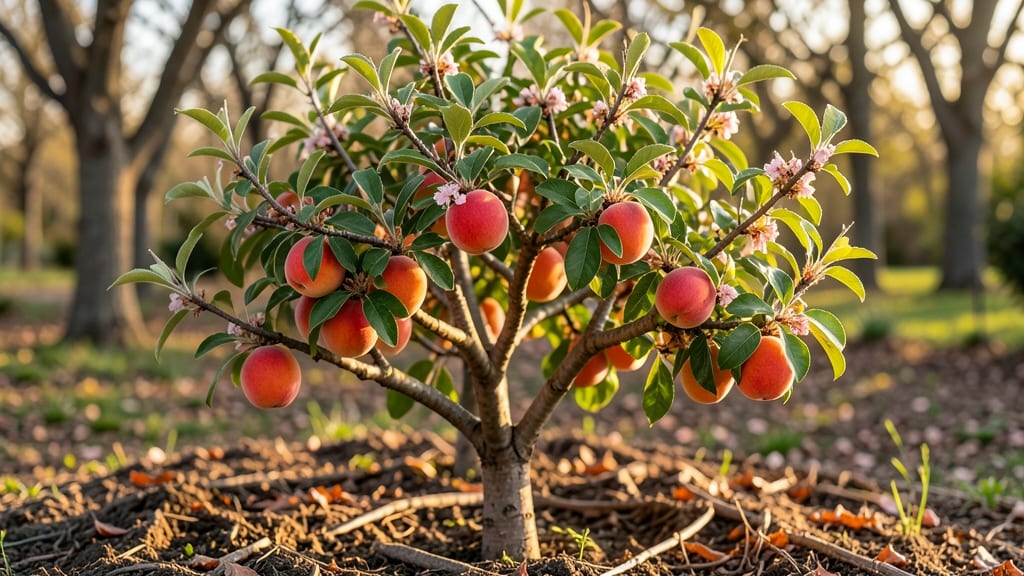
Growing a Prunus persica 'Bonfire' peach tree means juicy, freestone fruit with fewer thorns than traditional varieties—just don’t skip the right spot. 🌳 I planted mine last spring in full sun, and by summer, the branches were heavy with vibrant orange fruit that practically fell into my hands.
The key isn’t just the tree; it’s the conditions that turn good into spectacular.
The 'Bonfire' thrives where other peaches struggle: partial shade, rocky soil, or cool nights. It needs well-draining soil (amend with compost if yours is clay-heavy) and 6-8 hours of sunlight daily. Water deeply once a week once established, but avoid soggy roots—this variety hates wet feet.
The minimal thorns make harvesting a breeze, but don’t let that fool you into neglecting pruning in late winter.
By mid-summer, you’ll be rewarded with sweet, aromatic fruit that’s perfect for fresh eating or canning. The tree’s compact size (20-25 feet) makes it ideal for small yards or containers, and it produces reliably if you handle pests early—Japanese beetles love these peaches, so watch for them.
With the right care, you’ll have fruit for years, not just one spectacular season.
Pro tip: Thin fruit early to avoid small, underdeveloped peaches. I learned this the hard way—my first harvest was a mess of tiny, seedy peaches because I didn’t prune the clusters.
Now, I aim for 6-8 inches between fruits and watch the quality skyrocket. Worth the effort for that first bite of summer sunshine.
📚 In This Guide
- What you need
- Instructions
- Tips and common mistakes
- Wrapping up and next steps
What you need
- ● Prunus persica 'Bonfire' peach tree: 1 bare-root or potted sapling (2–3 years old, ideally from a nursery specializing in fruit trees).
- ● Check for healthy roots (white/firm) and minimal thorns—a hallmark of the 'Bonfire' variety!
- ● Well-draining soil: 6.0–7.0 pH (test with a soil kit or send a sample to a local extension office).
- ● Amend with compost (5–10 lbs per planting hole) if soil is clay-heavy or sandy.
- ● Sunlight: Full sun (6+ hours daily) in a sheltered spot (protect from strong winds).
- ● Watering supplies: Drip irrigation system or garden hose with a gentle spray nozzle.
- ● Mulch (2–3 inches of wood chips or straw) to retain moisture.
- ● Fertilizer: Balanced, slow-release fertilizer (10-10-10 or 8-3-9) applied spring and early summer.
- ○ Optional: Citrus/peach-specific fertilizer (follow package rates).
- ● Planting tools: Shovel or trowel (for digging).
- ● Gloves (to protect hands from thorns or soil).
- ● Pruning tools: Bypass pruners (for clean cuts).
- ● Loppers (for thicker branches).
- ● Disinfectant (rubbing alcohol or bleach solution) to sterilize tools between cuts.
- ● Pest/disease prevention: Neem oil or horticultural oil (for aphids/mites).
- ● Copper fungicide (if peach leaf curl is common in your area).
- ○ Optional (but helpful): Tree stake (if planting in windy areas).
- ● Fruit tree spray (to deter birds/squirrels from stealing peaches!).
- ● Soil moisture meter (to monitor watering needs).
Step-by-step instructions for planting and caring for Prunus persica 'Bonfire'
Here's how to get your 'Bonfire' peach tree thriving with juicy fruit and fewer thorns than traditional varieties.
🌱 Step 1: Choose the Right Planting Site and Time
The 'Bonfire' peach tree needs full sun exposure—at least 6-8 hours daily—and well-draining soil with a pH between 6.0 and 7.0. I always plant mine in late winter or early spring, just as the tree begins to bud but before new growth starts. This gives roots time to establish before summer heat arrives.
Dig a hole twice as wide as the root ball but no deeper. The top of the root ball should sit 1-2 inches above ground level—this prevents water from pooling around the trunk. If your soil is heavy clay, mix in 2-3 inches of compost into the bottom of the hole to improve drainage. Avoid planting in low spots where water collects.
🪴 Step 2: Plant and Stake for Stability
Gently remove the tree from its container and loosen any circling roots with your fingers—this encourages outward growth. Place the tree in the hole so the graft union (the bulge near the base) is 2-3 inches above soil level. This prevents future suckers from sprouting below the graft.
Backfill with native soil, tamping lightly as you go to remove air pockets. Water deeply to settle the soil, then add a 2-inch layer of mulch (wood chips or straw) around the base, keeping it 6 inches away from the trunk. Install a stake if needed—peach trees can get top-heavy—and loosely tie the trunk with soft tree ties. Don’t bury the trunk deeper than it was in the nursery pot.
☀️ Step 3: Water and Fertilize for Strong Growth
Water the tree deeply 2-3 times per week for the first month, then taper to once a week once established. You’ll know it’s getting enough water when the top 6 inches of soil feel dry to the touch. Overwatering is the biggest mistake—peach trees hate soggy roots. Use a drip irrigation system if possible to deliver water slowly at the base.
Apply a balanced, slow-release fertilizer (like 10-10-10) in early spring and again after harvest. Follow package instructions for amounts—too much nitrogen leads to leafy growth at the expense of fruit. In late summer, switch to a low-nitrogen, high-phosphorus fertilizer to encourage root development before winter.
✂️ Step 4: Prune for Shape and Fruit Production
Prune your 'Bonfire' in late winter (before buds swell) to remove dead, crossing, or inward-growing branches. Aim for an open-center shape—this improves airflow and sunlight penetration, which reduces disease risk. Cut just outside the branch collar (the swollen area where the branch meets the trunk) to prevent tears.
Thin out 10-20% of the branches each year to maintain vigor. The 'Bonfire' variety has fewer thorns than traditional peaches, but you’ll still want to remove any suckers growing below the graft union. Wear gloves—those remaining thorns are sharp! After pruning, apply a wound dressing (like pruning sealant) to large cuts to prevent disease entry.
🍑 Step 5: Protect and Harvest for Maximum Yield
Peach trees need cross-pollination—plant a second variety like 'Redhaven' or 'Elberta' nearby for better fruit set. Cover young trees with frost cloth in spring if late frosts threaten, as blossoms are sensitive to cold. Watch for peach tree borers—wrap the trunk with tree band traps in early summer to catch them before they damage the bark.
Harvest 'Bonfire' peaches when they easily slip from the tree with slight pressure and have a deep red blush. They ripen late July to early August, depending on your climate. Pick on a dry morning to avoid spreading disease. Store at 35-40°F for up to 2 weeks—these peaches are too delicate for room-temperature storage.
Tips & tricks for perfect Prunus persica 'Bonfire' peach tree care
These practical insights will help you avoid common pitfalls and maximize your 'Bonfire' peach tree's potential.
Sunlight Strategy: While the instructions mention 6-8 hours of sun, I've found that placing your tree where it gets morning sun and afternoon shade in extremely hot climates can prevent leaf scorch while still delivering enough light for fruit production. If you notice leaves turning yellow or crispy at the edges, it's a sign your tree is getting too much intense afternoon sun.
Soil Test Tip: Before planting, test your soil's pH using a simple test kit from your local garden center. If your soil is outside the 6.0-7.0 range, you can adjust it with lime (to raise pH) or sulfur (to lower pH). I once planted in soil that tested at 5.5 and my tree struggled for years before I finally corrected it—don't make my mistake! The 2-3 inches of compost mentioned for clay soil also works wonders for sandy soil to improve moisture retention.
Watering Wisdom: The instructions mention checking the top 6 inches of soil, but I've learned to go one step further. Use a soil moisture meter to check deeper—about 12 inches down. This helps you understand if your water is penetrating deeply enough to encourage strong root growth. In my experience, many gardeners only water the surface, which leads to shallow roots that can't support heavy fruit loads.
Fertilizer Timing: While the instructions specify early spring and after harvest, I've found that adding a light application of fertilizer (about half the recommended amount) in early summer can give your tree a mid-season boost without overloading it with nitrogen. This is particularly helpful in the first two years when your tree is establishing its root system. Just be careful not to fertilize after mid-summer as this can encourage new growth that won't harden off before winter.
Pro Tips for Prunus Persica Bonfire
- These practical insights will help you avoid common pitfalls and maximize your 'Bonfire' peach tree's potential.
- If you notice leaves turning yellow or crispy at the edges, it's a sign your tree is getting too much intense afternoon sun.
- Soil Test Tip: Before planting, test your soil's pH using a simple test kit from your local garden center.
Frequently asked questions
Got questions about growing the Prunus persica 'Bonfire' peach tree? You’re not alone! Here are some of the most common queries—and their answers—to help you cultivate this low-thorn, high-reward variety with confidence.
Why does the 'Bonfire' peach tree have so few thorns?
The 'Bonfire' peach tree is bred for easier harvesting and less injury to fruit and hands. While it retains some thorns, they’re significantly fewer than traditional varieties, making it a favorite for home gardens and small farms. This trait also reduces pest entry points, promoting healthier fruit.
How long does it take for a 'Bonfire' peach tree to bear fruit?
Patience pays off! With proper care, 'Bonfire' peach trees typically start producing fruit 2–3 years after planting. Dwarf varieties may bear slightly sooner (1–2 years), while standard trees take the full 3 years. Early blooms in spring signal the first harvest—usually by midsummer.
Can I grow 'Bonfire' peaches in containers or small spaces?
The 'Bonfire' variety is well-suited for container growing thanks to its compact size (especially dwarf cultivars). Use a 5-gallon pot minimum with drainage holes, and ensure it gets 6–8 hours of sunlight daily. Just be ready to move it indoors or to a sheltered spot if frost threatens.
What should I do if my 'Bonfire' peach tree isn’t pollinating?
Peaches are self-pollinating but benefit from cross-pollination. If you notice poor fruit set, plant a second peach tree nearby (even a different variety) to attract more bees. Avoid pesticides during bloom, and hand-pollinate by gently shaking branches on calm days to spread pollen.
How cold-hardy is the 'Bonfire' peach tree?
The 'Bonfire' peach tree tolerates USDA Zones 5–9, with some cold-hardy cultivars surviving brief dips to 10°F. Protect young trees with mulch or frost cloth in early spring. Late frosts can damage blossoms, so monitor forecasts and cover trees if frost is predicted during bloom.
Why are my 'Bonfire' peaches cracking?
Peach cracking (split pits) usually happens due to inconsistent watering or heavy rain after dry spells. To prevent it:
- Water deeply but infrequently (1–2 inches per week).
- Mulch around the base to retain moisture.
- Avoid overhead irrigation during fruit development.
Wrapping up and next steps
The Prunus persica 'Bonfire' peach tree is a standout choice for gardeners seeking bold, juicy fruit with minimal fuss—its fiery-orange peaches are a summer highlight, and its low-thorn branches make harvesting a breeze.
Whether you're a novice gardener or a seasoned grower, this variety delivers rewarding results with surprisingly little effort, especially when you follow the right care tips.
Ready to transform your garden? Start by gathering your supplies and reviewing key tips—then plant your 'Bonfire' tree and enjoy the sweet payoff! 🌱🍑