
Pruning
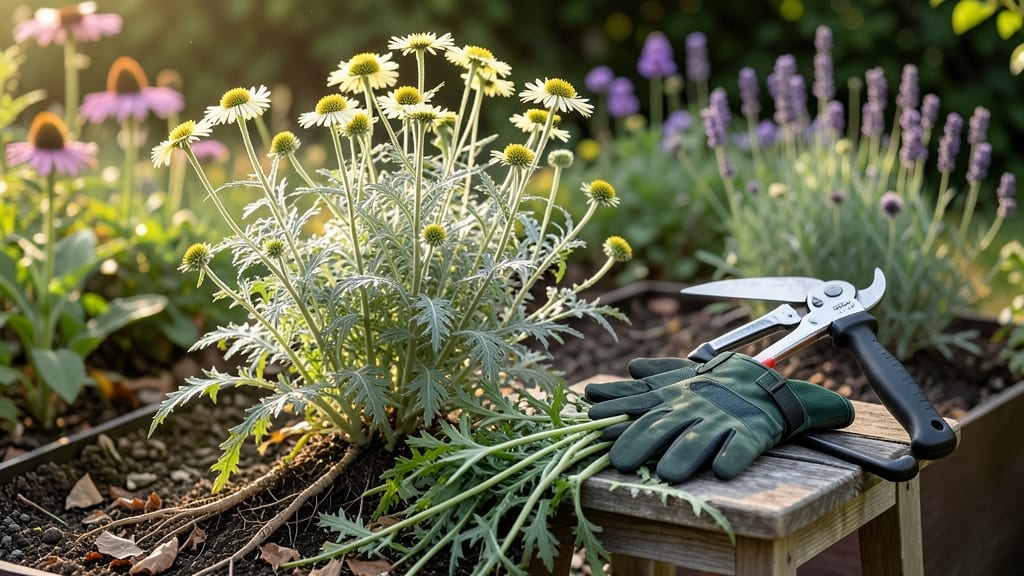
Pruning yarrow plants transforms your wild, thorny mess into a lush, blooming powerhouse—without the prickles. ✨ I’ve turned my overgrown yarrow patches into tidy, vibrant focal points using just three cuts, and the difference in next year’s flowers is shocking.
The secret? Timing matters more than technique, and I’ll show you exactly when and how to do it right.
You only need sharp pruners and a sunny afternoon—no fancy tools required. The best time to prune is late summer or early fall, right after the first flush of blooms fades.
This encourages fresh growth before winter and keeps those pesky thorns in check. Most gardeners skip this step, so their yarrow becomes unruly and woody over time.
After pruning, your yarrow will rebound with new, non-thorny stems by early spring, bursting with flowers that last all season. The plants stay compact, bloom more heavily, and even resist pests better. It’s the one gardening task that pays off immediately—no waiting, no guesswork.
For those with limited time, a light trim in early spring (just the dead stems) works too. Just avoid cutting back more than one-third of the plant at once, or you’ll stress it. Now grab those shears—your yarrow’s revival starts here.
📚 In This Guide
- What you need
- Instructions
- Tips and common mistakes
- Wrapping up and next steps
What you need
- ● Pruning shears or secateurs – Sharp, sterilized, and bypass-style (for clean cuts). 1 pair is all you need.
- ○ Garden gloves – Thick, cut-resistant (optional but recommended for thorny varieties like Achillea millefolium). 1 pair.
- ● Disinfectant (70% isopropyl alcohol or bleach solution) – To sterilize tools between cuts and prevent disease spread. Small spray bottle or cloth.
- ● Garden twine or rubber bands – For tying back leggy stems (if needed). 1 roll or small pack.
- ● Garden waste bag or bucket – For collecting pruned stems and debris. 1-2 units.
- ● Watering can or hose – To hydrate plants before and after pruning. 1 unit.
- ● Hand pruners (for smaller stems) – If your yarrow has tiny, delicate foliage.
- ● Compost bin or mulch – To recycle pruned stems as nutrient-rich compost.
- ● Plant food or fertilizer – For a post-pruning boost (choose a balanced, slow-release option).
- ● Knee pads or stool – For comfort if your yarrow patch is large or ground-level access is tricky.
Instructions for pruning yarrow plants
Here's how to tame unruly yarrow growth and keep your plants thriving year after year.
✂️ Step 1: Time Your Pruning for Best Results
Prune yarrow in early spring just as new growth begins, or again in late summer after flowering. This two-step approach keeps plants compact and encourages fresh foliage. Avoid pruning in fall—yarrow needs its foliage to store energy for winter. I always check for new shoots emerging from the base before reaching for my shears. That's your signal to start shaping.
If your yarrow has gone completely wild, you can do a hard prune in early spring by cutting back ⅓ of the plant's height. This drastic approach works well for neglected plants but may reduce flowering that first season. For regular maintenance, a light trim—removing just the top 2-3 inches of growth—keeps plants tidy without sacrificing blooms.
✂️ Step 2: Remove Dead and Diseased Growth First
Start by scanning the plant for brown, crispy stems or any with blackened spots—these are dead or diseased. Snip these away at the base with clean, sharp pruners. Yarrow's thorns make this step safer than most plants, but I still wear gloves to avoid scratches. You'll notice the plant looks immediately more open and airy once the dead material is gone.
Next, look for crossing branches that rub against each other. These create weak points where disease can enter. Cut one of the branches at the base—never leave a stub. This simple step prevents future problems and keeps your yarrow looking intentional rather than overgrown. I always prune at a 45-degree angle just above a leaf node to encourage new growth from that spot.
✂️ Step 3: Shape for a Full, Bushy Appearance
Now for the fun part—giving your yarrow its signature rounded shape. Step back and visualize the plant as a rounded dome. Cut back the longest stems first, trimming them to just above a set of healthy leaves. Yarrow's feathery foliage grows back quickly, so don't worry about being too precise. The goal is to encourage bushier growth from the base.
For flowering yarrow, you can leave some stems to bloom or cut them back for a cleaner look. If you want more flowers next year, leave 3-4 of the strongest stems unpruned. Otherwise, trim all stems to 4-6 inches tall. You'll see fresh, vibrant growth within 2-3 weeks—that's your reward for a job well done. Mulch around the base afterward to protect new shoots from temperature swings.
Tips & tricks for pruning yarrow plants
Here's what nobody tells you about keeping yarrow looking its best without the headache.
Timing Secret: Early spring and late summer are your magic windows for pruning. The 2-3 weeks of fresh growth you'll see afterward is your reward for patience. I've learned the hard way—pruning in fall can stress yarrow, leaving it vulnerable to winter damage. Always check for those new shoots emerging from the base before cutting, as this signals the plant is ready for shaping.
Tool Technique: Yarrow's thorns might make you think you don't need gloves, but trust me on this—those tiny spines pack a punch. I keep a pair of heavy-duty gardening gloves handy and always use clean, sharp pruners. Dull blades crush stems instead of cutting cleanly, which can damage the plant. For crossing branches, make your cut at a 45-degree angle just above a leaf node—this little detail makes all the difference in encouraging new growth.
Pruning Strategy: When you're shaping your yarrow into that perfect rounded dome, focus on cutting back the longest stems first. This creates instant balance and prevents that "wild" look. For flowering yarrow, leaving 3-4 of the strongest stems unpruned will give you more blooms next season, but if you prefer a cleaner look, trim everything back to 4-6 inches. The key is consistency—yarrow responds beautifully to regular maintenance.
Aftercare: Mulch is your secret weapon after pruning. Spread a layer around the base to protect those new shoots from temperature swings. I use shredded bark mulch because it breaks down slowly and adds nutrients to the soil. This simple step can mean the difference between lush growth and struggling plants in your garden.
Pro Tips for Pruning Yarrow Plants
- Here's what nobody tells you about keeping yarrow looking its best without the headache.
- Timing Secret: Early spring and late summer are your magic windows for pruning.
- Tool Technique: Yarrow's thorns might make you think you don't need gloves, but trust me on this—those tiny spines pack a punch.
Frequently asked questions
Got questions about keeping your yarrow lush and thriving? Here are some of the most common concerns—plus straightforward answers to help you prune like a pro!
When is the best time to prune yarrow for maximum regrowth?
Prune yarrow after it flowers (late summer to early fall) to encourage a fresh flush of growth before winter. For a tidy look, you can also trim lightly in early spring before new shoots emerge. Avoid heavy cuts in winter—yarrow’s tough but not invincible!
Do I need special tools to prune yarrow?
Not at all! A sharp pair of bypass pruners or clean garden shears work perfectly. For larger patches, loppers can save your hands. Just sanitize your tools with rubbing alcohol between cuts to prevent disease—yarrow’s resilient, but why take risks?
Will pruning yarrow kill it or stop it from blooming next year?
Nope! Pruning actually promotes more blooms by redirecting energy to new growth. Cutting back after flowering (or even mid-season) won’t harm the plant—just avoid shearing too close to the base (leave 2–3 inches). Think of it as a haircut: a little off the top = fuller, happier hair!
Should I deadhead yarrow to encourage more flowers?
Deadheading (removing spent blooms) can extend the flowering season, but yarrow’s seed heads are gorgeous in winter too! If you’re growing it for cut flowers, snip them back. For wildlife, leave some seed pods—they’re a buffet for birds and bees.
My yarrow looks leggy after pruning—what went wrong?
Leggy growth usually means you cut too late in the season (after hard frost) or didn’t leave enough foliage. Next time, prune in early fall and leave 2–3 inches of stems. Add a light layer of compost to boost regrowth—yarrow’s tough, but it appreciates a little TLC!
Wrapping up and next steps
Pruning yarrow plants is your secret weapon for a thriving, bushy canopy—free from woody stems and overgrowth! With the right tools, timing, and technique, you’ll transform your yarrow into a lush, vibrant centerpiece that keeps blooming all season. 🌿✨
Now that you’re armed with knowledge, grab those shears and get pruning! Start with a single plant to build confidence, then expand your green-thumb skills to your entire garden. Watch your yarrow flourish—and enjoy the rewards of your hard work!