
Pruning
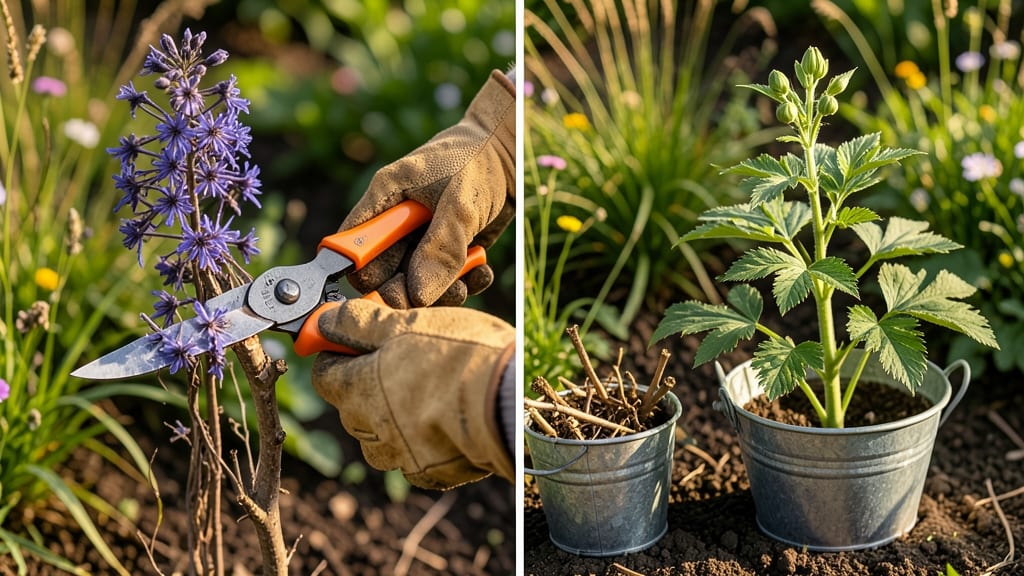
Pruning delphinium plants in early spring unlocks their full potential—tall, fragrant spikes that dominate the garden with jewel-toned blooms. I’ve watched my delphiniums go from scraggly winter survivors to showstopping summer stars after mastering this one technique. The key? Timing, sharp cuts, and knowing exactly where to stop.
You’ll need clean pruners, gloves, and a sunny day—no fancy tools required. Start by removing all dead or damaged stems at the base, then cut back last year’s growth by about one-third. The goal is to encourage fresh, sturdy stems that’ll support those iconic flower spikes without flopping.
Within weeks, you’ll see new growth shooting up like green arrows, and by midsummer, those towering stems will be heavy with blooms. The fragrance alone—sweet, honey-like—makes the effort worth it. Just avoid cutting into the woody base, where next year’s growth hides.
Works for both cultivar types and wild varieties. Once you’ve done it once, you’ll wonder why you waited so long. Here’s the exact method that transforms my garden every year.
📚 In This Guide
- What you need
- Instructions
- Tips and common mistakes
- Wrapping up and next steps
What you need
- ● Pruning shears or secateurs: Sharp, clean, and bypass-style (for clean cuts). Disinfect with rubbing alcohol before and after use to prevent disease spread. (1 pair)
- ● Garden gloves: Heavy-duty, cut-resistant gloves to protect your hands from thorns and debris. (1 pair)
- ○ Pruning saw (optional but helpful): For thicker stems (over ½ inch in diameter). (1, if needed)
- ● Garden twine or plant ties: To support stems after pruning if they’re leggy. (Small roll or pack)
- ● Disinfectant (rubbing alcohol or 10% bleach solution): To sterilize tools between cuts. (Small bottle or spray)
- ● Garden waste bag or bucket: For collecting pruned stems and debris. (1-2, depending on plant size)
- ● Sharp pencil or marker: To label stems if you’re doing selective pruning. (1)
- ● Hand pruners with ergonomic grips: For comfort during extended pruning sessions.
- ● Knee pads or a small stool: To reduce strain if your delphiniums are tall.
- ● Compost bin or mulch: To recycle pruned stems into nutrient-rich soil.
- ○ Plant food (balanced fertilizer): To give your delphiniums a post-pruning boost. (Optional but recommended for spring revival!)
Step-by-step guide to pruning delphinium plants
Revive your delphiniums with this straightforward pruning method that ensures stronger stems and even more dramatic blooms.
Time Your Pruning for Peak Growth
Prune delphiniums in early spring, just as new shoots emerge from the base. This is when the plant begins its active growth cycle, and cutting back old stems now encourages fresh, vigorous growth. Wait until you see 3-4 inches of new green growth—this is your signal that the plant is ready to be shaped. If you prune too early, you risk cutting back growth that hasn’t even started yet.
Delphiniums are hardy perennials, so they’ll bounce back quickly if pruned correctly. Avoid pruning in fall or winter, as the plant needs its old stems to protect the crown during dormancy. Early spring is the only ideal time to prune, as it aligns with the plant’s natural awakening from dormancy.
Remove Dead or Damaged Stems First
Start by inspecting your delphinium for any brown, mushy, or hollow stems—these are dead or diseased and should be removed immediately. Use clean, sharp pruners to cut these stems back to the base, making sure to avoid any healthy tissue. If you leave dead stems, they can harbor pests or diseases that will spread to the rest of the plant.
Next, look for stems that are weak, thin, or growing at odd angles. These won’t produce strong blooms and can compete with healthier stems for nutrients. Snip them off cleanly at the base. This step ensures your plant focuses its energy on the strongest, most upright stems that will support those towering, fragrant blooms.
Cut Back Old Flower Stems to Encourage New Growth
Now, focus on the old flower stems from last season. These will be tall, woody, and often bare at the bottom. Using your pruners, cut these stems back to about 6 inches above the ground. This may seem drastic, but delphiniums are resilient and will reward you with fresh, lush foliage and new blooms from the base.
Here’s the key: never cut into green tissue. Stop your pruners just above a leaf node (the bump where leaves or stems emerge). This ensures the plant has a strong starting point for new growth. If you cut too low, you risk damaging the crown, which could weaken or even kill the plant.
Thin Out Crowded Stems for Better Airflow
Delphiniums can become overcrowded, especially if they’ve been left unpruned for a few seasons. Now, assess the remaining stems and remove any that are too close together—aim for 3-5 strong stems per plant. This improves airflow, which reduces the risk of fungal diseases like powdery mildew, a common issue with delphiniums.
When thinning, prioritize upright, sturdy stems over weak or leggy ones. You want your delphinium to look like a tall, elegant spike, not a bushy mess. After thinning, step back and admire your plant—you’re shaping it to reach its full potential for those iconic, fragrant blooms.
Clean Up and Fertilize for a Strong Recovery
Once you’ve finished pruning, remove all debris from the area around your delphinium. This includes old stems, fallen leaves, and any plant waste. Pile it up and dispose of it in the trash or compost bin—never leave it on the ground, as it can harbor diseases or pests that will reinfect your plant.
After pruning, give your delphinium a balanced, slow-release fertilizer to support its recovery. Look for one with equal parts nitrogen, phosphorus, and potassium (like a 10-10-10 formula). Apply it according to the package instructions, usually every 4-6 weeks during the growing season. This will give your plant the nutrients it needs to produce strong, healthy stems and abundant blooms.
Tips & tricks for perfect delphinium pruning
Here's what nobody tells you about pruning delphiniums that makes all the difference between a plant that just survives and one that thrives.
Timing is Everything: Early spring is non-negotiable for pruning delphiniums, but here's the secret: don't just prune when it's spring—wait until you see those 3-4 inches of new green growth. I learned this the hard way after cutting back too early and stunting my plants. This timing ensures you're not removing growth that hasn't even started yet, while still giving your plant a fresh start for the season. The key is watching for that specific growth signal rather than following a calendar date.
The Leaf Node Rule: When cutting back those old flower stems to 6 inches above ground, stop right above a leaf node—never cut into green tissue. This might seem like a small detail, but it's actually the difference between a plant that bounces back quickly and one that struggles to recover. I once cut too low and nearly lost a prized plant. The leaf node contains dormant buds that will sprout new growth, so preserving it is crucial for your delphinium's revival.
Pruner Sharpness Matters: Using dull pruners can crush stems and create jagged cuts that invite disease. I always clean and sharpen my pruners before starting—this isn't just about making clean cuts, but also about preventing the spread of any potential pathogens from dead stems to healthy ones. A quick test: if your pruners struggle to cut through a pencil, they're too dull. For delphiniums, sharp tools mean faster healing and less stress on the plant.
Fertilizer Timing: After pruning, don't rush to fertilize immediately. Give your plant 2-3 weeks to recover first. I've made the mistake of fertilizing right after pruning, which can actually stress the plant further. Once that recovery period is over, use a balanced 10-10-10 fertilizer every 4-6 weeks during the growing season. This timing ensures your plant has the nutrients it needs without overwhelming it during its vulnerable recovery phase.
Pro Tips for Pruning Delphinium Plants
- Here's what nobody tells you about pruning delphiniums that makes all the difference between a plant that just survives and one that thrives.
- Timing is Everything: Early spring is non-negotiable for pruning delphiniums, but here's the secret: don't just prune when it's spring—wait until you see those 3-4 inches of new green growth.
- The Leaf Node Rule: When cutting back those old flower stems to 6 inches above ground, stop right above a leaf node—never cut into green tissue.
Frequently asked questions
Got questions about pruning your delphiniums? You’re not alone! Here are answers to the most common concerns—so you can keep those towering blooms thriving with confidence.
When is the best time to prune delphiniums?
Prune after the first flush of blooms in early summer (June–July) to encourage a second wave of flowers. Never prune in fall or winter—delphiniums are dormant then, and cutting back too early can harm next year’s growth. For perennials, wait until after frost to trim dead foliage.
How much should I cut back delphiniums?
For annuals, trim spent stems down to 6–12 inches tall. For perennials, cut back only the dead or faded flower stalks—leave the basal rosette (the low, leafy center) intact. Over-pruning can weaken the plant’s energy reserves for next season.
What if my delphiniums look leggy or floppy after pruning?
Leggy growth often means too much shade or over-fertilizing with nitrogen. After pruning, stake remaining stems with soft ties (like old pantyhose) to support them. Move plants to full sun (6+ hours/day) and switch to a balanced fertilizer (like 10-10-10) to encourage bushier, stronger growth.
Can I prune delphiniums in containers?
Yes! Container-grown delphiniums need even more pruning attention since space is limited. Trim spent blooms weekly to prevent overcrowding. After flowering, cut back by ⅓ to keep the plant compact. Pro tip: Use a well-draining mix (like 60% potting soil + 30% perlite + 10% compost) to avoid root rot.
Should I worry about pests after pruning?
Pruning opens plants to pests like aphids or slugs. Inspect stems and leaves post-prune, and treat early with neem oil (for aphids) or beer traps (for slugs). Avoid chemical sprays during bloom time to protect pollinators. Healthy, well-pruned delphiniums are less prone to infestations!
Wrapping up and next steps
Pruning your delphinium plants doesn’t have to be intimidating—it’s all about timing, technique, and a little patience. By following the right steps, you’ll encourage lush growth, vibrant blooms, and healthier plants that thrive for years.
Now that you’re equipped with the know-how, roll up your sleeves and give those towering beauties the care they deserve!
Ready to transform your garden? Grab your pruners, mark your calendar, and start pruning in early spring—your delphiniums will thank you with a stunning display of color and fragrance! 🌸