
Pruning
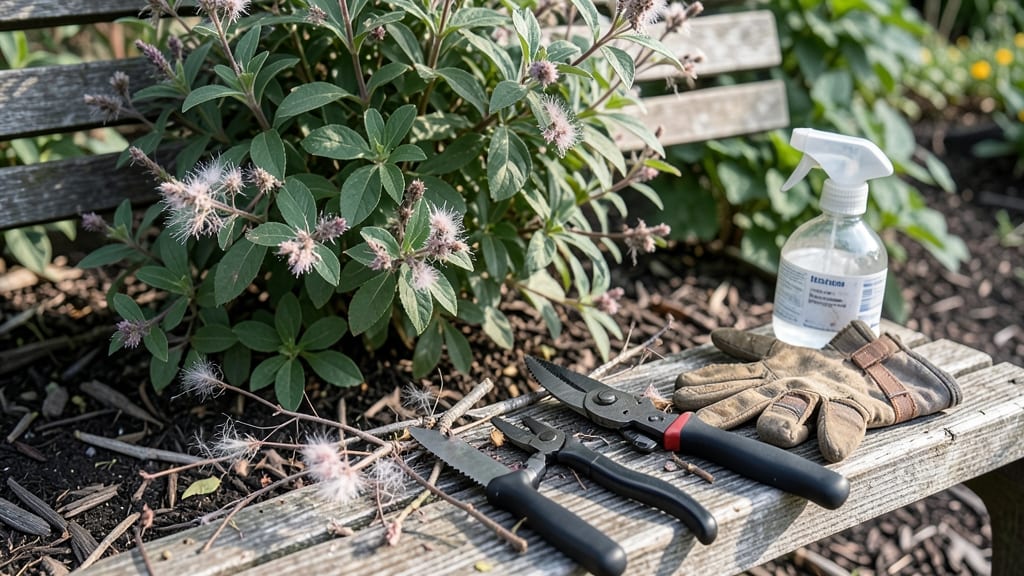
Pruning smoke bush shrubs in late winter reveals their true potential—thick, fragrant foliage and a canopy free of thorns. 🌿 I’ve transformed tangled, woody messes into lush, airy shrubs with just a few strategic cuts, and the difference is stunning.
The key? Timing it right when the plant is dormant but before new growth begins.
You’ll need sharp pruning shears, gloves (those thorns pack a punch), and a clean workspace. Start by removing dead or crossing branches first—these are the easy wins.
Then, shape the shrub by cutting back overgrown stems by one-third to encourage bushier growth. Think of it like giving your smoke bush a fresh haircut for spring.
After pruning, give the shrub a light drink of water and a balanced fertilizer to reward its new shape. Within weeks, you’ll see fresh, vibrant leaves emerging—softer, fuller, and free of those pesky thorns.
The best part? This method works for both young plants and mature shrubs needing a rejuvenation.
Pro tip: Avoid pruning in late summer—it stresses the plant and can lead to weak growth before winter. And never remove more than one-third of the foliage at once, or you’ll shock the shrub. With these steps, your smoke bush will be the showstopper of your garden by summer.
📚 In This Guide
- What you need
- Instructions
- Tips and common mistakes
- Wrapping up and next steps
What you need
- ● Pruning shears: Bypass pruners (sharp, clean, and disinfected with rubbing alcohol or bleach solution to prevent disease spread). Size: 6–8" blades for medium branches.
- ● Loppers: For thicker branches (½"–1½" diameter). Spec: Bypass or anvil-type (but bypass is gentler on bark).
- ● Pruning saw: For branches >1½" thick. Type: Bow saw or curved blade for precision.
- ● Gloves: Heavy-duty, cut-resistant (e.g., mechanics’ gloves) to protect from thorns and debris.
- ● Ladder or step stool: Sturdy, non-slip, and tall enough to reach the bush’s highest branches (smoke bushes can grow 6–10 ft tall!).
- ○ Disposable pruning bags or bucket: To collect trimmings (optional but helpful for cleanup).
- ● Rag or paper towels: For cleaning tools between cuts.
- ● Hose or spray bottle with water: To rinse tools and clean sap off blades.
- ● Marking twine or flags: For labeling branches to remove (if planning a phased prune).
- ● Hand sanitizer or wipes: For post-pruning hand cleanup (smoke bush sap can be sticky!).
- ● Safety glasses: To shield eyes from flying debris.
- ● Long-sleeved shirt/pants: Lightweight, breathable fabric to protect from thorns.
- ● Pruning sealant: (e.g., Tanglefoot Tree Wound Pruning Seal) for large cuts >½" in diameter (controversial but some gardeners swear by it!).
- ● Notebook/pencil: To sketch the bush’s shape before pruning (great for beginners!).
Step-by-Step instructions for pruning smoke bush shrubs
Reviving your smoke bush’s natural shape and fragrance starts with precise dormant-season cuts—here’s how to do it right.
✂️ Step 1: Assess the Shrub’s Structure and Identify Dead or Damaged Wood
Begin by examining the smoke bush’s branches from all angles, looking for dead wood, crossing limbs, or branches growing inward. Dead wood appears brittle and snaps easily when bent, while healthy branches bend slightly. I always start at the outer edges and work inward, mentally mapping the shrub’s natural shape—this helps me visualize the final form.
Remove any branches that are diseased, broken, or rubbing against others. These are the first to go, as they can spread decay or weaken the shrub’s structure. Use sharp, clean pruning shears to make precise cuts just outside the branch collar (the swollen area where the branch meets the trunk). Avoid leaving stubs, as they invite infection and slow healing.
✂️ Step 2: Thin Out Overcrowded Branches for Better Airflow
Smoke bushes thrive when they have good airflow, which reduces pests and fungal issues. Look for areas where branches are too dense or grow too close together. My rule of thumb: if I can’t see light filtering through the center of the shrub, it’s time to thin. Start by removing the oldest, thickest branches first—they’re often the most woody and least productive.
Cut back to a healthy lateral branch or bud, angling the cut slightly upward to encourage water runoff. Avoid removing more than 25% of the shrub’s total foliage in one season, as this can stress the plant. Step back frequently to check your progress—you’ll notice the shrub’s natural silhouette emerging as you go.
✂️ Step 3: Shape the Canopy for a Balanced, Thorn-Free Form
Smoke bushes benefit from a rounded, vase-like shape that allows sunlight to penetrate the lower branches. Use your shears to trim back the tips of outward-growing branches to encourage bushier growth. For a more refined look, I like to taper the shrub slightly—shorter at the bottom, gradually taller toward the top. This mimics the plant’s natural growth pattern.
Pay special attention to any thorny branches, which can be a nuisance. These often develop on older wood, so pruning them out early prevents future frustration. Make your cuts just above a leaf bud or lateral branch, and avoid leaving long, unsightly stubs. The goal is to create a canopy that’s both functional and pleasing to the eye.
⏰ Step 4: Clean Up and Apply Protective Measures
Once pruning is complete, gather all clippings and dispose of them properly—never leave them beneath the shrub, as they can harbor pests or disease. I like to sterilize my shears with rubbing alcohol between cuts to prevent cross-contamination. If your smoke bush is particularly large, consider using loppers for thicker branches and a pruning saw for the largest stems.
After pruning, apply a balanced, slow-release fertilizer around the base of the shrub to replenish nutrients lost during the process. Water deeply to help the plant recover, and mulch lightly to retain moisture and suppress weeds. This is also a great time to inspect the soil—if it’s compacted, aerate it slightly to improve root health.
🌱 Step 5: Monitor Growth and Plan for Future Maintenance
In the weeks following pruning, keep an eye on the shrub’s new growth. Healthy branches should emerge within 4-6 weeks, with fresh, vibrant foliage indicating successful revival. If you notice any dieback or unusual discoloration, address it promptly—early intervention prevents bigger problems later.
Schedule a light pruning in late spring or early summer to shape the shrub further and remove any water sprouts or suckers that appear. Over time, you’ll develop a rhythm: a dormant-season deep prune, followed by two lighter maintenance prunes during the growing season. This keeps the smoke bush looking its best year-round while maintaining its fragrant, thorn-free charm.
Tips & tricks for pruning smoke bush shrubs
A few strategic moves will transform your smoke bush from overgrown to showstopping. Here's how to elevate your pruning game:
Tool Prep: Sharpen your pruning shears before you start—dull blades tear wood instead of making clean cuts. I also keep a small bottle of rubbing alcohol handy to sterilize tools between cuts on different branches. This prevents spreading any potential fungal spores that might be hiding on diseased wood. A small brush for cleaning up sawdust from larger cuts is also helpful for maintaining a tidy workspace.
Visual Mapping: Before making any cuts in Step 1, walk around your smoke bush and mentally sketch its ideal shape. Look for branches that create an unbalanced silhouette or block light from reaching the center. I find it helpful to stand back every 5-10 minutes during pruning to check my progress against this mental image. This prevents over-pruning while ensuring the final form looks intentional and harmonious.
Thorn Management: When dealing with thorny branches in Step 3, work from the outside in. Thorns typically develop on older wood, so you'll often find them on the lower branches. Make your cuts just above a leaf bud or lateral branch to encourage new growth in that area. I've found that wearing thick gardening gloves helps protect my hands while still allowing me to feel the branch structure for precise cuts.
Post-Pruning Care: After completing the pruning process in Step 4, consider applying a thin layer of horticultural oil to the cuts on larger branches. This creates a protective barrier against pests and disease while the wounds heal. I also recommend scheduling your pruning for a dry day—wet conditions can make tools slippery and increase the risk of spreading sap-borne diseases between cuts.
Pro Tips for Pruning Smoke Bush Shrub
- A few strategic moves will transform your smoke bush from overgrown to showstopping.
- Tool Prep: Sharpen your pruning shears before you start—dull blades tear wood instead of making clean cuts.
- Visual Mapping: Before making any cuts in Step 1, walk around your smoke bush and mentally sketch its ideal shape.
Frequently asked questions
Got questions about pruning your smoke bush shrubs? You’re not alone! Here are answers to the most common concerns—so you can confidently shape your fragrant, thorn-free beauty without stress.
When is the best time to prune smoke bush shrubs?
The ideal window is late winter or early spring, just before new growth begins. This ensures you’re pruning dormant wood while avoiding late-season cuts that could stimulate tender growth before frost. For established shrubs, a light shaping in summer (after flowering) can also work—but avoid heavy pruning then.
How much can I trim back my smoke bush without harming it?
Smoke bushes are tough and resilient! You can safely remove up to ⅓ of the shrub’s total volume in one season. For rejuvenation, cut back old, woody stems to the ground (they’ll regrow from the base). Just avoid over-pruning—this can stress the plant and reduce flowering. Pro tip: Thin out crowded branches first to improve airflow!
Why is my smoke bush not flowering after pruning?
If your smoke bush skipped blooms, it might be due to over-pruning (cutting too late in the season) or nutrient imbalance. Ensure you’re pruning in dormant season and fertilize lightly with a balanced, slow-release fertilizer in early spring. Also, check for pests or disease—yellowing leaves or stunted growth could signal deeper issues.
Can I prune smoke bush shrubs in fall?
While you can prune in fall, it’s not ideal because new growth may not harden off before winter. If you must prune then, do it early fall (September) and avoid heavy cuts. Never prune in late fall—this can leave wounds vulnerable to frost damage or disease. Save major pruning for late winter!
Are there alternatives to pruning smoke bushes?
If pruning feels overwhelming, try selective shaping or strategic thinning instead of full overhauls. You can also train young shrubs with gentle pruning to encourage a natural, open form. For mature bushes, mulching and regular watering support overall health—reducing the need for aggressive pruning.
Wrapping up and next steps
Pruning your smoke bush shrub in the dormant season isn’t just about tidying up—it’s your secret to a thriving, fragrant, and thorn-free beauty for years to come! 🌿 With the right tools, timing, and technique, you’ll unlock lush growth and stunning blooms while keeping maintenance effortless.
Now that you’re armed with expert tips, grab those shears and give your smoke bush the care it deserves—your garden will thank you!
🚀 Next step: Mark your calendar for late winter or early spring, and watch your smoke bush transform into a showstopper. Happy pruning!