
Pruning
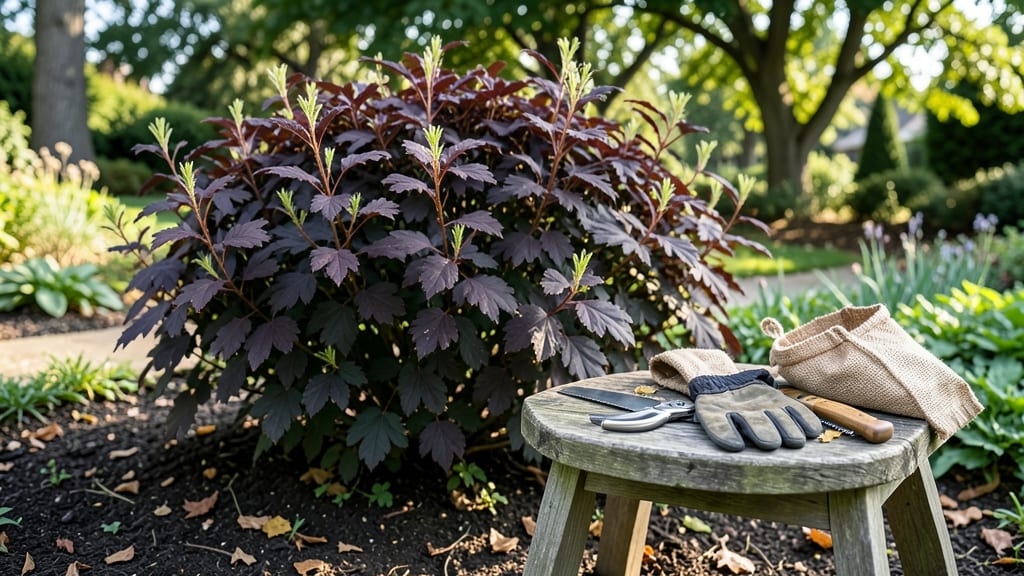
Late-winter pruning transforms Summer Wine ninebark from a scraggly mess into a fragrant, bushier powerhouse by spring. ✂️ I’ve pruned mine for years, and the difference between a neglected shrub and a showstopper comes down to timing, technique, and a few key cuts—all done before buds even think about swelling.
The best time is late winter to early spring, right before new growth starts. You’ll need sharp pruners, gloves, and a bucket for clippings—plus a clear goal: open up the center and shape the canopy.
Ninebark blooms on old wood, so avoid cutting back blooms (they’re your plant’s energy source for next year’s flowers). Focus instead on removing dead, crossing, or weak branches to let light and air circulate.
After pruning, your Summer Wine ninebark will reward you with vibrant red stems, glossy foliage, and a cloud of fragrant blooms by summer. The secret? Cut just above a bud or branch collar, and avoid leaving stubs—this prevents disease and encourages new growth.
Within weeks, you’ll see fresh shoots pushing through, and by midseason, your shrub will look like it’s been professionally landscaped.
Works for any Summer Wine ninebark—whether it’s a single specimen or part of a hedge. Pro tip: Prune again lightly after flowering if needed, but never more than one-third of the plant in a season. That’s how you keep it thriving for decades.
📚 In This Guide
- What you need
- Instructions
- Tips and common mistakes
- Wrapping up and next steps
What you need
- ● Bypass pruners: Sharp, high-quality pruners (e.g., Felco or Fiskars) for clean cuts on small branches (up to ½ inch in diameter). 1 pair.
- ● Loppers: For thicker branches (½ to 1½ inches). Look for ergonomic handles and bypass blades. 1 pair.
- ● Pruning saw: For branches over 1½ inches in diameter. A curved blade works best for tight spaces. 1 saw.
- ● Garden gloves: Heavy-duty, cut-resistant gloves (e.g., Mechanix or Dr. McGill’s) to protect hands from thorns and debris. 1 pair.
- ○ Disinfectant (optional but recommended): 70% isopropyl alcohol or a 10% bleach solution to sterilize tools between cuts and prevent disease spread.
- ● Trash bags or bucket: For collecting pruned branches and debris. 1-2 bags/bucket.
- ● Rake or broom: To clear fallen leaves and debris from the pruning area. 1 tool.
- ● Handheld leaf blower: Speeds up cleanup, especially in windy conditions.
- ● Pruning sealant: For larger cuts (over ½ inch) to prevent disease entry (e.g., Tanglefoot Tree Wound Pruning Seal).
- ● Knee pads: For comfort if you’ll be kneeling or working on the ground.
- ● Notebook & pen: To jot down notes on pruning decisions or plant health observations.
Step-by-Step guide to pruning Summer Wine ninebark
Here’s how I revive this fragrant shrub—late-winter pruning transforms leggy growth into a lush, bushy canopy.
✂️ Step 1: Time Your Prune for Late Winter
Wait until just before new growth begins—typically late February to early March in most climates. You’ll know it’s time when buds swell but haven’t yet burst. Pruning too early risks frost damage; too late and you’ll cut off next season’s flowers.
I always check the weather forecast first—avoid pruning if a hard freeze is predicted within 48 hours. Summer Wine Ninebark handles cold well, but fresh cuts are vulnerable to dieback. A light dusting of snow? No problem. A sub-zero night? Wait a few days.
🌿 Step 2: Remove Dead, Diseased, or Crossing Branches
Start by scanning the shrub for dead wood—branches that snap when bent or have no green beneath the bark. Cut these back to the main stem at a 45-degree angle, about ¼ inch above a outward-facing bud. This encourages outward growth and prevents crowding.
Next, look for crossing or rubbing branches—these create wounds where disease can enter. Remove one of the two branches entirely, cutting back to a healthy bud. I like to step back every few cuts to visualize the shrub’s shape. The goal is an open center that lets light and air circulate.
✂️ Step 3: Thin Out Overcrowded Growth
Summer Wine Ninebark naturally grows in a rounded form, but years of neglect can leave it looking like a tangled mess. Select 3-5 of the strongest, most upright stems and prune the rest back to the ground. This rejuvenates the shrub and stimulates fresh, vigorous growth from the base.
Don’t worry if it looks drastic at first—new shoots will emerge within 4-6 weeks. I’ve pruned back entire sections of my ninebark in late winter, and by summer, it’s denser and more fragrant than ever. Just avoid cutting more than one-third of the plant’s total volume in a single season.
☀️ Step 4: Shape the Canopy for Airflow and Light
Now focus on the remaining branches. Step back and visualize an open, rounded shape—Summer Wine Ninebark thrives when it gets plenty of light and air. Use hand pruners to trim back any branches growing inward or downward, cutting just above a bud that faces outward.
For a bushier look, leave some branches slightly longer than others—this creates natural layers. I like to keep the top slightly flatter than the sides, which helps rainwater run off instead of pooling. After pruning, give the shrub a light watering to help it recover from the stress.
🌱 Step 5: Clean Up and Monitor for New Growth
Rake up all the clippings and dispose of them in the trash—not the compost pile. Ninebark clippings can harbor fungal spores, and composting them risks reinfecting your garden. Wear gloves if you’re sensitive to sap, as fresh cuts can be slightly sticky.
Within 2-3 weeks, you’ll see new growth emerging from the pruned areas. This is your signal that the shrub is recovering well. Keep an eye out for pests like aphids—they’re drawn to fresh new growth. A strong spray of water usually knocks them off, but if they persist, a mild insecticidal soap will do the trick.
Tips & tricks for perfect late-winter ninebark revival
Late-winter pruning transforms your ninebark from leggy to lush—here's how to avoid common mistakes and get the best results.
Timing is Everything: The late February to early March window is non-negotiable for Summer Wine Ninebark. I've learned this the hard way—pruning too early risks frost damage to fresh cuts, while waiting too late means you'll sacrifice next year's flowers. Check for swollen buds that haven't burst yet, and always verify the 48-hour freeze forecast before you begin. A light frost won't harm established wood, but new cuts need protection from sub-zero temperatures.
The 45-Degree Angle Secret: When cutting back branches in Step 2, that 45-degree angle isn't just decorative—it's crucial for proper healing. Make your cut about ¼ inch above an outward-facing bud to encourage new growth in the direction you want. I use a small notched trowel to mark my cut line before making the actual cut, which helps maintain consistency. This technique prevents those unsightly stubs that can harbor disease.
Visualizing the Shape: Before you make a single cut, step back and really look at your ninebark. The goal is an open center with branches radiating outward—this creates that perfect rounded canopy. I find it helpful to imagine a lamp shade shape when pruning. For the bushier look in Step 4, leave some branches slightly longer than others to create natural layers. This not only looks beautiful but also helps rainwater run off instead of pooling at the center.
Post-Pruning Care: After you've finished all your cuts, give your ninebark a light watering to help it recover from the stress. I've noticed that plants pruned in late winter often show new growth within just 2-3 weeks, but they need that extra hydration to bounce back quickly. Keep an eye out for aphids—they love fresh new growth. A strong spray of water usually does the trick, but if they persist, grab some mild insecticidal soap from your gardening supplies.
Pro Tips for Summer Wine Ninebark Pruning
- Late-winter pruning transforms your ninebark from leggy to lush—here's how to avoid common mistakes and get the best results.
- Timing is Everything: The late February to early March window is non-negotiable for Summer Wine Ninebark.
- The 45-Degree Angle Secret: When cutting back branches in Step 2, that 45-degree angle isn't just decorative—it's crucial for proper healing.
Frequently asked questions
Got questions about pruning your Summer Wine ninebark? You’re not alone! Here are the most common concerns—and clear, actionable answers to keep your shrub thriving.
When is the best time to prune Summer Wine ninebark?
Late winter (just before new growth starts) is ideal—typically February to early March in most climates. This timing removes dead wood, shapes the plant, and encourages vibrant spring blooms. Avoid pruning in fall or during flowering season (late spring to summer).
How much can I cut back my Summer Wine ninebark?
You can safely prune back up to ⅓ of the plant’s height in late winter. For rejuvenation, cut older stems to the ground while leaving younger, vigorous shoots. Summer Wine is forgiving—just avoid over-pruning, which may stress the shrub.
What if I missed late-winter pruning? Can I still trim?
Yes! Light pruning (removing dead or crossing branches) can be done anytime. However, avoid heavy cuts after early summer—new growth won’t harden off before winter. For major shaping, wait until next late winter.
My ninebark leaves look yellow or spotted—did I prune wrong?
Yellowing or spots could signal fungal issues (like powdery mildew) or pests, not pruning mistakes. Sterilize tools with rubbing alcohol before pruning, and remove infected branches. Improve airflow by thinning dense areas during late-winter pruning.
Can I use the same pruning techniques for other ninebark varieties?
Most ninebark varieties (like Diablo or Columnare) follow similar late-winter pruning rules. However, columnar types may need less aggressive cutting to maintain their shape. Always check the plant’s growth habit—some prefer minimal pruning.
Wrapping up and next steps
Pruning your Summer Wine Ninebark in late winter isn’t just about shaping—it’s about unlocking its full potential for a fragrant, bushier, and more vibrant summer display. 🌿 With the right tools, timing, and technique, you’ll encourage lush growth, prevent disease, and enjoy years of effortless beauty.
Now that you’re armed with the know-how, there’s no better time to roll up your sleeves and give your Ninebark the care it deserves!
🌱 Your Next Step:
Grab your pruners, mark your calendar for February or early March, and start pruning before new growth begins. For extra confidence, snap a photo of your Ninebark’s current shape—then compare it to your post-pruning masterpiece! 📸✨