
Pruning
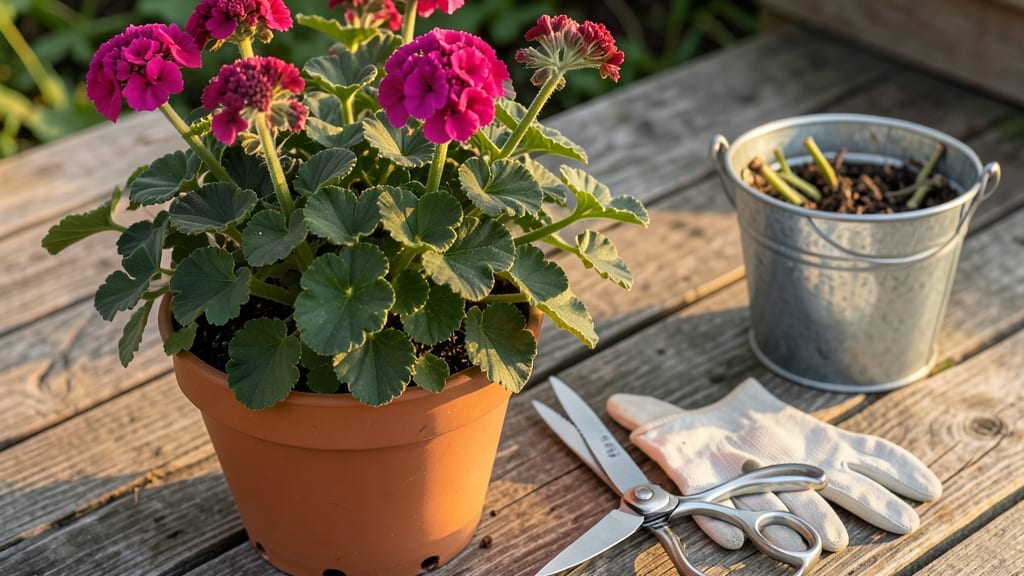
Three simple cuts can turn your leggy, sparse potted geraniums into a year-round blooming powerhouse. ✂️ After my first overzealous pruning attempt left my plants looking like sad twigs, I learned the right technique transforms them into bushier, more vibrant plants that keep flowering until frost.
The secret is timing and technique: prune after blooms fade to encourage new growth, cut just above leaf nodes, and never remove more than ⅓ of the plant at once. Most people either prune too late or too aggressively, which stresses the plant instead of reviving it.
You’ll see fresh, dark green stems pushing out within 10-14 days, followed by a second wave of blooms that lasts well into fall. The plants stay compact, resist flopping in containers, and even handle cooler temperatures better after proper pruning.
Works for all container geraniums—whether you’re growing trailing varieties in hanging pots or upright types on patios. Here’s how to do it without killing your plants (again).
📚 In This Guide
- What you need
- Instructions
- Tips and common mistakes
- Wrapping up and next steps
What you need
- ● Sharp bypass pruners – Choose clean, sterilized pruners (or small garden shears) with a 4- to 6-inch blade for precision. Avoid dull tools to prevent tearing stems.
- ● Rubbing alcohol (70% isopropyl) or bleach solution – For sterilizing tools between cuts (1 part bleach to 9 parts water).
- ● Glove – A pair of gardening gloves (nitrile or cotton) to protect your hands from thorns and sap.
- ○ Small container or bucket – To collect pruned clippings (optional but handy for composting!).
- ● Plant food (balanced fertilizer, 10-10-10 or similar) – A ½ teaspoon per gallon of water to revive your geraniums post-prune.
- ● Hand lens or magnifying glass – For spotting hidden pests or diseased stems before pruning.
- ● Pruning saw (for stubborn stems) – A small, fine-toothed saw if you encounter overly thick, woody growth.
- ● Spray bottle with water – To mist leaves and reduce stress on the plant during pruning.
- ● Plant markers – Label pots if you’re propagating cuttings to track varieties.
Instructions for pruning potted geraniums
Here's the straightforward method I use to keep my potted geraniums blooming all season long.
✂️ Step 1: Identify and Remove Dead or Diseased Growth
Start by scanning your geranium for any stems that look brown, mushy, or shriveled—these are dead or diseased and need immediate removal. Grab your clean, sharp pruners and cut these stems back to healthy green tissue. You'll notice the healthy stems feel firm and green, while dead ones crumble easily when touched.
Don't worry about being too aggressive here—geraniums are tough and will bounce back. If you see any leaves with black spots or powdery white residue, those stems need to go too. This step prevents pests and diseases from spreading to the rest of the plant.
✂️ Step 2: Trim Back Leggy or Overgrown Stems
Next, look for stems that have grown too long and leggy, with few leaves or flowers. These stems won’t produce much color and can make your plant look unkempt. Cut these back to just above a set of healthy leaves or buds. You’ll see these as small green bumps along the stem—this is where new growth will sprout.
I like to make my cuts at a slight angle, about ¼ inch above the leaf or bud. This helps water run off the cut and prevents it from sitting in the wound. If a stem is completely bare, cut it back to the base—it won’t regrow from there, but it’ll free up energy for the healthier parts of the plant.
✂️ Step 3: Shape the Plant for Fullness and Airflow
Now it’s time to give your geranium its signature rounded shape. Step back and look at the plant as a whole—aim for a bushy, full appearance. Cut back any stems that are growing inward or crossing over others. This improves airflow, which keeps the plant healthier and reduces the risk of fungal issues.
For a more compact look, you can also pinch back the tips of the remaining stems. Just use your fingers to squeeze off the top ½ inch of growth. This encourages the plant to branch out and fill in more densely. You’ll see new side shoots forming within a few weeks—that’s your signal it’s working!
💧 Step 4: Post-Pruning Care for Quick Recovery
After pruning, give your geranium a good drink of water to help it recover. Water deeply until you see moisture running out of the drainage holes at the bottom of the pot. This ensures the roots stay hydrated as the plant focuses on new growth rather than just survival.
Place your pruned geranium in a spot with bright, indirect light for a few days. Too much direct sun right after pruning can stress the plant, especially if it’s been cut back heavily. Once you see new growth emerging—usually within 7-10 days—you can move it back to its usual sunny spot.
Tips & tricks for perfectly pruned potted geraniums
Here's what I learned after years of pruning my own geraniums—these simple tricks make all the difference for keeping your plants healthy and blooming.
Tool Prep: Always sterilize your pruners with rubbing alcohol before you start. I learned this the hard way after transferring fungal spores from one plant to another. Clean tools also make smoother cuts that heal faster. For large plants, I use my kitchen scissors—just wash them thoroughly afterward!
The Right Angle Matters: When cutting stems in Step 2, that slight angle above the leaf or bud isn't just for looks—it's about water drainage. I make my cuts at a 45-degree angle to prevent water from pooling in the wound, which could lead to rot. This small detail makes a big difference in how quickly your plant recovers.
Pinching for Bushiness: The ½-inch pinch in Step 3 might seem small, but it triggers a growth response that creates bushier plants. I pinch multiple stems around the plant to encourage even branching. You'll notice new side shoots appearing within 1-2 weeks—this is your plant's way of saying "thank you" for the little nudge!
Light Aftercare: That bright, indirect light recommendation in Step 4 isn't just about recovery—it's about balancing stress and growth. Too much direct sun right after pruning can scorch new growth. I place my pruned geraniums near an east-facing window for the first few days, then gradually move them to their usual sunny spot as new leaves appear.
Pro Tips for Pruning Potted Geraniums
- Here's what I learned after years of pruning my own geraniums—these simple tricks make all the difference for keeping your plants healthy and blooming.
- Tool Prep: Always sterilize your pruners with rubbing alcohol before you start.
- The Right Angle Matters: When cutting stems in Step 2, that slight angle above the leaf or bud isn't just for looks—it's about water drainage.
Frequently asked questions
Got questions about keeping your potted geraniums looking their best? You’re not alone! Here are answers to the most common concerns—so you can prune like a pro and enjoy lush, blooming plants all year.
When is the best time to prune potted geraniums?
Prune geraniums three times a year for optimal growth: early spring (to encourage new blooms), mid-summer (to revive leggy plants), and late fall (to prep for winter dormancy). Avoid pruning during extreme heat or cold—aim for mild temperatures (50–75°F).
How much should I cut back my geraniums?
For spring pruning, trim back ⅓ of the plant’s height to promote bushiness. In summer, cut back by ½ to ⅔ to encourage dense foliage and more flowers. In fall, reduce stems by ⅔ to help the plant conserve energy. Never remove more than ⅔ of the plant at once—it can shock the geranium!
What do I do if my geraniums look sad after pruning?
If your geraniums seem stressed post-prune, they might need extra care:
- Water deeply but avoid soggy soil (geraniums hate wet feet!).
- Move to bright, indirect light for a few days to help recovery.
- Fertilize lightly with a balanced 10-10-10 formula after 2–3 weeks.
Can I prune geraniums too much?
Yes! Over-pruning—cutting back more than ⅔ of the plant or trimming too late in the season—can stunt growth or prevent blooming. Stick to the 3-season rule (spring, summer, fall) and avoid heavy cuts in winter. If you accidentally overdo it, don’t panic—geraniums are resilient and will regrow with time and care.
What’s an alternative if I don’t want to prune?
If pruning feels overwhelming, try these low-maintenance alternatives:
- Deadheading: Pinch off spent blooms regularly to encourage new flowers (no major cuts needed!).
- Thinning out: Remove only the longest, leggiest stems to improve airflow and shape.
- Divide and repot: Every 2–3 years, split overcrowded geraniums into smaller pots to refresh growth.
Wrapping up and next steps
Pruning your potted geraniums isn’t just about keeping them tidy—it’s the secret to longer blooms, bushier growth, and vibrant color all year round! 🌸 With just three simple cuts, you can revitalize your plants and encourage them to thrive, whether it’s for summer showstoppers or winter cheer.
Now that you’re armed with the know-how, grab those shears and give your geraniums the care they deserve—your balcony (or windowsill) will thank you!
Ready to see the results? Start with one plant today and watch as it transforms into a lush, flowering masterpiece. Happy pruning—and here’s to a garden bursting with color! ✂️💚