
Pruning
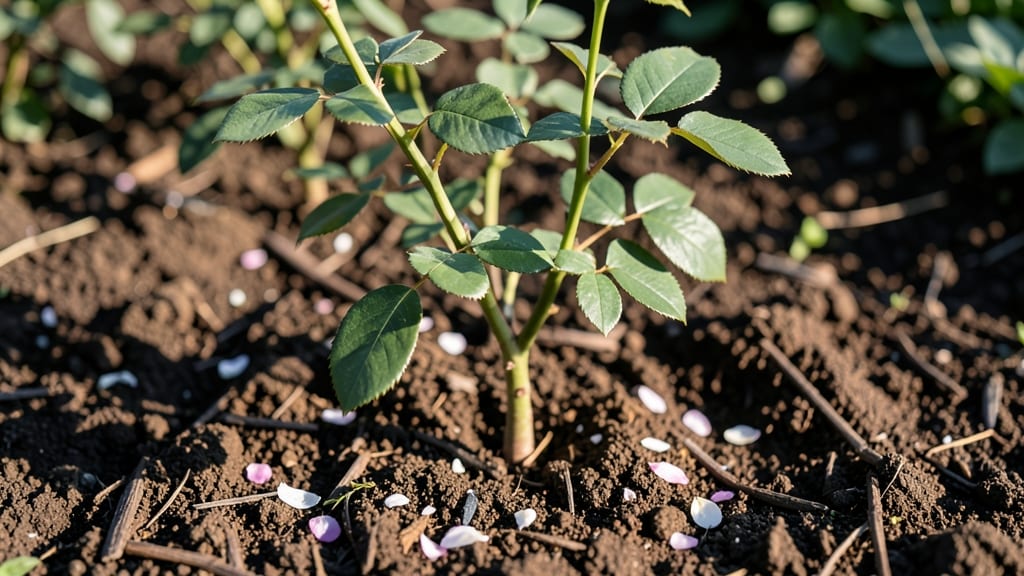
Want a rose bush bursting with blooms? Proper pruning at the right time can double your flowers next season. These 10 expert techniques cover seasonal cuts, tools, and timing to transform your roses from sparse to spectacular.
Early Spring Cleanup Pruning
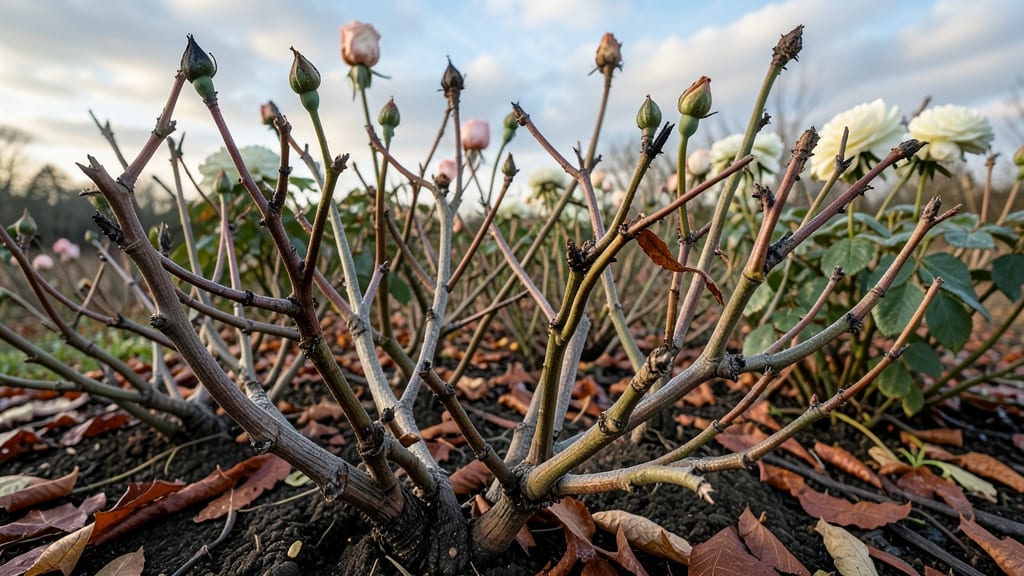
If your hybrid teas and floribundas look tired after winter, early spring cleanup pruning is your secret weapon. This isn't about shaping—it's about removing dead wood, broken canes, and winter-killed growth before buds swell. Think of it as giving your roses a fresh start before their main growing season begins.
Start when you see new green shoots emerging (usually 2-4 weeks before your last frost date). Use sharp pruners to cut back to a healthy bud or outward-facing cane, making cuts at a 45-degree angle just above an outward-facing bud. Focus on removing anything brown, mushy, or crossing—this opens up the center for airflow and sunlight, which prevents disease and encourages vigorous new growth.
This is especially important for repeat-blooming roses like hybrid teas, where proper spring cleanup sets the stage for their first flush of blooms. Gardeners in colder climates should wait until temperatures consistently stay above freezing to avoid shocking new growth. 🌱
Summer Deadheading After Blooms
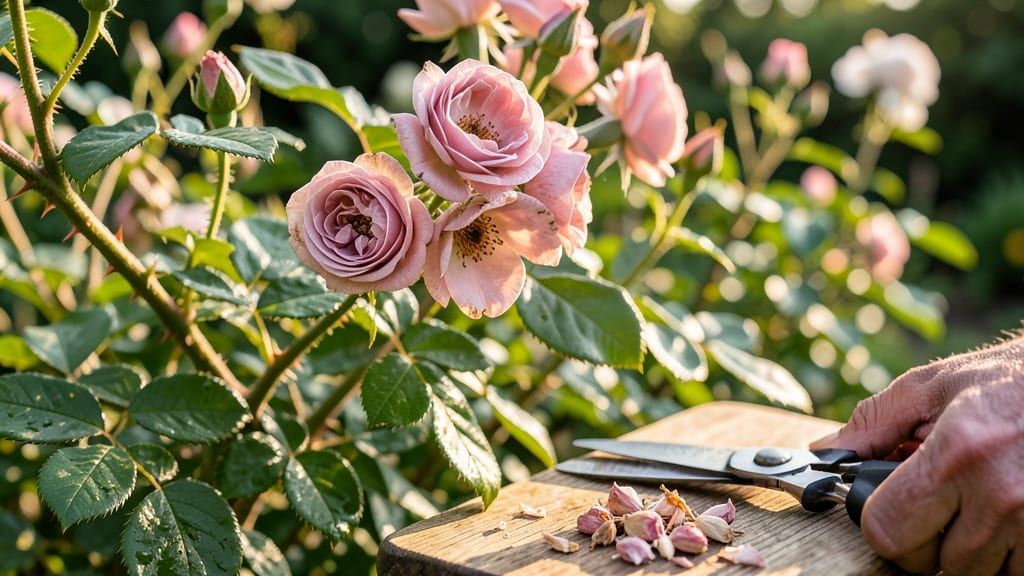
Summer wilting blooms don’t mean the end of your rose show—deadheading spent flowers is the secret to nonstop summer blooms on climbers and shrub roses. This simple technique redirects energy from seed production back into fresh buds, turning a one-time bloom into a continuous display.
Use clean pruners or your fingers to snip off faded blooms just above a five-leaflet leaf or outward-facing bud. For climbing roses, focus on removing entire stems back to a strong growth point to maintain their vertical structure. Shrub roses respond well to light trimming of individual blooms, encouraging bushier growth. Do this weekly during peak bloom season for maximum impact.
This method is especially rewarding for gardeners with limited space or those growing roses in containers—it keeps plants compact while maximizing flower production. Just 10 minutes of deadheading can mean dozens more blooms by season’s end. 🌻
Fall Renewal Pruning for Hardiness
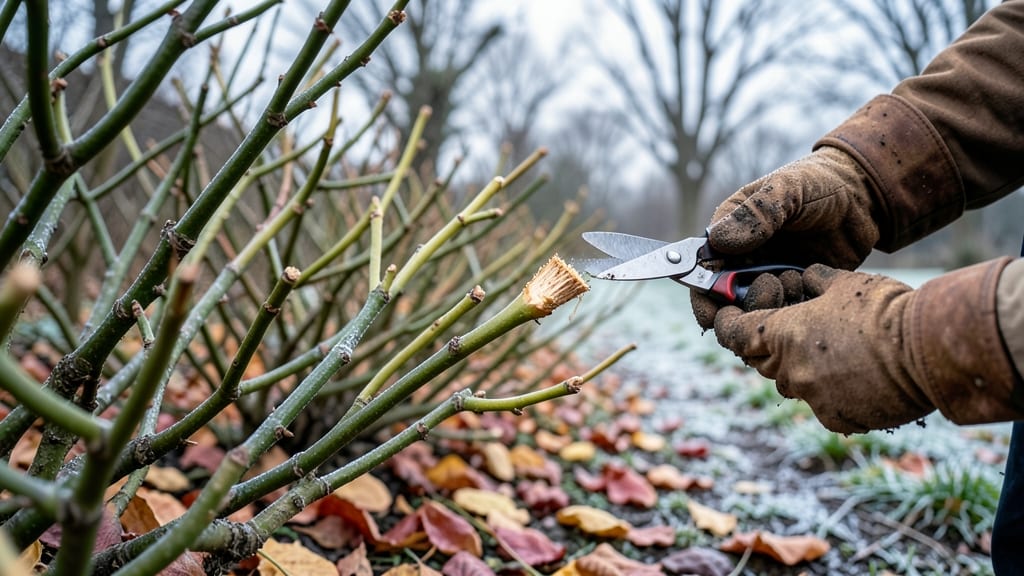
Cold climates demand a different pruning approach—fall renewal pruning is your secret weapon to protect hardy roses like Rosa rugosa through harsh winters. Unlike aggressive cuts, this method focuses on strengthening canes before dormancy, reducing winter dieback risks.
Start by removing only weak or crossing canes, leaving the strongest stems intact. Cut at a 45-degree angle just above an outward-facing bud, and avoid heavy pruning—aim to reduce growth by no more than 20%. This light approach encourages thicker, more resilient canes that bounce back stronger in spring.
Gardeners in USDA zones 3-6 will see dramatic improvements in winter survival rates. It’s especially valuable for shrub roses and rugosas, which thrive with minimal intervention during their dormant season. 🌟
Thinning Out Crowded Canes
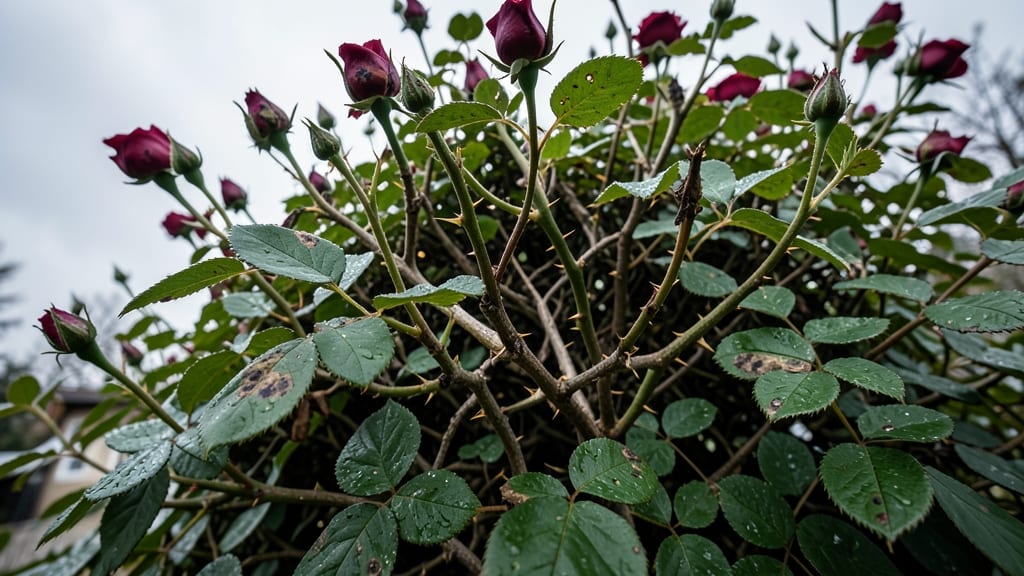
If your grandiflora roses look lush but struggle with black spot, crowded canes might be the culprit. Too many stems create a dense center that traps moisture, inviting fungal diseases while blocking sunlight from reaching inner buds.
Focus on removing thin, weak, or crossing canes first—keep only 3-5 of the strongest, healthiest stems at the base. Cut at a 45-degree angle just above an outward-facing bud to encourage new growth. This opens the bush for better airflow, reducing humidity buildup where black spot thrives.
This technique is a game-changer for disease-prone varieties and works best during early spring or late winter when the plant is dormant. Your roses will reward you with fuller blooms and fewer fungal battles. 🌿
Pruning for Bush Shape Control
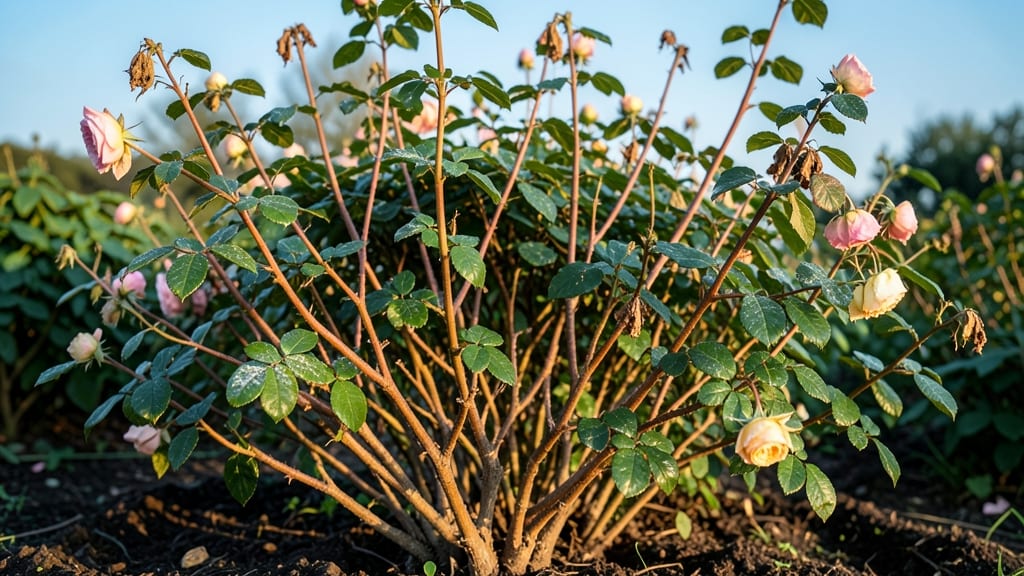
Struggling with roses that bloom beautifully but then get leggy and sparse? Bush shape control is the secret to keeping your Knock Out roses lush and flowering all season. This technique isn’t just about aesthetics—it’s about creating an open vase shape that lets sunlight penetrate to the center, where most buds form.
Start by identifying the strongest canes—these will form the framework of your vase. Cut back any crossing or inward-growing branches to eliminate competition, then trim side shoots to about half their length. Always cut at a 45-degree angle just above an outward-facing bud to encourage new growth in the right direction. For repeat bloomers, focus on maintaining this shape throughout the growing season to maximize light exposure.
This method works wonders for urban gardeners with limited space or anyone growing roses in containers. By keeping your bush open and airy, you’ll not only boost flower production but also reduce disease risk from trapped moisture. 🌻
Removing Suckers from Base
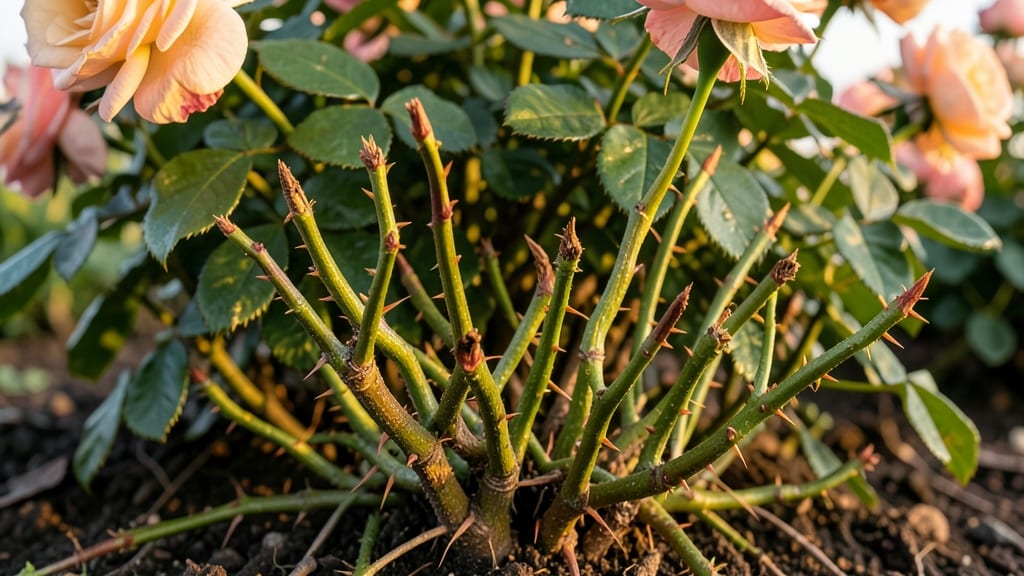
Those vigorous shoots sprouting from the base of your David Austin roses might look like extra growth, but they’re actually wild suckers stealing energy from your prized blooms. These aggressive stems emerge from the rootstock, not the cultivated grafted variety you planted, and if left unchecked, they’ll crowd out the delicate flowers you love.
To remove them, use sharp pruners to cut at the base where the sucker meets the soil—never pull, as this can damage the root system. Check monthly during growing season, as suckers appear year-round but are most active in spring and summer. This simple step ensures all your rose’s energy goes toward producing the fragrant, repeat-blooming flowers you planted for. 💪
Pruning for Long-Stemmed Cut Flowers
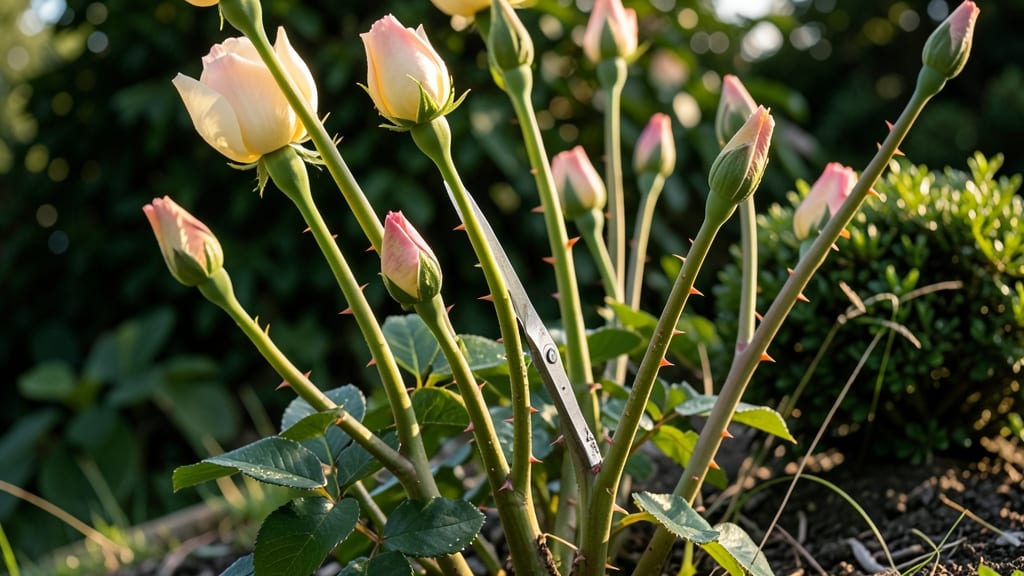
Transform your hybrid tea roses into a cut-flower powerhouse by pruning for long stems—this simple technique unlocks vase-worthy blooms with 18-inch stems or longer. Unlike regular pruning, this method focuses on encouraging vertical growth while maintaining bush density.
Start by selecting the healthiest, straightest canes and make your cuts just above an outward-facing bud, leaving about 5-6 leaves below the cut. Avoid pruning more than one-third of the plant’s height at once, and always use sharp, sanitized shears to prevent disease. For the best results, prune in early spring when new growth begins, and repeat lightly after each flush of blooms to maintain stem length.
This technique is perfect for floral enthusiasts and gardeners who love arranging bouquets—your roses will deliver longer-lasting stems that hold up beautifully in water. 🌻
Winter Pruning for Old Roses
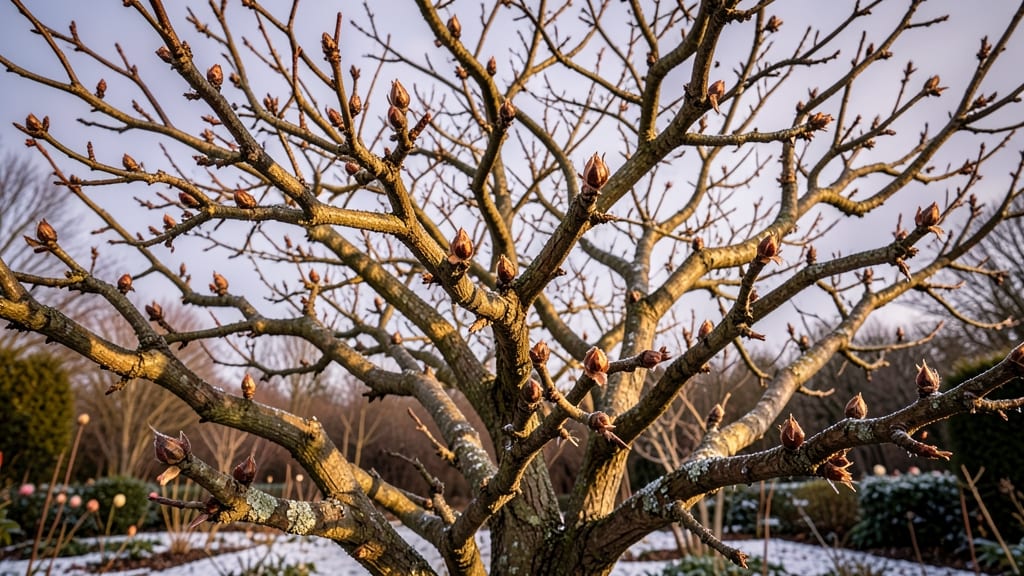
Antique roses like Apothecary roses thrive with a special late-winter pruning approach that preserves their historic, layered growth while keeping blooms abundant. Unlike modern roses, these heirlooms benefit from a delayed cutback—waiting until late winter (after the worst cold passes) to shape their canes without sacrificing next season’s flowers.
Focus on removing only the oldest, thickest canes—about one-third of the bush—to maintain the rose’s natural, romantic form. Cut just above an outward-facing bud (about ¼ inch above) to encourage new growth that aligns with the plant’s historic, multi-layered structure. This method ensures year-round interest, from fragrant spring blooms to winter character.
Perfect for gardeners who love vintage roses and want to preserve their unique growth habits while still enjoying a bountiful display. Your historic roses will reward you with healthier canes and more classic blooms than ever before. ✨
Pruning for Disease Prevention
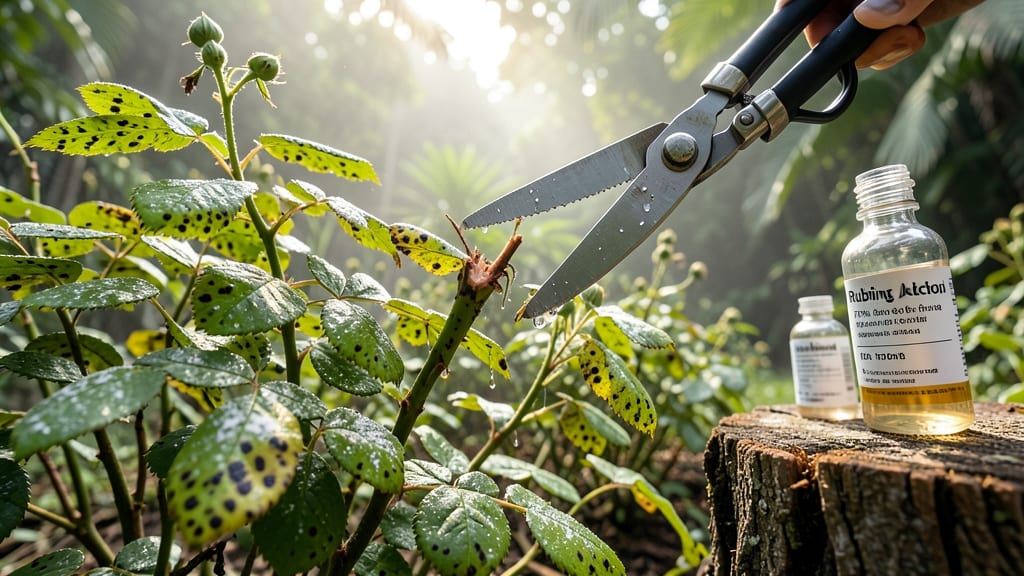
If your roses live in a humid climate, fungal diseases like black spot and powdery mildew can turn vibrant blooms into a sad, spotted mess. The secret weapon? Sanitizing your pruning tools with rubbing alcohol between cuts to block fungal spores from spreading through open wounds.
After each snip, wipe your shears or pruners with a 70% isopropyl alcohol pad—this kills 99% of fungal spores lurking on blades. Focus on disease-prone varieties like grandifloras or hybrid teas, and always prune during dry, sunny mornings to let cuts heal faster. For extra protection, spray the area with a copper-based fungicide after pruning.
This step is especially vital for gardeners in southern climates where humidity fuels fungal growth. A few minutes of sanitizing now can save your roses from a summer of wilting leaves and missed blooms. 💚
Pruning Newly Planted Roses

Newly planted roses need a gentle nudge—not a heavy-handed pruning—to thrive. Instead of dramatic cuts, focus on light trimming right after planting to redirect energy toward root development, not blooms. This simple step sets the stage for stronger canes and bigger flowers next season.
Use clean, sharp pruners to snip off any broken or damaged stems, then cut back the remaining canes by one-third to encourage branching. Avoid removing more than 25% of the plant, as this can stress young roots. Mulch heavily after pruning to retain moisture and protect tender growth during establishment.
This approach is especially valuable for beginners or those planting roses in containers, where root space is limited. A little patience now means healthier plants and more abundant blooms in just a few seasons. 🌻