
Pruning
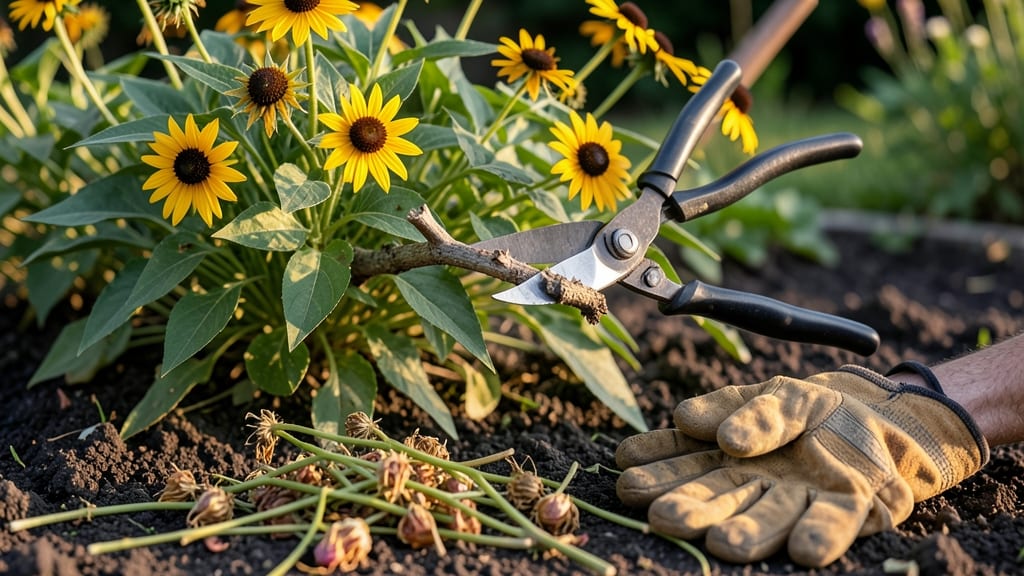
Pruning perennial flowers isn't just about cutting back—it's about unlocking next year's blooms right now. 🌸 I've learned that timing, technique, and knowing your plant make all the difference between a sad, leggy bush and one bursting with flowers.
The right cuts encourage stronger growth, more blooms, and plants that last for decades.
Most perennials need a late winter or early spring trim before new growth starts, but some—like peonies—hate heavy pruning and should barely be touched. You'll need sharp bypass pruners, gloves, and a clear morning to work when plants are dry.
The goal? Remove dead wood, shape for airflow, and never cut more than one-third of the plant at once.
By summer, you'll be deadheading spent blooms to redirect energy into new flowers, and by fall, you'll know exactly which plants need rejuvenation cuts to stay vigorous. The payoff? Plants that bloom earlier, harder, and longer than ever before, with fewer pests and diseases creeping in.
Whether you're tackling a sun-loving coneflower or a shade-dwelling hosta, these seasonal tricks work for every perennial. Let's get those shears sharp and those plants thriving!
📚 In This Guide
- What you need
- Instructions
- Tips and common mistakes
- Wrapping up and next steps
What you need
- ● Pruning shears: Bypass pruners (for clean cuts) or anvil pruners (for thicker stems). Choose sharp, stainless-steel blades (5- to 8-inch size). Pro tip: Disinfect blades with rubbing alcohol between cuts to prevent disease spread! 💡
- ● Loppers: Bypass-style (for stems up to 2 inches thick). Look for ergonomic handles and ratcheting mechanisms for leverage.
- ● Pruning saw: Curved-tooth (for woody stems over 2 inches thick). A 10- to 12-inch blade works best.
- ● Garden gloves: Heavy-duty, cut-resistant (e.g., nitrile-coated or leather) to protect hands from thorns and debris.
- ● Disinfectant: Rubbing alcohol (70% isopropyl) or a commercial pruning sealant (e.g., Tanglefoot Pruning Seal).
- ○ Garden twine or zip ties: (Optional) For tying up large branches post-pruning.
- ● Hand pruners: For delicate trimming (e.g., Felco F-2 or Corona Classic).
- ● Knee pads: For comfort during long pruning sessions.
- ● Wheelbarrow or bucket: To collect clippings and debris (10- to 15-gallon size).
- ● Sharpener: A file or honing tool to keep blades razor-sharp mid-session.
- ● Safety glasses: If pruning near thorny or brittle plants (e.g., roses, hydrangeas).
- ● ✅ Weather check: Prune on a dry, overcast day (or early morning) to avoid stressing plants.
- ● ✅ Research: Know your perennial types—some (like peony) hate pruning, while others (e.g., black-eyed Susans) thrive with it!
- ● ✅ Cleanup: Clear the area of old mulch or debris to spot dead stems easily.
Step-by-Step guide to pruning perennial flowers
Here’s how I keep my perennials thriving for years—season by season.
✂️ Step 1: Prune Early Spring for New Growth
Wait until new shoots emerge—usually 2-3 weeks after your last frost—before cutting back. I like to prune just as the first green tips appear, but before any leaves unfurl. This encourages strong, vigorous growth from the base.
Use clean, sharp pruners (sterilized with rubbing alcohol) and cut 1/4 inch above a leaf node or outward-facing bud. Never leave stubs—this prevents disease and rot. For dead stems, snip them down to the ground unless you spot new growth lower down.
Real talk: If you missed early spring, don’t panic. Just wait until after flowering to prune—though you’ll sacrifice that season’s blooms. I’ve done it both ways, and the plants always bounce back.
☀️ Step 2: Deadhead Spent Blooms for Extended Flowering
As flowers fade, pinch or cut off the entire spent bloom stem down to the next set of leaves. This redirects the plant’s energy to producing more flowers instead of seeds. I do this weekly during peak bloom season—it’s like hitting the refresh button on your garden.
For some perennials (like coneflowers or black-eyed Susans), you can leave a few seed heads for winter interest, but remove most to keep the plant focused on reblooming. Always use sharp shears—dull blades crush stems and invite disease.
Here’s the thing—if you skip deadheading, your perennials will still flower, but later in the season and less abundantly. It’s worth the 5 minutes a week to keep them looking their best.
⏰ Step 3: Late Summer Cleanup for Winter Prep
About 6 weeks before your first frost, give your perennials a final trim. Cut back any dead or damaged foliage to 3-4 inches above the ground, but leave healthy stems intact. This helps the plant store energy for next spring.
Remove all diseased leaves (burn them, don’t compost!) and rake up debris around the base. I also add a 2-inch layer of mulch (like shredded leaves or straw) to insulate roots. This step is critical—skipping it often leads to weak growth the following year.
Don’t cut back hardy perennials (like peonies or hostas) until spring—their foliage protects the crown from freezing. But for tender perennials (like salvias or lavender), a light trim now helps them toughen up.
🌱 Step 4: Annual Maintenance Checks
Once a year, inspect your perennials in early spring for signs of stress, pests, or overcrowding. If stems are woody or hollow, it’s time to divide the plant—this rejuvenates growth and prevents decline. I dig up clumps every 3-4 years and split them into smaller sections.
Thin out congested areas by removing the oldest stems first—they’re the least productive. Space remaining stems 6-12 inches apart (depending on the variety) to allow airflow and reduce disease risk.
This is the moment that matters: A little annual TLC keeps perennials blooming like they’re brand new. I’ve seen neglected clumps revive completely after just one season of proper care.
Tips & tricks for pruning perennial flowers
These simple tricks will help your perennials thrive for years with minimal effort.
Timing is Everything: Those 2-3 weeks after your last frost in Step 1 are crucial—pruning too early can damage tender new growth, while waiting too long delays the plant's energy boost. I always check for those first green tips as my cue. For zones with unpredictable springs, use a soil thermometer to confirm nighttime temperatures stay above 40°F consistently.
Tool Technique: Your pruners are only as good as their sharpness. Before you start, test your blades on a scrap piece of cardboard—if they don't cut cleanly, sharpen them. I keep a small file in my gardening toolbox to touch up edges between uses. Dull tools crush stems, creating entry points for disease. For thick stems, use bypass pruners instead of anvil-style ones to avoid damaging the plant tissue.
Seasonal Strategy: In Step 3, when you're doing your late summer cleanup, focus on removing only the truly damaged foliage. Healthy stems should remain intact—they're storing energy for next year. I've seen gardeners accidentally prune back too much, which weakens the plant. Remember: you can always cut more later, but you can't un-cut what's already gone.
Dividing Made Easy: When it's time to divide those woody stems in Step 4, use a clean spade to dig around the entire clump first. Gently pull apart the sections with your hands—no need for force. I've found that dividing every 3-4 years prevents overcrowding and keeps blooms abundant. If you're nervous about damaging roots, dig up a small section first to practice before tackling the whole plant.
Pro Tips for Pruning Perennial Flowers
- These simple tricks will help your perennials thrive for years with minimal effort.
- Timing is Everything: Those 2-3 weeks after your last frost in Step 1 are crucial—pruning too early can damage tender...
- Tool Technique: Your pruners are only as good as their sharpness. Before you start, test your blades on a scrap piece...
Frequently asked questions
Got questions about pruning perennial flowers?
You’re not alone! Here are answers to the most common concerns—from timing to tools—to help you keep your garden thriving.
When is the best time to prune perennials?
The ideal time depends on your plant! Early spring (just as new growth emerges) is best for most perennials, while late winter or early spring works for dormant plants. Avoid pruning in fall unless dealing with dead or diseased foliage—this can invite pests. Always research your specific perennials, as some (like bleeding heart) bloom on old wood and need a different approach.
Do I need special tools for pruning perennials?
Not necessarily! A sharp pair of bypass pruners or hand pruners works for most jobs. For thicker stems (like peony or daylily), grab loppers or a pruning saw. Pro tip: Sterilize tools with rubbing alcohol between cuts to prevent spreading disease. Never use dull tools—they crush stems instead of cleanly cutting them.
What if I prune at the wrong time and my perennials die?
Don’t panic! While timing matters, perennials are hardy. If you prune too late (e.g., cutting back coneflowers after they’ve bloomed), they may skip flowering next year—but they’ll often bounce back. Focus on removing dead or diseased stems immediately, and give your plants time to recover. Overwatering or poor soil can worsen stress, so adjust care if needed.
How much should I cut back perennials?
It varies! For most perennials, aim to cut back 1/3 of the plant’s height, leaving a few inches of growth. For grasses or ornamental perennials, you can go bolder—even to the ground. Pro tip: Look for the crown (the base where leaves meet the stem) and avoid cutting into it. If unsure, err on the side of caution and trim less.
Can I prune perennials in containers differently than those in the ground?
Yes! Container perennials often need more frequent pruning (every 4–6 weeks) to encourage bushiness and prevent overcrowding. Trim spent blooms regularly and thin out congested stemslight fertilizing to support recovery. Bonus: Pruned container plants make great cuttings for propagation!
Wrapping up and next steps
Pruning perennial flowers isn’t just about keeping your garden tidy—it’s the secret to vibrant blooms, stronger plants, and years of beauty. 🌸 By mastering seasonal techniques and sharpening your shears, you’re investing in a garden that thrives with minimal effort.
Now that you’re armed with the right tools, timing, and tips, there’s no better time to roll up your sleeves and give your perennials the care they deserve.
Ready to transform your garden? Start with one plant this weekend—pick a healthy perennial, grab your pruners, and follow the steps you’ve learned. Before you know it, your garden will be a showstopper year after year!