
Pruning
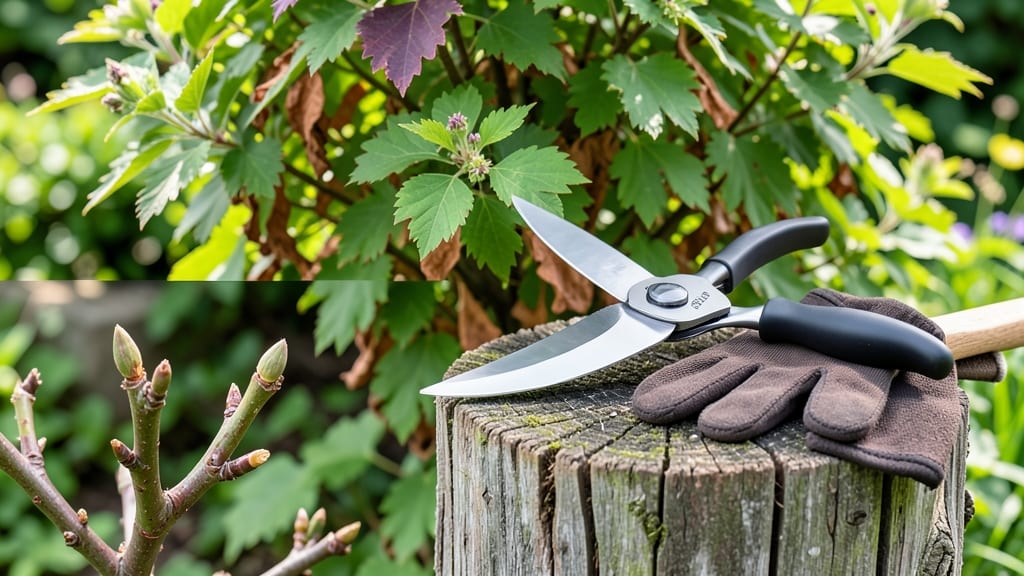
Spring pruning ninebark transforms it from a tangled mess to a thorn-free, bushy beauty—and the timing makes all the difference. 🌿 I used to wait until late spring, but that’s when you risk encouraging leggy growth. The secret?
Prune in early spring, right before new shoots emerge, to shape the plant while it’s still dormant. You’ll need just three tools: sharp pruners, gloves (those thorns do bite), and a clean cloth for wiping cuts.
The goal is to remove 1/3 of last year’s growth, focusing on crossing branches and inward-facing stems. This opens up the center for sunlight and air, which means fewer pests and more vibrant foliage later. After pruning, your ninebark will rebound with new, vigorous growth within weeks.
The leaves turn that signature peeling bark color faster, and the blooms arrive thicker and more abundant. Just avoid heavy pruning after June—you’ll cut off next year’s flowers.
This method works for both new and mature plants, and it’s the same whether you’ve got one bush or a whole hedge. Ready to give your ninebark the fresh start it deserves?
📚 In This Guide
- What you need
- Instructions
- Tips and common mistakes
- Wrapping up and next steps
What you need
- ● Bypass pruners (sharp, clean, and disinfected): 1 pair (for small to medium stems, <1-inch thick)
- ○ Optional: Bypass loppers (for thicker branches, up to 2 inches)
- ● Hand pruners (for precision cuts on tiny twigs)
- ● Gloves (thick, cut-resistant to protect from thorns)
- ● Disinfectant (70% isopropyl alcohol or bleach solution for sterilizing tools)
- ● Pruning saw (for thick, stubborn branches)
- ● Ladder (if your ninebark is taller than 6 feet)
- ● Marking spray (to tag branches for removal)
- ● Trash bags (for cleanup—ninebark debris can be bulky!)
- ● Hose or bucket of water (to rinse tools between cuts)
- ● Choose the right time: Prune on a dry, cloudy day (avoid midday heat)
- ● Check the weather forecast: No rain for 24–48 hours after pruning
- ● Wear protective clothing: Long sleeves, pants, and closed-toe shoes
Step-by-Step instructions for pruning ninebark in spring
Here's how I transform tangled ninebark into a lush, thorn-free beauty every spring—no experience needed.
✂️ Step 1: Remove Dead and Crossing Branches First
Start by grabbing your pruning shears and scanning the plant for any branches that are completely brown or brittle—these are dead and need to go. Cut them back to the main stem or trunk at a 45-degree angle, about ¼ inch above a bud facing outward. This prevents water from pooling and causing rot.
Next, look for branches that are rubbing against each other. These create wounds that invite disease and thorns. Simply snip the smaller of the two branches at its base. I always work from the inside out—this keeps the plant's natural shape while opening up the center for better airflow.
✂️ Step 2: Thin Out Overcrowded Areas
Ninebark can get thick and woody over time, so focus on thinning branches that are growing inward or too close together. Aim to remove about 20-30% of the plant's total growth—this keeps it healthy without shocking the shrub. Start at the base and work upward, cutting branches back to a strong outward-facing bud.
Watch for branches that are thinner than a pencil—these are often weak and won't contribute much to the plant's structure. Removing them now prevents future thorn buildup and encourages stronger growth. If you're unsure, hold the branch up to the light—if it looks hollow or papery, it's time to prune it out.
✂️ Step 3: Shape and Encourage New Growth
Now for the fun part—shaping! Step back and visualize the plant's natural form. Ninebark responds well to light pruning, so focus on softening its edges and opening up the center. Cut back any branches that are growing too long or leggy, trimming them to just above a leaf node or bud.
For a fuller look, you can lightly trim the tips of branches to encourage bushier growth. Just make sure not to cut into old wood—ninebark blooms on new growth, so pruning too late in the season can reduce next year's flowers. Finish by cleaning up any small twigs or debris left behind with your pruning shears.
🪴 Step 4: Clean Up and Protect Your Plant
After pruning, take a moment to clean your tools with rubbing alcohol or a bleach solution to prevent the spread of disease. This is especially important if your ninebark has any signs of pests or fungal issues. Once your tools are clean, give the plant a good drink of water to help it recover from the pruning.
Finally, apply a layer of 2-3 inches of mulch around the base of the plant, keeping it a few inches away from the trunk. This helps retain moisture, suppress weeds, and protect the roots as the plant adjusts to its new shape. Your ninebark will thank you with vibrant new growth and fewer thorns!
Tips & tricks for pruning ninebark like a pro
Let's cut through the confusion—these simple tricks will turn your ninebark pruning into a stress-free, rewarding experience.
The Angle Matters: When you cut branches at that 45-degree angle in Step 1, make sure the top of the cut faces away from the branch you're keeping. This creates a natural water runoff path that prevents rot. I learned this the hard way after watching a pruned branch develop brown spots—always check your angle before making the cut. The ¼-inch above a bud rule is non-negotiable too; this ensures new growth emerges in the right direction.
Thinning Strategy: That 20-30% removal target in Step 2 might feel aggressive, but trust me—it's better to be bold than hesitant. Start by removing the weakest branches first (those thinner than a pencil or hollow when held to light). These are the ones causing crowding and thorn buildup. Pro tip: Work in sections—prune one side completely before moving to the next. This helps you visualize the plant's natural shape as you go.
Timing is Everything: Spring is your best window for pruning ninebark, but don't wait until after the flowers bloom. Late spring pruning can reduce next year's flowers since ninebark blooms on new growth. If you missed the window, focus on removing dead wood and thinning—just avoid heavy shaping cuts that would remove too many flower buds. For best results, prune right after the plant finishes blooming but before summer heat sets in.
Tool Care Pays Off: That final step about cleaning tools isn't just about hygiene—it's about protecting your investment. I use a 1:10 bleach-to-water solution for stubborn sap buildup, then wipe with rubbing alcohol. Sharp tools make all the difference: Dull shears tear branches instead of clean cuts. Keep your tools oiled between uses to maintain their edge. And always dispose of pruned material far from your ninebark to prevent disease spread.
Pro Tips for Pruning Ninebark In Spring
- Let's cut through the confusion—these simple tricks will turn your ninebark pruning into a stress-free, rewarding experience.
- The Angle Matters: When you cut branches at that 45-degree angle in Step 1, make sure the top of the cut faces away from the branch you're keeping.
- Thinning Strategy: That 20-30% removal target in Step 2 might feel aggressive, but trust me—it's better to be bold than hesitant.
Frequently asked questions
Got questions about pruning ninebark in spring? You’re not alone! Here are answers to the most common concerns—so you can tackle your shrub with confidence.
When is the exact best time to prune ninebark in spring?
Prune ninebark after the last frost but before new growth begins—typically late March to early May in most U.S. zones. This timing encourages vibrant blooms and healthy foliage. Avoid pruning too early; cold snaps can stress fresh cuts.
Do I need to sterilize my pruners before and after pruning?
Sterilizing pruners with rubbing alcohol (70% or higher) or a bleach solution (1 part bleach to 9 parts water) prevents spreading fungal/bacterial diseases between cuts. Ninebark is resilient, but prevention is key—especially if your shrub looks stressed.
What if I missed spring pruning? Can I still prune ninebark in summer?
Yes, but with caution! Lightly shape ninebark in early summer (June) to remove dead wood or overgrowth, but avoid heavy pruning. Summer cuts can stimulate tender new growth vulnerable to frost. For major reshaping, wait until late winter next year.
My ninebark has brown, crinkly leaves after pruning—what’s wrong?
Brown, curled leaves often signal powdery mildew or leaf spot, common after wet springs. Improve airflow by thinning dense branches, water at the base (not leaves), and apply fungicide if needed. Prune infected stems below the damage to stop spread.
Should I prune old wood or just new growth?
Focus on removing 1/3 of the oldest stems at the base (they’re non-productive) and thinning crowded branches. New growth pruning is optional—just tidy up dead blooms or leggy shoots. Ninebark’s layered look comes from retaining some mature stems!
Still unsure? Snap a photo of your ninebark and ask in gardening forums—most pruning mistakes are fixable with a little patience!
Wrapping up and next steps
Pruning your ninebark in spring doesn’t have to be a daunting task—with the right tools, timing, and technique, you can revive its lush canopy and keep it thriving for years to come! 🌿 Whether you’re trimming for shape, health, or blooms, remember: patience and precision are your best friends.
Now that you’re armed with expert tips and step-by-step guidance, there’s no better time to roll up your sleeves and give your ninebark the TLC it deserves.
Ready to transform your shrub? Grab your pruners and schedule that spring pruning session—your ninebark’s vibrant future starts with just a few cuts! 🌟