
Pruning
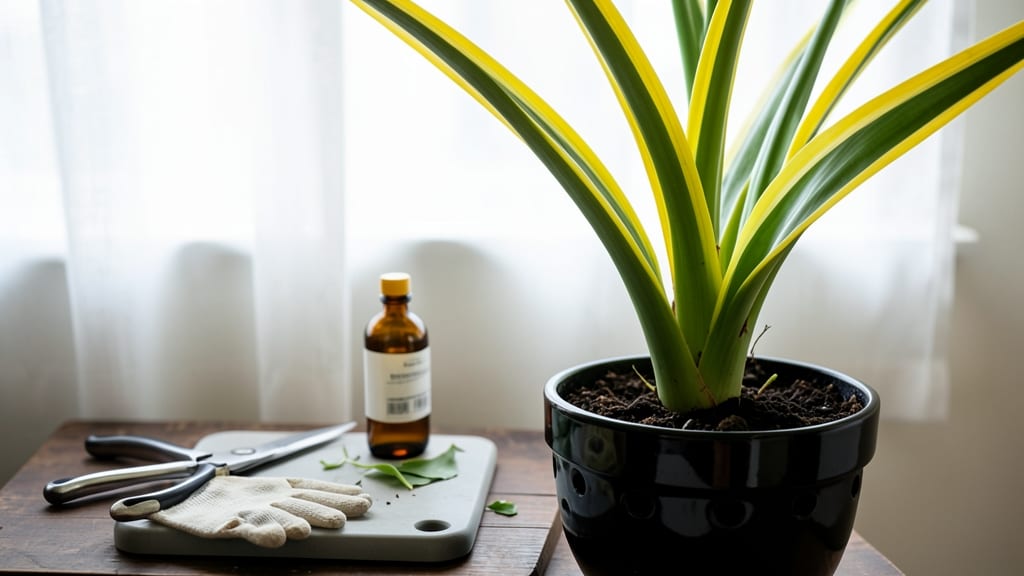
Late winter’s the perfect time to prune your Mexican Bird of Paradise—when the plant’s dormant and ready to burst into new growth. 🌿 I’ve pruned mine for years, and the difference between a well-timed cut and a missed opportunity is dramatic.
This tropical stunner thrives when you shape it properly, encouraging those iconic blooms and keeping the air flowing just right.
The key is cutting back dead or overcrowded canes—look for brown, brittle stems or branches growing inward. Use clean, sharp pruners (or a saw for thick stems) and cut at a 45-degree angle just above a leaf node.
Wear gloves; those thorns pack a punch, and you’ll thank yourself when your hands stay scratch-free.
After pruning, your plant will reward you with lush, vibrant new canes by early spring, and those signature orange and purple blooms will follow. The secret?
Don’t go overboard—remove only what’s necessary to open up the center. Over-pruning stresses the plant, and you’ll end up with fewer flowers than you want.
This method works for USDA zones 9-11, where the plant thrives outdoors year-round, but even in cooler climates, container-grown Mexican Bird of Paradise benefits from the same pruning routine. Just move it indoors before frost, and you’ll keep it happy through winter too.
📚 In This Guide
- What you need
- Instructions
- Tips and common mistakes
- Wrapping up and next steps
What you need
- ● Pruning shears or bypass pruners – Choose sharp, bypass-style shears (not anvil-type) to avoid crushing stems. Look for 5-inch blades for medium canes.
- ● Loppers – For thicker canes (½-inch diameter or larger). Opt for long-handled (24-30 inches) for reach and leverage.
- ● Hand pruners (felco or similar) – For smaller branches and deadheading (if needed). Bypass-style is a must!
- ● Disinfectant (70% isopropyl alcohol or bleach solution) – 1 part bleach to 9 parts water to sterilize tools between cuts and prevent disease.
- ● Garden gloves – Heavy-duty, cut-resistant (e.g., mechanix or nitrile-coated) to protect against thorns.
- ○ Sharpie or permanent marker – For marking canes to track growth (optional but helpful).
- ● Saw (pruning or handsaw) – For very thick canes (>1-inch diameter) that pruners can’t handle.
- ● Sealant (pruning sealant or wound dressing) – Apply to large cuts in dry, cold climates (Zones 9-11) to prevent sap loss.
- ● Compost bin or bag – For disposing of pruned branches (avoid composting if diseased).
- ● Extension pole – If your plant is tall (6+ feet), a 3-4 foot pole with a pruner attachment saves your back!
Step-by-step guide to pruning Mexican Bird of Paradise
Timing and technique matter most—here’s how to prune for stronger canes and lush foliage.
✂️ Step 1: Wait for the Right Time to Prune
Spring is your best window—after the last frost when temperatures stay above 50°F for at least a week. This gives the plant energy to recover before summer heat. Look for new growth at the base of the plant; that’s your signal the dormant season is over and pruning won’t stress it.
If you’re in a warmer climate (zones 9-11), prune in early spring before the first flush of new leaves appears. In cooler zones (7-8), wait until late spring when you see fresh shoots emerging. Pruning too early can leave the plant vulnerable to cold damage, while waiting too long risks overcrowded canes.
🌿 Step 2: Identify and Remove Dead or Weak Canes
Start by inspecting the plant for canes that are brown, brittle, or completely leafless—these are dead and should be cut at the base with clean, sharp pruners. Angle the cut slightly to prevent water from pooling. Next, look for thin, leggy canes with sparse leaves; these won’t contribute much and can be trimmed back to encourage thicker, healthier growth.
Don’t rush—take your time to spot hidden damage. Run your fingers along the stems to check for soft or hollow spots, which indicate disease. Remove any canes growing at odd angles or rubbing against others; this prevents wounds that attract pests. You’ll know you’re on the right track when you’re left with 3-5 strong, upright canes per plant.
✂️ Step 3: Trim Back Overgrown or Crowded Canes
Focus on canes that are too tall or growing too close together. Use your pruners to cut just above a leaf node (the bump where leaves or branches emerge). This encourages branching and a fuller shape. For very tall canes, you can trim them by one-third to promote bushier growth and easier access to sunlight for lower leaves.
Here’s the thing—avoid cutting into old wood (the woody, brown stems). New growth emerges from the green, flexible parts of the cane. If you’re unsure, make a small cut and check the color inside. If it’s green, you’re good; if it’s brown, stop and choose a different spot. After trimming, step back and visualize the plant’s new shape—it should look balanced, not top-heavy.
🌱 Step 4: Clean Up and Encourage New Growth
After pruning, remove all debris from the area to prevent fungal diseases. Dispose of clippings in the trash (not the compost) unless they’re completely disease-free. Now, give the plant a light fertilizer with a higher nitrogen content to support new leaf growth. Water deeply at the base, but avoid wetting the leaves to reduce the risk of mildew.
Watch for fresh shoots emerging from the base within 4-6 weeks. These are your plant’s way of telling you it’s happy and recovering. If you notice yellowing leaves after pruning, it’s usually a sign of over-pruning or stress—adjust by reducing future cuts. In a few months, your Mexican Bird of Paradise will reward you with bold, healthy canes and vibrant foliage.
Tips & tricks for pruning Mexican Bird of Paradise
These simple strategies will help you prune like a pro and keep your plant thriving for years to come.
Climate-Zone Timing: The 50°F minimum temperature rule is non-negotiable—it ensures your plant has enough energy to recover. In cooler zones (7-8), I’ve found that waiting until you see fresh shoots emerging gives the best results. Trust me, that little bit of extra patience prevents stress-related yellowing later. If you’re in zone 9-11, early spring pruning works because your plant wakes up earlier, but don’t rush—wait until those first leaves appear to confirm it’s ready.
Leaf Node Location: Those leaf nodes are your secret weapon for bushier growth. I like to make a small test cut first—just a tiny slice—to check if the inside is green. If it is, you’re in the right spot. Pro tip: The node should be just above where a leaf or branch emerges, about 1/4 inch above the base. This tiny detail makes all the difference in how your plant responds to pruning.
Post-Pruning Care: After you’ve finished cutting, don’t forget the cleanup! I’ve seen fungal issues develop from leaving clippings on the ground, so always dispose of them properly. The 4-6 weeks for new shoots to appear might feel like forever, but it’s worth the wait. During this time, keep an eye out for any yellowing leaves—this is your plant’s way of saying "slow down" or "you cut too much."
Equipment Essentials: Sharp pruners aren’t just a suggestion—they’re a must. Dull blades tear stems, creating jagged wounds that attract pests. I’ve ruined three pruning sessions using dull tools before I learned this lesson. Also, clean your pruners between cuts with rubbing alcohol to prevent spreading disease. A small investment in quality tools will save you headaches down the road.
Pro Tips for Pruning Mexican Bird Of Paradise Plant
- These simple strategies will help you prune like a pro and keep your plant thriving for years to come.
- Climate-Zone Timing: The 50°F minimum temperature rule is non-negotiable—it ensures your plant has enough energy to recover.
- Leaf Node Location: Those leaf nodes are your secret weapon for bushier growth.
Frequently asked questions
When is the best time to prune my Mexican Bird of Paradise?
The ideal time is late winter or early spring (just before new growth starts) in USDA Zones 9-11. This aligns with its dormant period and minimizes stress. In warmer climates (Zones 10-11), you can prune lightly after flowering (summer) to shape the plant, but avoid heavy cuts. Never prune in fall—it disrupts winter prep!
How often should I prune my Mexican Bird of Paradise?
Prune once a year for maintenance (late winter/early spring) and lightly after flowering (summer) if needed for shape. Over-pruning weakens the plant—focus on removing dead, diseased, or crossing canes (max 20-30% of foliage). Pro tip: If your plant looks leggy, prune 1/3 of the oldest canes to encourage bushier growth.
What if I prune at the wrong time? Will my plant die?
Your plant won’t die from a bad pruning time, but it may struggle to recover. Pruning in fall or winter (in cooler zones) can delay spring growth, while summer pruning may stress it before winter. If you accidentally prune too late, water deeply and avoid fertilizing until new growth appears. Signs of stress: Yellow leaves or stunted blooms—trim back only if necessary!
Can I prune my Mexican Bird of Paradise too much?
Yes! Over-pruning (removing >30% of foliage or all canes at once) can shock the plant, leading to fewer flowers, weak regrowth, or even death in extreme cases. Rule of thumb: Never cut more than 1/3 of the plant’s height in one session. Prioritize dead wood first, then shape. Pro move: Use sterilized tools to prevent disease!
What should I do with the pruned branches?
Pruned branches can be repurposed or composted:
- Compost: Chop small branches and add to your compost pile (they break down slowly).
- Propagation: Root hardwood cuttings (6+ inches) in perlite/sand mix for new plants!
- Mulch: Shred larger branches for garden mulch (avoid diseased wood).
- Recycle: Dispose of diseased branches in yard waste (don’t compost).
Why did my Mexican Bird of Paradise stop flowering after pruning?
Flowering may drop if you pruned too late in the season (cut back new growth) or removed too many canes. Solution:
- Wait until next spring for heavy pruning.
- Fertilize lightly with low-nitrogen, high-phosphorus (e.g., 5-10-10) to boost blooms.
- Ensure it gets 6+ hours of sun—shady spots reduce flowering.
Wrapping up and next steps
Pruning your Mexican Bird of Paradise isn’t just about aesthetics—it’s a lifeline for healthier canes and vibrant blooms! 🌿 By following climate-zone timing and the right techniques, you’ll encourage lush growth, prevent disease, and keep your plant thriving for years.
Whether you’re a newbie or a seasoned gardener, every trim brings you closer to a stunning, low-maintenance tropical beauty.
Ready to take the next step? Mark your calendar for your zone’s ideal pruning window, gather your tools, and roll up your sleeves! Your plant—and your green thumb—will thank you. Happy pruning! ✂️