
Pruning
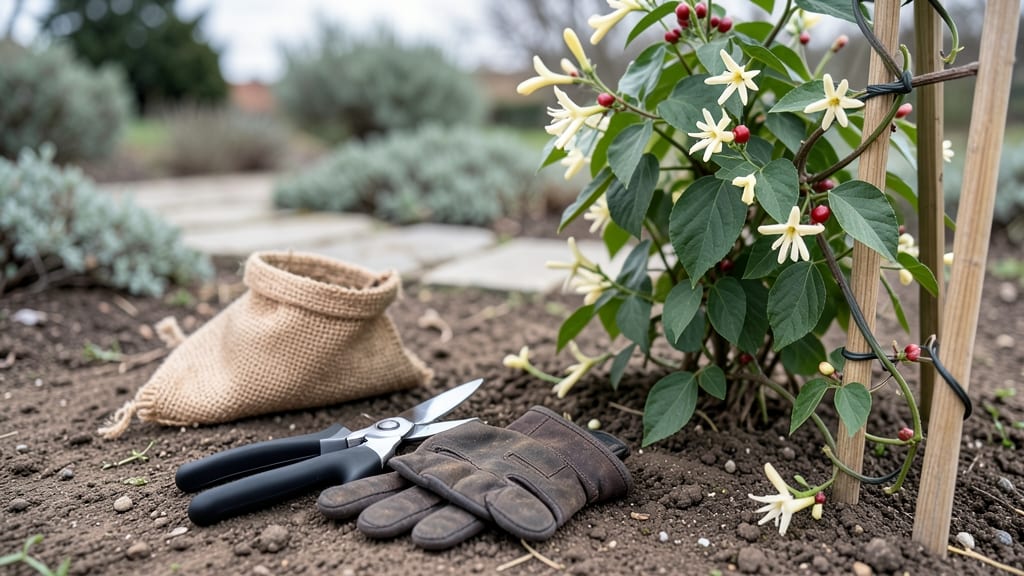
Pruning your Lemony Lace elderberry transforms it from a thorny tangle into a fragrant, fruit-bearing showstopper. ✨ The key is timing—early spring and late winter when the plant is dormant but before buds swell.
I’ve pruned mine for three years now, and the difference in growth and fruit production is night-and-day.
You’ll need sharp bypass pruners, thick gardening gloves (those thorns are no joke), and a clean bucket for clippings. The process takes about 30 minutes for a mature bush, and the goal is simple: remove dead wood, open up the center for airflow, and shape it into a manageable form.
Think of it like giving your plant a haircut—less is more, especially with elderberries.
After pruning, your bush will reward you with more flowers, fewer thorns, and bigger berries by summer. The fragrant blooms attract pollinators, and the fruit stays sweet and abundant. Just avoid cutting into old, thick stems—they won’t regrow, and you’ll stunt the plant’s productivity.
For best results, fertilize lightly after pruning and keep the soil moist but not soggy. A balanced 10-10-10 fertilizer works well, and mulching helps retain moisture. Now, grab those pruners—your fragrant, thorn-free elderberry paradise is waiting.
📚 In This Guide
- What you need
- Instructions
- Tips and common mistakes
- Wrapping up and next steps
What you need
- ● Pruning shears: Bypass pruners (sharp, 7-9" blade) for clean cuts on small branches.
- ● Loppers: Bypass or anvil type (18-24" handle) for thicker branches (½–1.5" diameter).
- ● Pruning saw: Curved-tooth (for branches >1.5" diameter).
- ● Gloves: Heavy-duty, thorn-proof (leather or reinforced fabric).
- ● Disinfectant: 70% isopropyl alcohol or rubbing alcohol (to sterilize tools between cuts).
- ○ Sealing wax or pruning paste: Optional but helpful for larger cuts to prevent disease.
- ● Bucket or bag: For collecting pruned branches (5+ gallon capacity).
- ● Notebook & pen: To track pruning notes (e.g., branch size, direction, or growth patterns).
- ● Extension pole: For hard-to-reach branches (attachable to loppers or shears).
- ● Safety glasses: To protect against debris.
- ● Knee pads: For comfort during ground-level pruning.
- ● Spray bottle with water: To clean tools mid-pruning.
- ● Mulch or compost: To enrich soil after pruning (if amending the base).
Step-by-Step guide to pruning your Lemony Lace elderberry
This fragrant shrub thrives with strategic cuts—here’s how to shape it beautifully year-round.
✂️ Step 1: Early Spring Cleanup (Late February to Early March)
Start by removing all dead, diseased, or crossing branches first—these compete for energy and invite pests. Look for stems that are brown inside when cut open or show blackened patches. I use sharp, clean pruners to make cuts just outside the branch collar (the swollen area where the branch meets the trunk). This prevents unsightly stubs and promotes faster healing.
Next, thin out overcrowded areas to improve airflow. Aim for an open vase shape with the strongest, most vigorous stems. You’ll know you’ve done enough when sunlight can filter through the center to the ground below. For Lemony Lace, which produces fragrant flowers, avoid cutting back more than 25% of the plant in any single season—this variety blooms on old wood, so aggressive pruning reduces next year’s flowers.
✂️ Step 2: Post-Flowering Maintenance (June to July)
After flowering, focus on shaping the shrub while preserving next year’s blooms. Remove any spent flower clusters (they’re not showy on elderberry) and any branches that grew too leggy or weak. I like to step back and visualize the plant’s natural growth pattern—Lemony Lace tends to grow in a slightly weeping habit, so I encourage that shape by cutting back the topmost branches slightly to promote fuller lower growth.
This is also the time to reduce thorns if they’re becoming problematic. Thorns develop on new growth, so prune back the tips of overly spiny branches by one-third to redirect energy into softer, less thorny shoots. Wear gloves—these thorns are sharp! And always sterilize your pruners with rubbing alcohol between cuts to prevent spreading disease.
✂️ Step 3: Light Summer Trimming (August to Early September)
In late summer, give your Lemony Lace a final shape-up before dormancy. Remove any suckers (shoots growing from the base) and water sprouts (vertical shoots growing from the trunk). These divert energy away from the main structure. I use a pair of bypass pruners for clean cuts on branches thicker than ¼ inch—never tear or rip them, as this damages the plant’s vascular system.
For any branches that grew too long or flopped over, cut them back to a strong lateral branch or bud. You’ll see these as small bumps along the stem—cutting just above them encourages new growth in the right direction. Avoid heavy pruning now, as the plant needs time to harden off before winter. A light touch ensures the shrub stores enough energy for next year’s blooms.
✂️ Step 4: Winter Dormancy Pruning (Late November to Early December)
When the plant is fully dormant, do a final check for any remaining dead or damaged wood. Lemony Lace is hardy, but winter winds can break branches, so remove anything that looks brittle or cracked. I also take this opportunity to thin out the oldest stems—these are the ones that produce the most fragrant flowers, but they can become woody and less productive over time. Replace them with younger, more vigorous shoots.
Shape the shrub into a rounded form to protect it from snow accumulation, which can break weak branches. Cut back any stems that grew too close together, leaving at least 6 inches of space between them for airflow. Sterilize your tools again before storing them for the season—this prevents bacterial buildup that could infect fresh cuts in spring.
Tips & tricks for pruning Lemony Lace elderberry
Took me years to perfect this routine—here’s what I’ve learned about keeping your fragrant elderberry thriving without sacrificing next year’s blooms.
Branch Collar Precision: The swollen area where branches meet the trunk (branch collar) is your guidepost. Cutting just outside this point—never flush with it—prevents unsightly stubs and promotes faster healing. I mark the collar with my thumb before cutting to avoid over-trimming. This is especially critical in Step 1 when removing dead wood, where improper cuts can create entry points for disease.
Seasonal Shape Awareness: Your pruning approach changes dramatically with each season. In late winter (Step 1), focus on removing up to 25% of the plant’s volume to maintain airflow and prevent pests. By contrast, summer trimming (Steps 2-3) should be minimal—just enough to encourage the shrub’s natural weeping habit without stressing it before dormancy. I sketch a rough outline of my target shape before starting to avoid over-pruning.
Thorn Management Strategy: Thorns develop on new growth, so your best defense is prevention. In Step 2, prune back overly spiny branches by one-third to redirect energy toward softer shoots. For stubborn thorns, I use long-handled pruners to avoid hand injuries. Always wear gloves—these thorns are sharp enough to puncture through most garden gloves, and I’ve learned that lesson the hard way!
Tool Sanitation Protocol: Sterilizing your pruners between cuts is non-negotiable. I keep a small bottle of rubbing alcohol in my tool belt and wipe blades after every 3-4 cuts, especially when dealing with diseased wood in Step 1. This simple habit prevents bacterial buildup that could infect fresh cuts. For heavy pruning sessions, I even soak my tools in a 10% bleach solution between plants.
Pro Tips for Pruning Lemony Lace Elderberry
- Took me years to perfect this routine—here’s what I’ve learned about keeping your fragrant elderberry thriving without sacrificing next year’s blooms.
- Branch Collar Precision: The swollen area where branches meet the trunk (branch collar) is your guidepost.
- Seasonal Shape Awareness: Your pruning approach changes dramatically with each season.
Frequently asked questions
Got questions about pruning your Lemony Lace Elderberry? You’re not alone!
Here are answers to the most common concerns, from timing to troubleshooting, so you can keep your fragrant, thorn-free beauty thriving year-round.
When is the best time to prune Lemony Lace Elderberry?
The ideal time is late winter or early spring (just before buds swell) to remove dead or weak wood. You can also do light pruning in summer after flowering to shape the plant—but avoid heavy cuts then. Never prune in fall; it invites disease and pests.
How much can I cut back without harming the plant?
For Lemony Lace Elderberry, you can safely remove up to 1/3 of the plant’s total growth per year. Focus on:
- Dead, diseased, or crossing branches
- Suckers at the base
- Overcrowded stems
Why does my elderberry keep growing thorns after pruning?
Thorns are natural for elderberry, but you can minimize them by:
- Pruning just above a leaf node (not into old wood)
- Avoiding heavy cuts in summer (thorns thicken with stress)
- Using sharp tools to prevent jagged cuts that trigger thorn growth
Can I prune Lemony Lace Elderberry the same way as regular elderberry?
While the basics are similar, Lemony Lace is a hybrid with fewer thorns and a more open habit. Focus on:
- Encouraging airflow (unlike dense varieties)
- Light pruning to maintain its ornamental lace-like foliage
- Avoiding aggressive heading cuts (it blooms on new wood)
What should I do if my elderberry doesn’t bloom after pruning?
Lack of blooms usually means:
- Pruning too late (after buds formed)
- Over-pruning (removed too many fruiting stems)
- Poor nutrition (add compost or balanced fertilizer in early spring)
Wrapping up and next steps
Mastering the art of pruning your Lemony Lace Elderberry transforms it into a fragrant, thorn-free haven that rewards you year-round! 🌿 By following seasonal techniques—like open-center shaping in winter, thinning in spring, and light maintenance in summer—you’ll encourage vibrant blooms, luscious berries, and a manageable structure.
Remember, patience and consistency are key: every snip brings you closer to that dreamy, low-maintenance landscape.
Ready to roll up your sleeves? Start small—pick one season to focus on this year, then build your skills. Before you know it, your elderberry will be the star of the garden, bursting with fragrance and beauty. Happy pruning! ✂️💛