Pruning
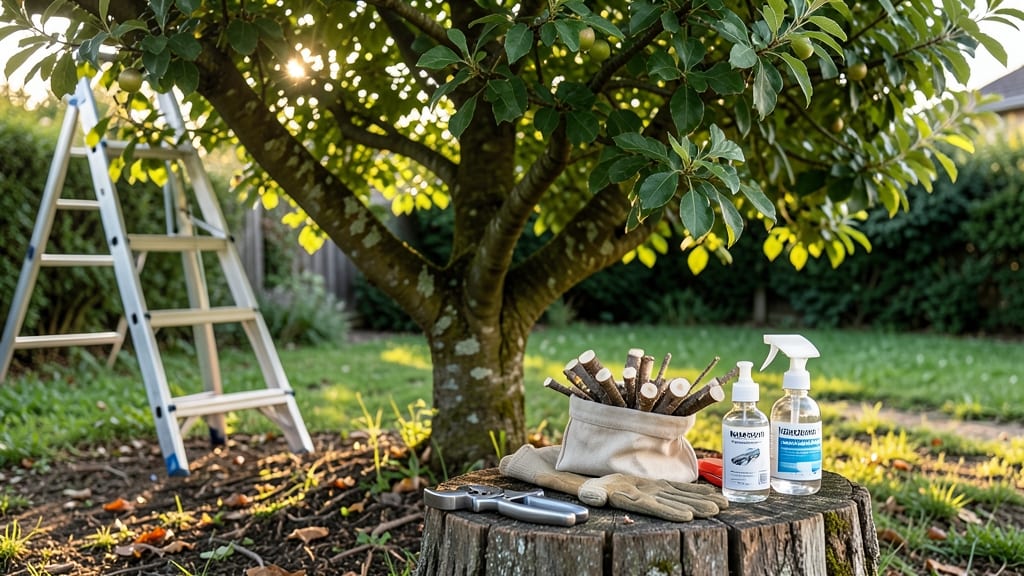
Pruning crab apple trees at the right time makes all the difference—dormant season is your best bet for shaping without stressing the tree. 🌳 I learned the hard way that summer pruning can invite disease, but winter cuts (between late fall and early spring) promote stronger growth and better fruit production.
The key is timing: too early and you risk frost damage; too late and you encourage new growth that won’t harden off before winter.
You’ll need sharp pruners, a saw for thicker branches, and rubbing alcohol to sterilize tools between cuts. Start by removing dead, diseased, or crossing branches—these are the easy wins that improve airflow and sunlight penetration.
For every cut, aim to make it just outside the branch collar, where the branch meets the trunk, to prevent unsightly stubs that can trap moisture and invite rot.
After pruning, your tree should look balanced with an open center that lets light reach all branches. The first year’s cuts might feel dramatic, but you’re setting the stage for healthier branches and more abundant fruit in years to come.
Just avoid taking more than 25% of the canopy in one season—this keeps the tree from getting overwhelmed.
For advanced gardeners, summer pruning can thin out overcrowded branches, but always do it after harvest to avoid stressing the tree. Beginners should stick to dormant-season pruning and focus on cleaning up the structure. Either way, a little planning now means fewer headaches—and more apples—later.
📚 In This Guide
- What you need
- Instructions
- Tips and common mistakes
- Wrapping up and next steps
What you need
- ● Pruning shears (bypass pruners): Sharp, high-quality shears (e.g., Felco or Fiskars) with a 4- to 6-inch blade for cutting branches up to ½-inch thick.
- ● Loppers: A pair with a 6- to 8-inch blade for branches ½- to 1½-inch thick.
- ● Pruning saw: A curved-tooth saw for thicker branches (1½+ inches). Look for models with a 10- to 12-inch blade.
- ● Gloves: Heavy-duty, cut-resistant gloves (e.g., Mechanix or garden gloves with Kevlar) to protect hands from thorns and sharp tools.
- ○ Disinfectant (optional but recommended): A 10% bleach solution (1 part bleach to 9 parts water) or rubbing alcohol (70%+) to sterilize tools between cuts and prevent disease.
- ○ Sealing compound (optional): A tree wound sealant (like Tanglefoot Tree Wound Pruning Sealer) for large cuts (over ½-inch diameter) to reduce risk of infection.
- ● Ladder or step stool: A sturdy, non-slip ladder (e.g., aluminum extension ladder) if the tree exceeds 6-8 feet tall.
- ● Heavy-duty trash bags: For collecting pruned branches and debris (aim for 30-gallon capacity or larger).
- ● Safety gear: Safety glasses (to shield eyes from debris).
- ● Long sleeves/pants (to protect against thorns and sun exposure).
- ● Check the weather: Prune on a dry, calm day (avoid rain or high winds).
- ● Timing matters: Refer to your seasonal pruning chart to align with the tree’s dormancy or active growth phase.
- ● Tool sharpening: Always sharpen blades before starting—dull tools crush branches, causing unnecessary damage. 🔪
- ● Sterilize tools: Wipe down blades with disinfectant before and after pruning to avoid spreading disease. ✨
- ● Plan your cuts: Sketch a rough outline of branches to remove (aim for 20-30% of the canopy max per session).
Step-by-step guide to pruning crab apple trees
Here's the method I rely on to keep your crab apple tree healthy, productive, and beautiful year after year.
✂️ Step 1: Assess the Tree and Gather Tools
Start by examining your tree for dead, diseased, or crossing branches. Look for branches that are gray and brittle (dead wood) or show signs of fungal infection like oozing sap or black spots. I always use clean, sharp pruning tools—dull blades tear wood, inviting disease. A pair of bypass pruners for smaller branches and a pruning saw for thicker limbs over ½ inch in diameter works perfectly.
Wear gloves to protect your hands from thorns and carry a bucket to collect debris. This keeps your workspace tidy and prevents pests from hiding in fallen branches. If you're pruning in wet weather, wait for a dry day—wet wood splinters and is harder to cut cleanly.
⏰ Step 2: Prune for Structure in Late Winter
The best time to shape your crab apple tree is during late winter or early spring, just before buds swell but before new growth starts. This timing prevents stressing the tree when it's actively growing. Focus on removing dead, diseased, or weak wood first—these are your priority cuts. Then, thin out crowded branches to improve airflow and reduce fungal risks.
For structural pruning, remove branches that cross or rub against each other. I aim to create an open center by removing branches that grow inward. Leave the strongest, most vigorous branches that form a natural, balanced shape. Cut just outside the branch collar—the swollen area where the branch meets the trunk—to promote fast healing.
🌿 Step 3: Encourage Fruit Production in Summer
After the tree flowers but before fruit sets, do a light pruning to encourage better fruit production. Remove any water sprouts—those fast-growing, vertical shoots that steal energy from fruit development. Thin out clusters of fruit to 6-8 inches apart on each branch to ensure larger, healthier apples. Overcrowded fruit leads to smaller, misshapen apples and increased disease pressure.
This is also the time to prune any branches that grew too vigorously during the spring flush. Cut back by ⅓ of their length to maintain balance and prevent the tree from becoming top-heavy. Avoid heavy pruning in summer—it stresses the tree and can reduce next year’s fruit set.
✂️ Step 4: Clean Up and Maintain Year-Round
After each pruning session, clean your tools with rubbing alcohol to prevent the spread of disease. Remove all pruned branches from the area—don’t leave them on the ground or in the tree. This prevents pests and diseases from overwintering. If you have a compost pile, you can shred and compost smaller branches, but avoid composting diseased wood.
Throughout the year, keep an eye out for any branches that grow in awkward directions or threaten power lines, buildings, or sidewalks. Address these as needed, but avoid heavy pruning outside of the recommended seasons. A little maintenance goes a long way—your tree will reward you with better shape, healthier growth, and a bountiful harvest of fruit.
Tips & tricks for pruning crab apple trees
These practical insights will help you prune with confidence and keep your tree thriving for years.
Tool Preparation: Always sanitize your pruning tools before and after each use with rubbing alcohol. I learned this the hard way after noticing new fungal spots on branches I'd pruned earlier—clean tools prevent disease spread. For branches over ½ inch thick, use a pruning saw with a fine-toothed blade to make clean cuts that heal faster. Sharp tools make all the difference in preventing jagged wounds that invite pests.
Seasonal Timing Secret: Late winter is your golden window for structural pruning because the tree is dormant but about to wake up. Look for the first signs of bud swell—this is your cue to act before new growth begins. Summer pruning should be light and focused only on water sprouts and fruit thinning. I've seen trees stressed by heavy summer cuts produce half the fruit the next season.
Branch Selection Strategy: When thinning branches, prioritize removing those growing inward to create an open center. This improves airflow and sunlight penetration, which are critical for preventing fungal diseases like apple scab. Always cut just outside the branch collar—never leave a stub. I've watched trees heal beautifully from proper cuts, while improper cuts often lead to weak growth or disease entry points.
Fruit Production Tip: Thin fruit clusters to 6-8 inches apart to ensure each apple gets proper nutrients and sunlight. Overcrowded fruit competes for resources, resulting in smaller, misshapen apples. I've found that removing every other cluster actually increases the overall yield of quality fruit. This also reduces disease pressure since overcrowded fruit traps moisture and encourages fungal growth.
Pro Tips for Pruning Crab Apple Trees
- These practical insights will help you prune with confidence and keep your tree thriving for years.
- Tool Preparation: Always sanitize your pruning tools before and after each use with rubbing alcohol. I learned this t...
- Seasonal Timing Secret: Late winter is your golden window for structural pruning because the tree is dormant but abou...
Frequently asked questions
Got questions about pruning your crab apple tree? You’re not alone!
Here are answers to the most common concerns—from timing to tools—to help you prune like a pro.
When is the best time to prune a crab apple tree?
The ideal window is late winter or early spring (just before buds swell) for structural pruning. Summer pruning (after fruiting) is best for shaping or removing deadwood. Avoid heavy pruning in fall—it stresses trees before winter. Check our seasonal chart for specifics!
Do I need special tools to prune a crab apple tree?
Not necessarily! A sharp bypass pruner (for small branches) and loppers (for thicker limbs) are essential. For larger branches, a pruning saw works. Sterilize tools with rubbing alcohol between cuts to prevent disease. Pro tip: Invest in high-quality tools—they last longer and make pruning easier!
Will pruning reduce my crab apple tree’s fruit yield?
Not if done correctly! Pruning opens the canopy to sunlight, which actually boosts fruit production in healthy trees. However, avoid over-pruning (removing >25% of foliage at once). Focus on removing dead, crossing, or overcrowded branches first. Patience pays off—fruit quality often improves after proper pruning!
What if my crab apple tree isn’t flowering or fruiting after pruning?
Several factors could be at play:
- Age: Young trees (under 5 years) may not fruit yet—give them time!
- Pollination: Crab apples need cross-pollination. Plant a second variety nearby if possible.
- Nutrition: Test soil pH (ideal: 6.0–6.5) and amend with compost or fertilizer if needed.
- Disease/Stress: Yellow leaves or weak growth? Check for pests or root issues.
Can I prune a crab apple tree in fall?
Light pruning (removing deadwood or crossing branches) is safe in fall, but avoid heavy cuts. Fall pruning can invite pests and delay winter hardening. If you must prune, do so 4–6 weeks before the first frost and clean up fallen debris promptly to reduce disease risk.
What’s the difference between “heading back” and “thinning out” crab apple branches?
| Heading Back | Thinning Out |
|---|---|
| Cutting back a branch to a bud or lateral branch to encourage bushier growth. | Removing an entire branch back to its point of origin to improve airflow and light penetration. |
| Best for rejuvenating old wood or shaping. | Best for reducing density and preventing disease. |
Pro tip: Use a mix of both techniques for balanced growth!
Wrapping up and next steps
Pruning your crab apple tree at the right time—whether in late winter for structural shaping or summer for fruit production—can transform its health and beauty. 🌳 With the right tools, techniques, and seasonal timing, you’ll encourage lush blooms, abundant fruit, and a stronger tree for years to come.
Now that you’re armed with the know-how, grab those pruners and get started! For extra confidence, watch a quick tutorial or join a local gardening group to share tips with fellow green thumbs.