
Pruning
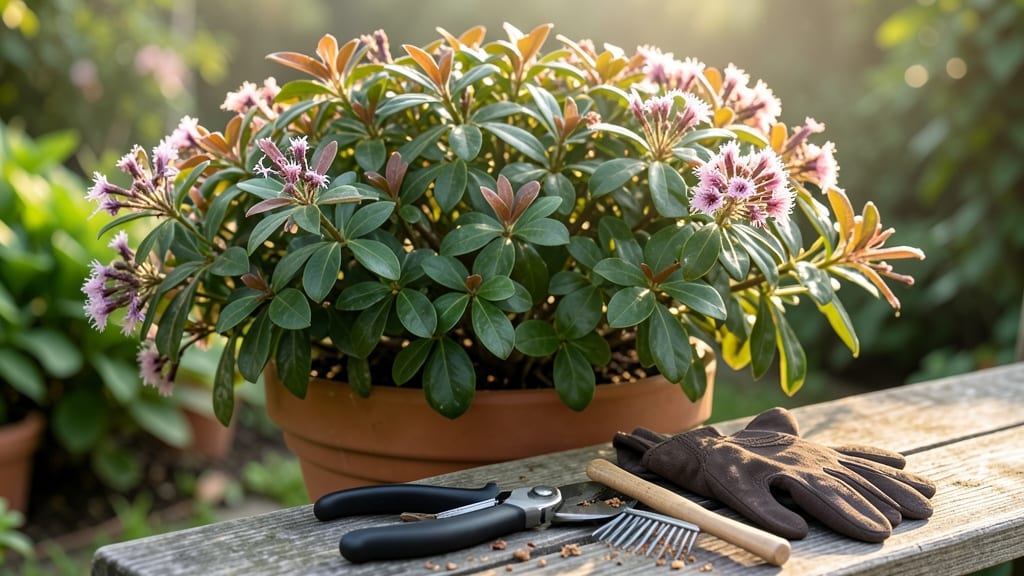
Pruning Chinese fringe flower transforms it from a thorny mess into a fragrant, vibrant shrub that blooms like crazy. ✂️ I learned the hard way—skipping pruning turns this beauty into a tangled jungle, but the right cuts reveal its true potential: glossy leaves, delicate pink blooms, and a shape that draws every neighbor's envy.
The best time is right after flowering, usually in late spring or early summer. Grab your loppers, gloves (those thorns are no joke), and a sharp pair of pruning shears. You'll focus on three key cuts: shaping the canopy, thinning dense growth, and rejuvenating old stems.
Each cut serves a purpose—cleaner air movement, better light penetration, and more flowers next season. After pruning, your shrub will look like it just got a spa day. New growth emerges within weeks, and by next spring, you'll have a thorn-free plant bursting with blooms.
The fragrance alone makes the effort worth it—imagine walking past and catching that sweet, floral scent on the breeze. Works for both new and established plants, and the same principles apply whether you're shaping a small patio specimen or a larger landscape shrub. Let's get those cuts precise!
📚 In This Guide
- What you need
- Instructions
- Tips and common mistakes
- Wrapping up and next steps
What you need
- ● Pruning shears: Sharp, bypass-style shears (2–4 inches blade length) for clean cuts. Dull tools crush stems—avoid this!
- ● Loppers: 1 pair (for thicker branches, 1.5–2 inches in diameter). Look for ratcheting or bypass models.
- ● Hand pruners: Small, anvil-style pruners (for fine-tuning tiny stems). Disinfect with rubbing alcohol between cuts to prevent disease.
- ● Gloves: Heavy-duty, thorn-resistant gardening gloves (Chinese fringe flowers can be spiky!).
- ● Safety glasses: Protect your eyes from debris (especially when pruning dense foliage).
- ○ Pruning sealant: Optional but helpful for larger cuts (e.g., Tanglefoot Tree Wound Pruning Seal) to prevent disease entry.
- ● Disposable pruning bags: 1–2 mesh or paper bags (2–3 gallon size) to collect trimmings.
- ● Ladder or step stool: If your plant is taller than 6 feet, use a stable, non-slip ladder.
- ● Timing: Prune in late winter or early spring (before new growth starts) or right after flowering (summer). Avoid pruning in fall.
- ● Weather: Choose a dry, overcast day to reduce stress on the plant and prevent fungal infections.
- ● Tools prep: Sharpen blades and sterilize tools with 70% isopropyl alcohol or bleach solution (1 part bleach to 9 parts water).
- ● Safety check: Ensure the area around your plant is clear of pets, kids, and flammable materials (pruning debris can spark!).
- ● Hydration: Water the plant 24 hours before pruning to reduce shock (but avoid soggy soil).
- ● Horticultural oil: Spray on tools to prevent rust between uses.
- ● Marking twine: Useful for flagging branches to remove (if you’re tackling a complex shape).
- ● Camera or phone: Snap before/after photos to track progress over time!
How to prune Chinese fringe flower for healthier growth
Here’s how I keep my Chinese fringe flower (Loropetalum chinense) lush, fragrant, and free of thorns—without stressing the plant.
✂️ Step 1: Remove Dead or Diseased Branches First
Start by scanning the plant for any brown, brittle, or hollow stems—these are dead branches that need to go. Use clean, sharp pruners to cut just outside the branch collar (the swollen area where the branch meets the trunk). This prevents unsightly stubs and helps the plant heal faster.
I always work from the bottom up. If a branch is diseased (look for black spots or oozing sap), sterilize your pruners with rubbing alcohol between cuts. Chinese fringe flower is tough, but it won’t recover from spreading infections. Watch for new growth at the base of where you cut—this signals the plant is healing well.
✂️ Step 2: Thin Out Overcrowded or Weak Growth
Next, focus on the interior of the plant where branches cross or grow inward. These crowded stems compete for sunlight and nutrients, leading to weak, thorny growth. Cut back the smaller, thinner branches at their base, leaving only the strongest stems. Aim to create an open, airy canopy—this improves airflow and reduces pests.
I like to step back every few cuts to visualize the shape. If the plant looks top-heavy, I’ll also trim back some of the longer branches by about one-third to encourage bushier growth. You’ll notice the plant’s natural shape emerge as you make these cuts—let that guide you.
✂️ Step 3: Shape the Canopy for Balance and Fragrance
Now it’s time to refine the plant’s form. Focus on the outer edges, cutting back any branches that spoil the symmetry or grow too close to the ground. For a fuller look, trim just above a leaf node (the bump where leaves and branches meet) to encourage new side shoots. This is where the fragrant flowers will bloom most abundantly.
If your plant has developed too many thorns (a sign of stress or overcrowding), pruning back aggressive growth will reduce them over time. Avoid cutting into the thick, woody stems—these won’t regrow. Instead, target the younger, flexible branches. After pruning, the plant will redirect its energy into producing softer, flower-laden growth.
⏰ Step 4: Clean Up and Monitor for New Growth
Once you’ve finished pruning, rake up and dispose of all clippings—don’t leave them on the ground, as they can harbor pests or disease. Wipe down your pruners with a damp cloth to remove sap or debris. Now, give the plant a deep watering to help it recover from the stress of pruning.
Over the next 2-4 weeks, watch for fresh green shoots emerging from the pruned areas. This is your sign the plant is responding well. If you see no new growth after a month, the pruning was too aggressive—next time, cut back even more gradually. With regular pruning, your Chinese fringe flower will reward you with a denser, fragrant canopy and fewer thorns.
Tips & tricks for pruning Chinese fringe flower
Here's what nobody tells you about keeping your Chinese fringe flower thriving after pruning.
Timing is Everything: The best time to prune is right after the plant finishes blooming in late spring or early summer. This gives it the entire growing season to recover and produce new growth before winter dormancy. If you prune in fall, you risk exposing new cuts to harsh winter conditions, which can slow recovery. I've learned this the hard way after seeing plants struggle to regrow after late-season pruning.
Tool Prep Matters: Before you even touch your plant, sterilize your pruners with rubbing alcohol—this isn't optional. I once skipped this step and ended up with a plant that took months to recover because I accidentally spread a fungal infection. Always clean your tools between cuts, especially when dealing with diseased branches. Keep a small bottle of rubbing alcohol handy for quick sterilization between plants if you're working with multiple specimens.
Visual Cues for Pruning: When shaping your plant in Step 3, look for the natural "V" shape formed by the branch and trunk. Cut just above a leaf node where this "V" appears—this is where new growth will emerge most vigorously. The leaf node is that little bump where leaves and branches meet. If you're unsure, make your cut slightly above the node rather than below it, as this encourages upward growth rather than lateral shoots.
Post-Pruning Care: After finishing all your cuts, give your plant a thorough watering to help it recover from the stress. I've found that adding a balanced, water-soluble fertilizer to the water at this stage gives the plant an extra boost. Look for a fertilizer with equal parts nitrogen, phosphorus, and potassium (like a 10-10-10 formula) to support all aspects of growth. This is especially helpful if you notice the plant looking a bit wilted after pruning.
Pro Tips for Pruning Chinese Fringe Flower
- Here's what nobody tells you about keeping your Chinese fringe flower thriving after pruning.
- Timing is Everything: The best time to prune is right after the plant finishes blooming in late spring or early summer.
- Tool Prep Matters: Before you even touch your plant, sterilize your pruners with rubbing alcohol—this isn't optional.
Frequently asked questions
Got questions about pruning your Loropetalum chinense (Chinese fringe flower)? You’re not alone! Here are answers to the most common concerns—from timing to troubleshooting—so you can keep your plant thriving and fragrant.
When is the best time to prune Chinese fringe flower?
Prune in late winter or early spring (before new growth starts) for the best results. Avoid heavy pruning in fall—it can stimulate tender new growth that won’t survive winter. Light shaping in summer is fine, but prioritize spring for major cuts to encourage bushier, thorn-free blooms.
How do I remove thorns safely without getting pricked?
Wear thick gardening gloves and use bypass pruners (not anvil pruners) to avoid crushing stems. Cut just above a leaf node at a 45-degree angle to prevent water pooling. For stubborn thorns, wrap your hand with duct tape or use a thorn-proof sleeve for extra protection. Safety first!
Can I prune Chinese fringe flower too much?
Yes! Over-pruning (cutting back more than 1/3 of the plant) can stress the shrub, reduce flowering, and leave it vulnerable to pests. Aim for selective cuts—focus on dead, crossing, or overcrowded branches. If you’ve already pruned too aggressively, fertilize lightly and monitor for new growth. Patience pays off!
What should I do if my Chinese fringe flower isn’t blooming after pruning?
Bloom issues often stem from nutrient deficiency or improper timing. After pruning, apply a balanced fertilizer (10-10-10) in spring and ensure it gets 6+ hours of sunlight. If blooms are sparse, check for over-fertilizing with nitrogen (which encourages leafy growth over flowers). A light trim in summer can also encourage fall blooms!
Are there alternatives to Chinese fringe flower for low-maintenance hedges?
If you love the Loropetalum look but want easier care, try Abelia (drought-tolerant, blooms reliably) or Dwarf Fothergilla (fragrant flowers, fewer thorns). For thorn-free options, consider Boxwood (Buxus) or Dwarf Gardenia. All three thrive in similar climates but with less pruning fuss!
Wrapping up and next steps
Mastering the art of pruning your Chinese Fringe Flower (Loropetalum) isn’t just about keeping it tidy—it’s about unlocking its full potential!
With the right cuts, you’ll enjoy a thorn-free, fragrant canopy that thrives year after year. 🌿✨ Whether you’re trimming for shape, encouraging blooms, or removing deadwood, remember: patience and precision pay off in lush, vibrant growth.
Ready to take the next step? Grab your pruners, mark your calendar for the ideal timing, and give your Loropetalum the care it deserves. Your fragrant, flourishing garden awaits—you’ve got this! 🌸💪