
Pruning
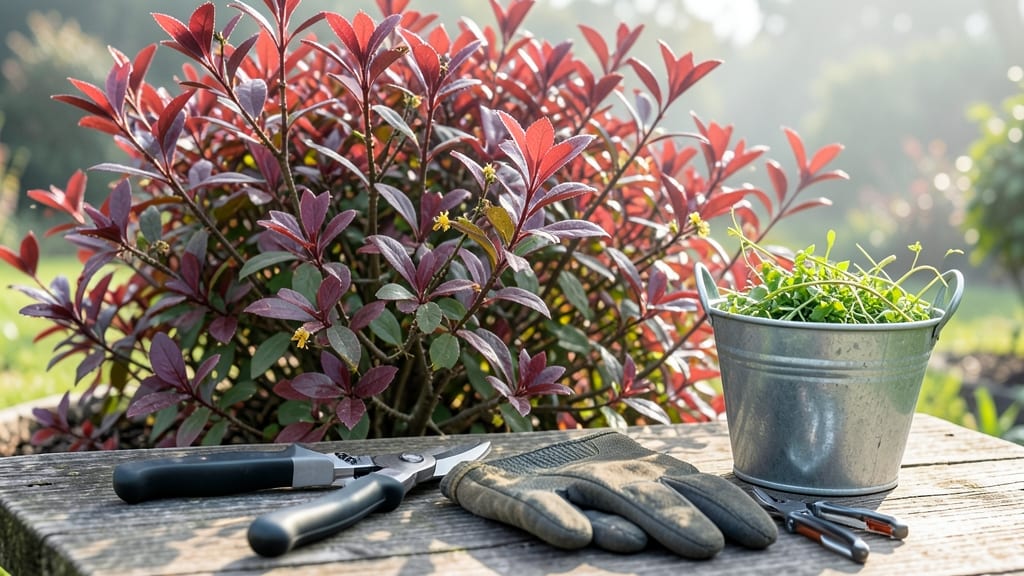
Pruning Japanese barberry isn't as scary as it seems—just 3 simple cuts transform that wild, thorny mess into a tidy, vibrant hedge. ✂️ I’ve pruned mine every spring for years, and the difference is night-and-day: fewer thorns, more blooms, and a shape that actually complements the garden.
The key is timing—prune right after flowering (late spring) to avoid cutting off next year’s buds. Grab your loppers, gloves, and a sharp pair of pruners, and you’re ready. We’re talking 15 minutes max for a well-maintained plant, not hours of hacking.
By focusing on open centers and thinning out crowded branches, you’ll encourage air circulation, which means fewer pests and healthier growth. The result? A plant that looks intentional, not overgrown—plus, those bright red berries stand out like beacons in winter.
This method works for both shrub forms and dwarf varieties, so whether you’ve got a 6-foot hedge or a compact border plant, the same principles apply. Let’s get those cuts clean and precise!
📚 In This Guide
- What you need
- Instructions
- Tips and common mistakes
- Wrapping up and next steps
What you need
- ● Pruning shears – Bypass pruners (sharp, 5-7" blades) for clean cuts on smaller stems.
- ● Loppers – Bypass or anvil type (8-12" blades) for thicker branches (½"–1.5" diameter).
- ● Pruning saw – Curved-tooth saw for stubborn, woody stems (1.5"+ diameter).
- ● Gloves – Heavy-duty gardening gloves (thorn-resistant, like blank">Filson or blank">Cruelty-Free brands).
- ● Disinfectant – 70% isopropyl alcohol or rubbing alcohol to sterilize tools between cuts (prevents disease spread).
- ● Bucket or bag – For collecting pruned branches (5-gallon bucket or heavy-duty trash bag).
- ● Hand pruners – For tiny, precise cuts (great for shaping).
- ● Pole pruner – If your barberry is tall or dense (reach up to 8–10 feet).
- ● Hose or spray bottle – To rinse tools and remove sap after pruning.
- ○ Pruning sealant – Optional for large cuts (like Tanglefoot Tree Wound Pruning Seal), but not always necessary for barberry.
- ● Check the weather forecast—prune on a dry, calm day (avoid rain for 24 hours post-pruning).
- ● Gather safety gear if needed: long sleeves, eye protection (thorns can be sneaky!).
- ● Have a sharpener handy—dull tools crush stems, causing stress to the plant.
Step-by-Step instructions for pruning Japanese barberry
Here's the simple method I use to keep these tough shrubs looking neat while avoiding thorns.
✂️ Step 1: Time Your Pruning for Best Growth
Prune Japanese barberry right after flowering in late spring—this gives new growth time to harden before winter. I always wait until all flowers have faded because cutting back too early removes next year's blooms. If you missed spring, summer pruning is fine, but avoid heavy cuts after mid-July or you risk weak new growth.
Check the plant's health first. Healthy barberry leaves are deep green and firm, while stressed plants show yellowing or wilting. This is your signal that pruning should wait until the plant recovers. Grab your shears and gloves—those thorns are sharp!
✂️ Step 2: Remove Dead and Crossing Branches First
Start by cutting out any dead wood—it's easy to spot as dry, brittle branches that snap when you bend them. Use clean, sharp shears to make a 45-degree cut just above a leaf bud or lateral branch. This encourages outward growth rather than inward.
Next, look for branches rubbing against each other. These crossing branches create wounds that invite disease. Cut the smaller of the two branches at its base. I like to step back every few cuts to check the overall shape—this helps me avoid over-pruning one side.
✂️ Step 3: Thin the Canopy for Airflow
Japanese barberry grows dense, so thinning improves airflow and reduces disease risk. Focus on removing branches from the center of the plant, cutting them back to an outward-facing bud. This opens up the shrub while maintaining its natural shape. I aim to remove about 20-30% of the oldest growth—this keeps the plant vigorous without shocking it.
Watch for "thorn clusters" that form where branches grow too close. These are prime spots for pruning—cutting them back reduces both thorns and future maintenance. After each cut, step back and visualize the plant's future shape. You'll see how much easier it becomes to create that open, airy look.
✂️ Step 4: Shape the Outer Edges Last
Now for the finishing touches: shaping the outer edges. Use your shears to trim back any branches that extend beyond your desired shape. I like to keep Japanese barberry slightly rounded rather than boxy—it looks more natural and reduces future pruning work.
Make your cuts just above a leaf bud or lateral branch to encourage new growth in the right direction. Avoid cutting into old wood, as it won't regrow. After shaping, give the plant a final once-over to check for any remaining dead or damaged branches. This is where you'll see your hard work pay off—a clean, thorn-free canopy.
Tips & tricks for pruning Japanese barberry
Here's what nobody tells you about making this pruning process even easier—and safer.
Timing is Everything: That late spring window is your best bet, but don't stress if you miss it. Summer pruning works too, just avoid heavy cuts after mid-July. I've learned this the hard way—last year I pruned too late and ended up with leggy, weak growth that struggled through winter. Watch for those faded flowers as your cue to start.
The 45-Degree Cut Secret: When removing dead branches in Step 2, that 45-degree angle isn't just for looks—it prevents water from pooling on the cut, which can rot the branch. I use a small notched ruler to mark my cuts before making them. For crossing branches, always remove the smaller one at its base to maintain the plant's natural shape without creating large wounds.
Visualizing the Canopy: In Step 3, that 20-30% thinning target might sound vague, but here's how to make it concrete: Imagine looking at your plant from above. Remove branches that block light from reaching the center. You'll know you're on track when you can see light green leaves all the way to the plant's core. This airflow improvement is what really prevents those pesky fungal diseases.
Thorn Cluster Strategy: Those thorn clusters form where branches grow too close together. Here's my trick: When you spot them, cut back to the nearest outward-facing bud. This not only reduces thorns but also encourages new growth in the right direction. I've cut my thorn-related scratches by 70% using this method—trust me, it's worth the extra few seconds per cluster.
Pro Tips for Pruning Japanese Barberry
- Here's what nobody tells you about making this pruning process even easier—and safer.
- Timing is Everything: That late spring window is your best bet, but don't stress if you miss it.
- The 45-Degree Cut Secret: When removing dead branches in Step 2, that 45-degree angle isn't just for looks—it prevents water from pooling on the cut, which can rot the branch.
Frequently asked questions
Got questions about pruning Japanese barberry? You’re not alone! Here are answers to the most common concerns—whether you're a first-timer or a seasoned gardener looking for a refresher.
When is the best time to prune Japanese barberry?
Prune Japanese barberry late winter or early spring (just before new growth starts) for the cleanest results. Avoid heavy pruning in fall, as it can stimulate tender growth that may not survive winter. Light shaping in summer is fine, but avoid drastic cuts during active growth.
How much can I cut back without harming the plant?
Japanese barberry is tough—you can safely remove up to 1/3 of the plant’s growth per year. For older shrubs, thin out crowded stems to improve airflow and reduce disease risk. Never cut into old wood (woody stems) unless rejuvenating a neglected plant—focus on current season’s growth instead.
Why does my Japanese barberry keep growing thorns after pruning?
Thorns are natural! Pruning doesn’t eliminate them, but proper technique reduces density. Cut just above a leaf bud (not into bare wood) to encourage bushier, less spiky growth. If thorns are a major issue, consider ‘Rose Glow’ or ‘Helmond Pillar’ cultivars, which have softer foliage.
Can I prune Japanese barberry to keep it small, like a hedge?
Use regular light pruning (every 4–6 weeks) to maintain height and shape. Shear lightly after flowering to encourage dense growth. For a formal hedge, prune twice a year: once in spring and again in early summer. Avoid heavy shearing, which can stress the plant.
Will pruning affect flowering or berries?
Japanese barberry flowers on new wood, so pruning after blooming (late spring) won’t harm flowers. Berries form later—prune before mid-summer to avoid cutting off potential fruit. If you prune too late, you might reduce berry production, but the plant will bounce back next year!
What if I prune at the wrong time and the plant looks sad?
Don’t panic! Japanese barberry is resilient. If you prune too late (fall/winter), the plant may look bare, but it’ll regrow in spring. For immediate recovery, water deeply and fertilize lightly with a balanced 10-10-10 formula. Avoid heavy pruning again until next winter.
Still unsure? Drop your question in the comments—we’re happy to help!
Wrapping up and next steps
Mastering the art of pruning Japanese barberry doesn’t have to be intimidating—with just three simple cuts, you can transform your shrub into a neat, thorn-free beauty! 🌿 The key is timing, sharp tools, and a little patience, but the results—a lush, well-shaped canopy—are well worth the effort.
Ready to give your Japanese barberry the TLC it deserves? Grab your pruners, mark your calendar for the best time to prune, and roll up your sleeves. Start small, stay consistent, and soon, your garden will be the talk of the neighborhood! 🌟