
Pruning
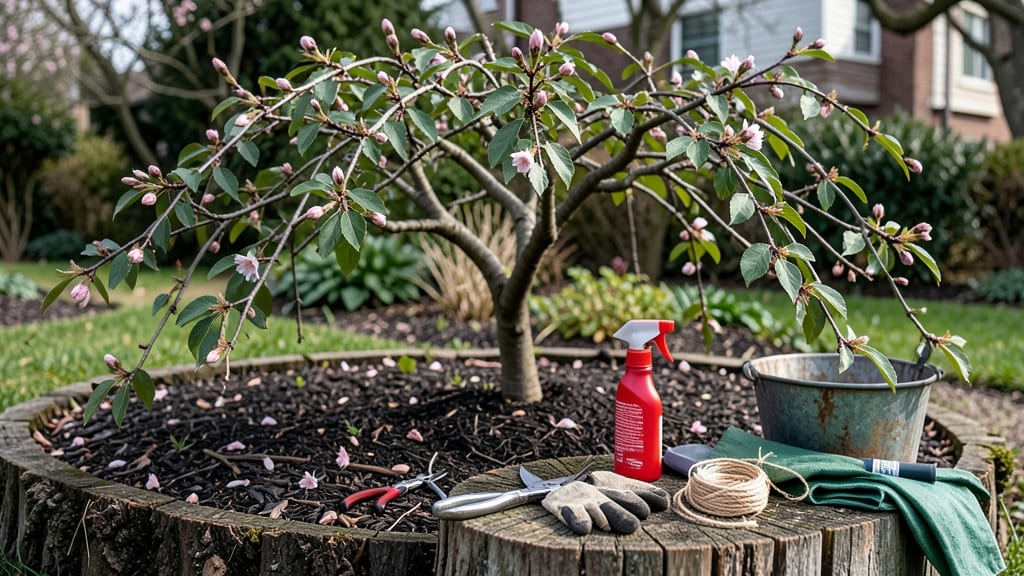
Pruning a weeping cherry tree transforms it from a wild tangle into a graceful, cascading centerpiece. ✂️ The key is timing—dormant season pruning (late winter) shapes the structure, while light summer trims maintain that elegant weeping form.
I’ve pruned mine for five years, and the difference between aggressive cuts and gentle shaping is night and day.
You’ll need sharp bypass pruners, a sturdy ladder, and—most importantly—patience. The goal isn’t to remove branches but to guide them: thin out crowded growth, remove dead wood, and open the canopy for sunlight.
Weeping cherries respond best to gradual shaping, so never take more than 25% of the canopy in one season. The reward? A tree that looks like it belongs in a botanical garden, not just your backyard.
Start by removing any crossing or rubbing branches—they’ll weaken the tree over time. Then, focus on the outer edges to encourage that signature weeping shape. The branches should flow downward naturally, not be forced into rigid lines.
After pruning, the tree will bounce back with fresh, vibrant growth, and you’ll notice fewer broken limbs in storms.
For safety, wear gloves and eye protection—those branches are sharp, and the sap can irritate skin. And here’s the secret: prune when the tree is dormant for the cleanest cuts, but if you miss that window, a light touch in summer still works. The goal is harmony, not perfection.
📚 In This Guide
- What you need
- Instructions
- Tips and common mistakes
- Wrapping up and next steps
What you need
- ● Bypass pruning shears: Sharp, high-quality shears (4–6 inches) for clean cuts on small branches.
- ● Loppers: 8–10-inch loppers for thicker branches (up to 2 inches in diameter). Look for anvil-style (budget-friendly) or bypass-style (precision cuts).
- ● Pruning saw: A curved or folding saw for branches thicker than 2 inches. A bow saw or pruning saw with a fine-tooth blade works best.
- ● Extension pole: A 6–10-foot telescoping pole with a saw or shears attachment for high branches.
- ● Gloves: Heavy-duty, cut-resistant gloves (e.g., mechanics’ gloves or gardening gloves with reinforced palms).
- ● Safety glasses: Protect your eyes from debris with ANSI-rated goggles.
- ● Rubbing alcohol (70%+) or bleach solution: Clean tools between cuts to prevent disease spread (mix 1 part bleach to 9 parts water).
- ● Pruning sealant: A wound dressing (e.g., Tanglefoot Tree Wound Pruning Seal) for large cuts (controversial but useful in some climates).
- ● Ladder: A sturdy, extension ladder (rated for your height needs) with non-slip feet.
- ● Disposable bags or bucket: For collecting pruned branches and debris.
- ● Marking spray or tape: To flag branches for removal (e.g., bright-colored spray paint).
- ● Know your tree’s age: Young weeping cherries (under 5 years) need minimal pruning—focus on shaping.
- ● Check the season: Prune in late winter/early spring (before buds swell) for best results.
- ● Weather conditions: Choose a dry, calm day to avoid slipping or spreading disease.
- ● Tree health: Avoid pruning if the tree is stressed, diseased, or recovering from transplant shock.
Instructions for pruning a weeping cherry tree
Here's my go-to approach for keeping your weeping cherry tree lush and healthy year-round.
✂️ Step 1: Prune in Late Winter or Early Spring
Timing is everything with weeping cherries. I always prune in late winter (just before buds swell) or early spring (as buds begin to open). This gives the tree time to heal before summer heat stress. Avoid pruning in fall—it invites disease and weakens the tree's winter resilience.
Start by removing dead, diseased, or crossing branches first. These are easy to spot—they're either brown and brittle or growing inward toward the center. Use clean, sharp pruning shears to make cuts just outside the branch collar (the swollen area where the branch meets the trunk). I like to sterilize my tools with rubbing alcohol between cuts to prevent spreading any potential infections.
🌿 Step 2: Shape the Tree's Natural Form
Weeping cherries grow best when you let their natural shape guide your cuts. I focus on opening the canopy by thinning out dense branches from the center outward. This improves airflow and sunlight penetration, which prevents fungal issues and encourages blooms. Look for branches that are growing straight up—these often block light from reaching lower branches.
For each branch you remove, follow the "one-third rule"—never cut back more than one-third of the tree's total height in a single year. This prevents shock. Make your cuts at a 45-degree angle just above a bud or side branch. Always cut outward from the tree's center to maintain an open, airy structure. If a branch is too thick for hand shears, use a pruning saw—just be sure to make the cut on the outside of the branch bark ridge.
☀️ Step 3: Maintain Through Summer and Fall
Light maintenance is key after the main pruning. Throughout summer and early fall, I remove any suckers (shoots growing from the base or roots) and water sprouts (fast-growing vertical shoots). These compete with the main branches for energy. Pinch them off with your fingers or trim with shears—no need for fancy tools here.
Watch for deadheading—removing spent blossoms after they fade. This encourages new growth and keeps the tree looking tidy. I also check for diseased or damaged branches that might have appeared during the growing season. If you spot any, remove them immediately and dispose of them in the trash (not the compost)—diseased wood can reinfect your tree.
⏰ Step 4: Light Winter Pruning for Safety
In mid-winter, I do a quick safety check. Remove any branches that look weak, broken, or ice-damaged from storms. These are easy to spot—they often have jagged breaks or large cracks. Make clean cuts just outside the branch collar, just like in the spring pruning. This keeps the tree structurally sound without overstressing it.
Here's the thing—weeping cherries are naturally graceful, so less is more. Avoid heavy pruning in winter unless absolutely necessary. The tree's energy is focused on survival, not new growth. If you're unsure about a cut, err on the side of caution and wait until spring. A well-pruned weeping cherry should have an open, layered look with branches cascading elegantly rather than a dense, bushy appearance.
Tips & tricks for pruning a weeping cherry tree
Less is more with these delicate beauties—here's how to keep your weeping cherry looking effortlessly elegant.
Timing is Everything: Late winter to early spring is your golden window for major pruning because that's when the tree's energy shifts from dormancy to growth. I've seen too many well-intentioned gardeners prune in fall only to watch their trees struggle through winter. The buds swelling signals it's time—wait until you see those tiny green hints emerging. If you must do light maintenance, summer and mid-winter are your secondary options, but never in fall.
Branch Collar Matters: That swollen area where branches meet the trunk isn't just decoration—it's the tree's natural healing zone. Cutting too close (just a few millimeters inside) creates wounds that never close properly. I use a simple trick: make your cut just outside this collar, and you'll see the tree's natural protection system at work. For thicker branches, I mark the collar with a piece of tape before cutting to ensure I don't accidentally cut into it.
Tool Sterilization Prevents Problems: I learned this the hard way after my first tree developed fungal issues. After each cut, especially with diseased branches, I wipe my shears with rubbing alcohol. This 10-second step prevents spreading pathogens between cuts. For really stubborn infections, I'll even dip my tools in a bleach solution (1 part bleach to 9 parts water) between trees. Clean tools mean healthier branches.
Visualize the Cascade: Weeping cherries are all about that graceful, waterfall effect. Before making any cuts, step back and imagine how the branches will flow. I like to sketch a rough outline on paper first—this helps me decide which branches to remove to maintain that elegant, layered look. Remember, you're not creating a bush; you're shaping a living sculpture that should look like it's gently spilling over.
Pro Tips for Pruning A Weeping Cherry
- Less is more with these delicate beauties—here's how to keep your weeping cherry looking effortlessly elegant.
- Timing is Everything: Late winter to early spring is your golden window for major pruning because that's when the tree's energy shifts from dormancy to growth.
- Branch Collar Matters: That swollen area where branches meet the trunk isn't just decoration—it's the tree's natural healing zone.
Frequently asked questions
Got questions about pruning your weeping cherry?
You’re not alone! Here are answers to the most common concerns, from timing to tools and troubleshooting—so you can keep your tree thriving with confidence.
When is the best time to prune a weeping cherry tree?
The ideal window is late winter or early spring (just before buds swell) when the tree is dormant. Avoid heavy pruning in fall—it can encourage new growth that won’t harden off before winter. For minor shaping, summer pruning is fine, but skip it if your area has hot, dry summers.
Can I prune a weeping cherry tree in summer?
Yes, but go light! Summer pruning can stress the tree if overdone, especially in hot climates. Limit cuts to removing dead wood or shaping—avoid heavy pruning. Water deeply after pruning to help the tree recover. If you must prune heavily, split it into two sessions with a month between them.
What if I see blackened or oozing branches after pruning?
That’s a red flag for bacterial canker or silver leaf disease, common in cherries. Act fast: Sterilize tools with rubbing alcohol, prune below the infected area, and dispose of debris. Avoid pruning during wet weather to prevent spreading. For severe cases, consult a local arborist.
Can I prune a weeping cherry tree too much?
Over-pruning weakens the tree, reduces flowering, and can even kill it. Stick to the “rule of thumb”: Never remove more than 25% of the canopy in one year. Weeping cherries are delicate—focus on removing dead wood, crossing branches, and light shaping to maintain their graceful form.
Do I need special tools for pruning a weeping cherry?
Not necessarily! Start with sharp bypass pruners for small branches and a pruning saw for thicker stems. For large trees, loppers or a pole saw help reach high branches safely. Pro tip: Sterilize tools between cuts with 70% isopropyl alcohol to prevent disease spread.
Wrapping up and next steps
Pruning your weeping cherry tree is all about patience, precision, and passion—it ensures your tree stays healthy, vibrant, and stunning year after year! 🌸 By following the seasonal guidelines, using the right tools, and addressing common concerns, you’ll cultivate a tree that’s the envy of every neighborhood.
Now that you’re armed with knowledge, grab those shears and get pruning! Next, why not explore advanced techniques like espalier training or winter care to take your tree’s beauty to the next level?