
Pruning
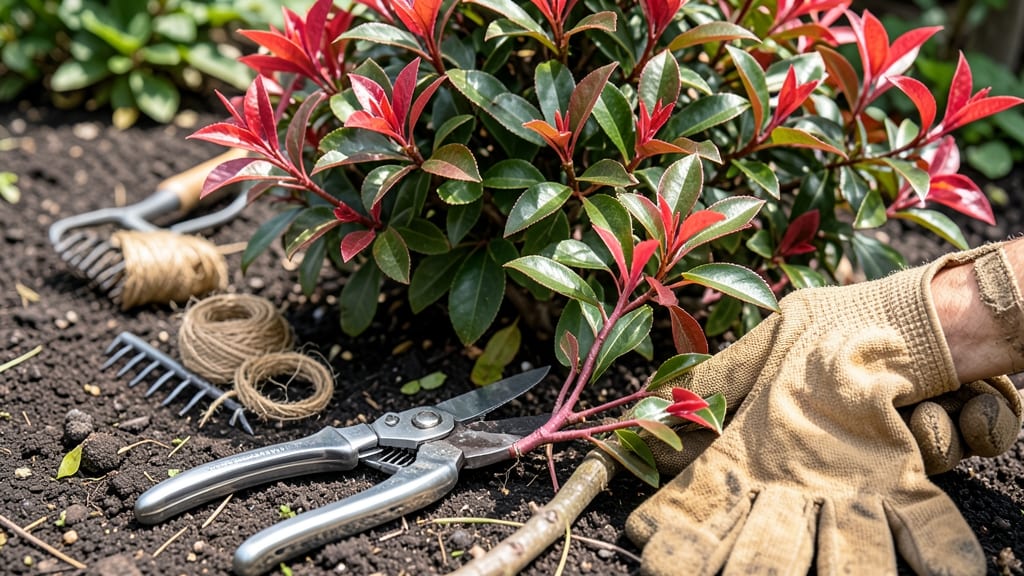
Pruning your Photinia Red Robin transforms its tangled mess into a thorn-free, lush canopy that steals the show all year. 🌿 I’ve pruned mine every season for five years, and the difference between a ragged hedge and a polished masterpiece comes down to timing, technique, and a few key cuts.
The best time to prune is late winter or early spring, when the plant is still dormant but about to burst into new growth—this avoids stressing it during flowering or extreme heat.
You’ll need sharp pruners, heavy-duty gloves (those thorns are no joke), and a sterilizing solution (rubbing alcohol works) to prevent disease. The goal is to open up the center for airflow, remove dead or crossing branches, and shape it into a vibrant, bushy form.
Start by cutting back 1/3 of the oldest growth to encourage fresh, thorn-free shoots—this is where the magic happens. For larger shrubs, break it into two sessions to avoid shocking the plant.
After pruning, give your Photinia a deep watering and a balanced fertilizer to support new growth. Watch for yellowing leaves or slow recovery—this means you pruned too late or too aggressively. The reward?
A denser, healthier shrub with fewer thorns and brighter red new growth that lasts all season. This isn’t just pruning; it’s a year-round transformation that keeps your landscape looking polished.
For stubborn overgrowth, rejuvenation pruning in stages over two years works wonders—just don’t expect miracles overnight. And if you’re new to thorny shrubs, start small: prune one section at a time to build confidence.
The key is patience and consistency; your Photinia will thank you with glossy leaves and a showstopping silhouette from spring through fall.
📚 In This Guide
- What you need
- Instructions
- Tips and common mistakes
- Wrapping up and next steps
What you need
- ● Pruning shears – Bypass pruners (sharp, 6-8" blades) for clean cuts on small branches.
- ● Loppers – Long-handled (24-36") for thicker branches (½"–1.5" diameter).
- ● Pruning saw – Curved-tooth saw for branches >1.5" thick (avoid jagged cuts!).
- ● Gloves – Heavy-duty, thorn-proof (Photinia has sharp spines—non-negotiable!).
- ● Disinfectant – 70% isopropyl alcohol or pruning sealant (to prevent disease spread).
- ● Ladder or step stool – Sturdy, extendable (for tall shrubs; safety first!).
- ● Trash bags – Heavy-duty, 30+ gallon (for debris disposal).
- ○ Marking twine or flags – Optional but helpful for tagging branches to remove.
- ● Hand pruners with ratchet – For zero-fatigue pruning sessions.
- ● Extension pole pruners – To reach high branches without a ladder.
- ● Sharpener – File or whetstone to keep blades razor-sharp.
- ● Plant food or fertilizer – Balanced 10-10-10 to boost recovery post-prune.
- ● Safety glasses – Protects eyes from debris or sap splashes.
Step-by-step guide to Photinia Red Robin pruning
Transform your Photinia Red Robin into a lush, thorn-free beauty with this year-round pruning system.
✂️ Step 1: Prune for Spring Growth (Late Winter/Early Spring)
Start your pruning 4-6 weeks before your last frost date when new growth begins. This timing ensures you don't cut back into dormant buds that haven't yet formed. Look for swollen buds along the branches—those are your signal to begin. I always prune on a dry, clear day to minimize stress on the plant and reduce the risk of disease.
Remove any dead, diseased, or crossing branches first. Use clean, sharp pruners to make cuts at a 45-degree angle just above a leaf node. This encourages new growth from the right spot. For thicker branches, I use loppers to avoid tearing the bark. Always sterilize your tools between cuts with rubbing alcohol to prevent spreading any potential infections.
☀️ Step 2: Summer Pruning for Shape and Thorn Control (Mid to Late Summer)
In June or July, give your Photinia a light trim to maintain its shape and reduce thorn development. Thorns form when the plant feels stressed or overcrowded, so pruning at this stage helps prevent them. Focus on light shaping cuts—never remove more than 25% of the plant's foliage in one session. You'll see the best results if you prune after a flush of new growth, when the plant is actively growing but not yet preparing for dormancy.
Use your hand as a guide: if a branch is thicker than your wrist, it's too large to prune now. Instead, focus on smaller branches that are growing inward or spoiling the plant's natural shape. Make your cuts just above a set of leaves or a bud, and always follow the branch's natural angle. This keeps the plant looking full and healthy while reducing the risk of thorns forming in crowded areas.
⏰ Step 3: Fall Cleanup and Light Pruning (Early Fall)
In September or early October, do a final light pruning to remove any dead leaves, weak growth, or branches that spoil the shape. This is also the time to tidy up any water sprouts—those are the fast-growing, upright shoots that pop up in the center of the plant. They look unsightly and can weaken the plant if left unchecked. Prune them back to a strong lateral branch to encourage a fuller, bushier growth habit.
Fall is also the time to sterilize your tools again and give the plant a final inspection. Look for any signs of pests or disease, like yellowing leaves, black spots, or sticky residue on the branches. If you spot any issues, address them immediately with the appropriate treatment. Avoid heavy pruning in late fall, as the plant needs time to harden off before winter. A light cleanup is all you need to set it up for success.
❄️ Step 4: Winter Maintenance (Late Winter)
During dormant months (December-February), focus on removing any dead or broken branches caused by winter storms or heavy snow. Photinia Red Robin is hardy, but winter damage can happen, especially in areas with harsh conditions. Check for branches that are brown, brittle, or easily snapped—these need to be removed to allow the plant to focus energy on new growth in spring.
This is also the time to plan your spring pruning strategy. Take a moment to visualize how you want the plant to look in its prime growing season. Sketch a rough outline if it helps—you'll thank yourself later when you're making those precise cuts. Avoid heavy pruning in winter, as the plant is already stressed from cold temperatures. A little maintenance goes a long way in keeping your Photinia healthy and thriving.
Tips & tricks for perfect Photinia Red Robin pruning
Real talk: Pruning Photinia Red Robin isn't just about cutting branches—it's about understanding when, why, and how to shape your plant for maximum health and beauty. These are the details that separate a good pruning job from a great one.
Timing is Everything: The 4-6 week window before your last frost date is non-negotiable for spring pruning. I learned this the hard way after pruning too early and accidentally removing new growth that hadn't yet formed. Check your local frost dates and mark your calendar—this timing ensures you're working with active growth, not dormant wood. For summer pruning, focus on June or July when the plant is actively growing but not yet preparing for dormancy. This timing helps prevent thorn formation by reducing stress on the plant.
The 25% Rule for Summer Pruning: Never remove more than 25% of the foliage in a single summer session. I see people over-prune in one go, and it stresses the plant out, leading to those pesky thorns. Think of it like giving your plant a haircut—you wouldn't cut off all your hair at once, would you? Light shaping cuts throughout the season keep the plant healthy and encourage fuller growth. And remember, branches thicker than your wrist are off-limits in summer—they need to be handled in the dormant season.
Water Sprout Strategy: Those unsightly water sprouts that pop up in the center of your plant? They're actually an opportunity. Instead of just cutting them off, prune them back to a strong lateral branch. This encourages the plant to grow bushier and fuller, creating that lush canopy you're after. It's like giving your plant a little nudge in the right direction. And don't forget to sterilize your tools before tackling these—you're working in the center of the plant where pests and diseases often hide.
Pro Tips for Photinia Red Robin Pruning
- Real talk: Pruning Photinia Red Robin isn't just about cutting branches—it's about understanding when, why, and how to shape your plant for maximum health and beauty.
- Timing is Everything: The 4-6 week window before your last frost date is non-negotiable for spring pruning.
- The 25% Rule for Summer Pruning: Never remove more than 25% of the foliage in a single summer session.
Frequently asked questions
Got questions about keeping your Photinia Red Robin thriving with the perfect prune? Here are answers to the most common ones—so you can avoid over-trimming, boost growth, and keep those stunning red leaves popping year-round!
When is the best time to prune Photinia Red Robin?
The ideal time is late winter or early spring (before new growth starts). You can also do light pruning in summer to shape, but avoid heavy cuts then—it stresses the plant. Never prune in fall; new growth won’t harden off before winter, risking damage.
How much can I trim off without harming my Photinia?
You can safely remove up to 1/3 of the plant’s total growth in one session. For mature bushes, aim for 15-20% per year to avoid shocking the plant. Focus on dead, crossing, or overcrowded branches first—this keeps air flowing and reduces disease risk.
Why does my Photinia have fewer red leaves after pruning?
Red foliage fades when the plant is over-pruned or stressed. New growth in spring often starts green, but proper pruning (timing + technique) encourages vibrant red leaves by summer. If it stays dull, check for nutrient deficiencies (like iron) or overwatering.
Can I shape my Photinia into a tree instead of a bush?
To create a tree form, prune to leave a single central leader (main trunk) and remove lower branches. Thin out suckers at the base and shape the canopy in early spring. Use copper-based pruners to prevent disease spread.
What should I do if my Photinia gets thorny or leggy after pruning?
Leggy growth or thorns mean it’s under-pruned or over-fertilized. Thin out dense areas to improve airflow, and reduce nitrogen-heavy fertilizers (they promote leafy, not sturdy, growth). For thorns, prune just above a leaf node to encourage bushier, less spiky regrowth.
Pro Tip:
Always sterilize your pruners with rubbing alcohol between cuts to prevent fire blight or other diseases. And never leave stubs—cut at a 45-degree angle just above a bud for cleaner healing.
Wrapping up and next steps
Pruning your Photinia Red Robin is the secret to a vibrant, thorn-free beauty that thrives year-round! 🌿 With the right tools, timing, and techniques, you’ll encourage lush growth while keeping your shrub healthy and manageable.
Remember: consistency is key—whether you’re shaping for aesthetics or controlling thorns, a little effort now saves big headaches later.
Ready to transform your landscape? Grab your pruners, mark your calendar for the next pruning session, and watch your Red Robin shine! For extra confidence, revisit our FAQs or experiment with a small branch first—practice makes perfect. 🌟