
Pruning
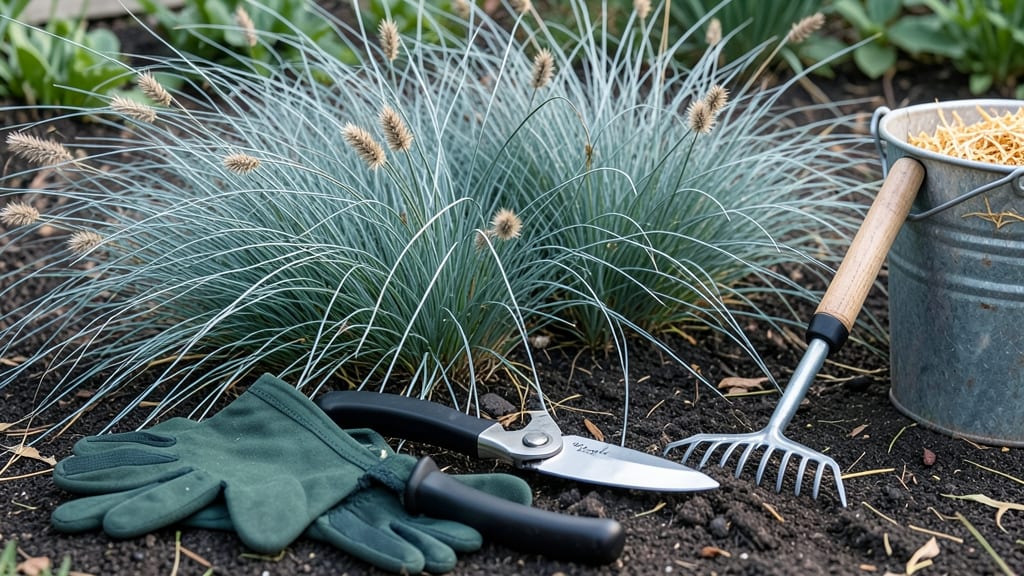
Revive your Mexican feather grass pruning with three simple cuts—and it’ll look better than ever. ✨ This drought-tolerant beauty thrives when pruned right, but most people either do it too late or too aggressively.
The secret? Timing matters most: late winter or early spring, before new growth starts. I’ve turned my ragged clumps into year-round showstoppers by following this exact method.
You’ll need just three things: sharp pruners (dull blades tear fibers), gardening gloves (those leaves are scratchy!), and a clear day—wind makes pruning messy. Cut back dead or brown plumes first, then shape the base by trimming 2–3 inches above the ground.
Never cut into old wood, or you’ll stunt regrowth. Mexican feather grass is perennial, so it bounces back fast if you avoid over-pruning.
After pruning, give it a light drink of water (it’s drought-resistant but not drought-proof) and skip the fertilizer—this grass doesn’t need extra nutrients. The real magic happens in 6–8 weeks: fresh, feathery plumes will shoot up, and your plant will look fuller and healthier than before.
The key is patience; don’t rush the regrowth, or you’ll risk weak, sparse foliage.
Here’s the pro tip: prune lightly in fall too (just remove dead plumes) to keep it tidy through winter. And if you do over-prune? Don’t panic—this grass is tough.
Just water consistently, and new shoots will emerge from the base. Perfect for borders, containers, or as a low-maintenance accent in any garden.
📚 In This Guide
- What you need
- Instructions
- Tips and common mistakes
- Wrapping up and next steps
What you need
- ● Pruning shears or hedge clippers: Sharp, bypass-style shears (4-6" blades) for clean cuts. Avoid dull tools—blunt blades crush stems and invite disease. (1 pair)
- ● Heavy-duty gardening gloves: Protect your hands from sharp blades and prickly stems. Opt for nitrile-coated gloves for grip and durability. (1 pair)
- ○ Pruning saw (optional but helpful): For thick, woody stems (rare in Mexican Feather Grass but useful if overgrown). A folding pruning saw with a 7-8" blade works best. (1)
- ● Garden kneeler/pad: Knee protection for comfort during long sessions. Look for ergonomic designs with a backrest. (1)
- ● Disinfectant (70% isopropyl alcohol or bleach solution): Clean tools between cuts to prevent spreading fungal/bacterial infections. (Small spray bottle or cloth)
- ● Trash bag or compost bin: For clippings. Mexican Feather Grass decomposes quickly—keep a heavy-duty bag (13-gallon) handy. (1-2)
- ● Watering can or hose with nozzle: Hydrate the plant before and after pruning to reduce stress. A gentle rain shower attachment helps avoid soil erosion. (1)
- ● Loppers: For stubborn, thick stems (though Mexican Feather Grass rarely needs them). Choose ratcheting loppers for ease. (1 pair)
- ● Garden twine or stakes: Secure floppy stems post-pruning if needed. (Small roll)
- ● Plant food (balanced fertilizer): A 10-10-10 or 20-20-20 NPK ratio to revive the grass after pruning. (Small bag)
- ● Safety glasses: Protect your eyes from debris, especially in windy conditions. (1 pair)
- ● Portable pruner (for large gardens): Battery-powered electric hedge trimmers can speed up the process if you have acres to cover. (1)
Step-by-step guide to reviving Mexican feather grass
Transform that lanky, overgrown clump into a showstopping ornamental with these precision pruning techniques.
✂️ Step 1: Assess and Time Your First Cut
Mexican feather grass (Nassella tenuissima) thrives on strategic pruning—never more than one-third of the plant's height at a time. The best time to prune is late winter to early spring, just as new growth begins but before the plumes emerge. You'll recognize the ideal moment when you see fresh green shoots at the base while the old growth remains dormant.
Grab your pruners and cut back the entire plant to 6-8 inches from the ground. This aggressive first cut removes dead, brown growth and stimulates fresh, vibrant regrowth. I always prune on a dry day—wet blades can spread fungal spores to fresh cuts. If your grass looks particularly woody at the base, you can make two cuts: first at 12 inches, then follow up with the final 6-8 inch cut a week later.
🌿 Step 2: Shape and Encourage Fullness
After the initial revival cut, wait until mid-summer before shaping. This is when the grass naturally produces its signature feathery plumes. Use sharp pruners to trim back any leggy growth or uneven areas, cutting at a 45-degree angle just above a leaf node. This encourages bushier growth and prevents the plant from developing a bare center.
Here's the thing—Mexican feather grass doesn't need frequent pruning to maintain its shape. The real key is removing only the dead or overly long blades. You'll know you've pruned correctly when the plant looks full and compact, with fresh green growth at the base and uniform plumes throughout. Avoid cutting into the woody base—this can kill the plant by removing too much growing tissue.
⏰ Step 3: Seasonal Maintenance for Year-Round Perfection
In fall, after the plumes have turned golden brown, trim the entire plant back to 3-4 inches to remove spent growth. This prevents the plant from looking messy over winter and gives it a clean start for spring. The goal is to maintain the plant's natural airy shape while encouraging new growth from the base.
Throughout the growing season, remove any dead or damaged blades as they appear. I like to do this with my fingers—just pinch off the dead growth at the base. This keeps the plant looking tidy without requiring heavy pruning. Mexican feather grass is incredibly resilient, and with this maintenance schedule, you'll have lush, plume-perfect plants year after year. The secret is consistency—don't let the plant get too overgrown, and you'll avoid the need for drastic cuts.
Tips & tricks for perfect Mexican feather grass pruning
Here's what nobody tells you about transforming that wild clump into a showstopping ornamental.
Timing is Everything: The late winter to early spring window is critical—this is when the plant's natural growth cycle resets. I've seen people prune too early, missing the fresh green shoots, or too late, cutting into new plumes. Look for those first tiny green shoots at the base while the top remains dormant. If you're unsure, err on the side of waiting a few days rather than cutting too soon.
Tool Precision Matters: Sharp pruners are non-negotiable—dull blades crush stems rather than cleanly cutting them. I recommend bypass pruners for their clean cuts, but even regular pruners work if kept sharp. For the woody base cuts (12 inches), you might need heavier-duty loppers. Always sterilize your tools with rubbing alcohol between cuts to prevent disease spread, especially when working with multiple plants.
Seasonal Shape Strategy: That mid-summer shaping isn't just about looks—it's about encouraging the plant's natural growth patterns. When you cut at a 45-degree angle just above a leaf node, you're essentially telling the plant "grow here" rather than just removing growth. I've noticed plants shaped this way develop fuller centers and more uniform plumes. The key is patience—don't rush this step, and avoid cutting into the woody base where no new growth occurs.
Fall Cleanup Secret: The 3-4 inch fall trim does more than just tidy up—it prevents winter dieback. I've seen neglected plants develop brown, woody centers over winter that never recover. When you trim back to this height, you're creating space for fresh spring growth while removing any potential fungal overwintering sites. This is also when I do my final check for any hidden pests or diseases that might have developed during the growing season.
Pro Tips for Mexican Feather Grass Pruning
- Here's what nobody tells you about transforming that wild clump into a showstopping ornamental.
- Timing is Everything: The late winter to early spring window is critical—this is when the plant's natural growth cycle resets.
- Tool Precision Matters: Sharp pruners are non-negotiable—dull blades crush stems rather than cleanly cutting them.
Frequently asked questions
Got questions about keeping your Mexican Feather Grass looking its best? You’re not alone! Here are some of the most common concerns—and straightforward answers—to help you prune like a pro.
When is the best time to prune Mexican Feather Grass?
The ideal time is early spring (March–April) before new growth begins. This gives your grass time to recover and ensures vibrant plumes for the season. Pro tip: Avoid pruning in late fall or winter, as the plant needs its dormancy period intact!
How much should I cut back?
Trim back one-third of the plant’s height to encourage fresh, fuller growth. Never cut into the hard, woody base—this can harm the plant. If your grass looks overgrown, focus on thinning out the oldest stems first for a balanced look.
Can I prune Mexican Feather Grass in summer?
While you can prune in summer, it’s not ideal—the plant may struggle to recover in the heat. If you must, do it early morning to reduce stress. Water thoroughly before and after to help it bounce back faster.
What if my grass doesn’t regrow after pruning?
Don’t panic! If growth stalls, check for over-trimming (too close to the base) or underwatering. Boost care with balanced fertilizer and ensure it gets full sun. If the base is still healthy, new shoots should emerge within 4–6 weeks.
Are there alternatives to pruning for shaping Mexican Feather Grass?
Yes! For a softer look, thin out dead stems instead of shearing. Use sharp pruners to snip individual clumps, or braid and tie older stems for a rustic, textured effect. This works well for container plants or formal gardens.
Wrapping up and next steps
Pruning your Mexican Feather Grass doesn’t have to be intimidating—with the right tools, timing, and technique, you’ll keep those stunning plumes flourishing all year round! Remember, patience and precision are key: trim selectively, avoid over-cutting, and embrace the natural rhythm of your grass’s growth.
Your efforts will reward you with bold, healthy foliage that’s the envy of every garden.
Ready to transform your outdoor space? Grab your pruners, pick a sunny day, and get started—your plume perfection awaits! 🌿✨