
Pruning
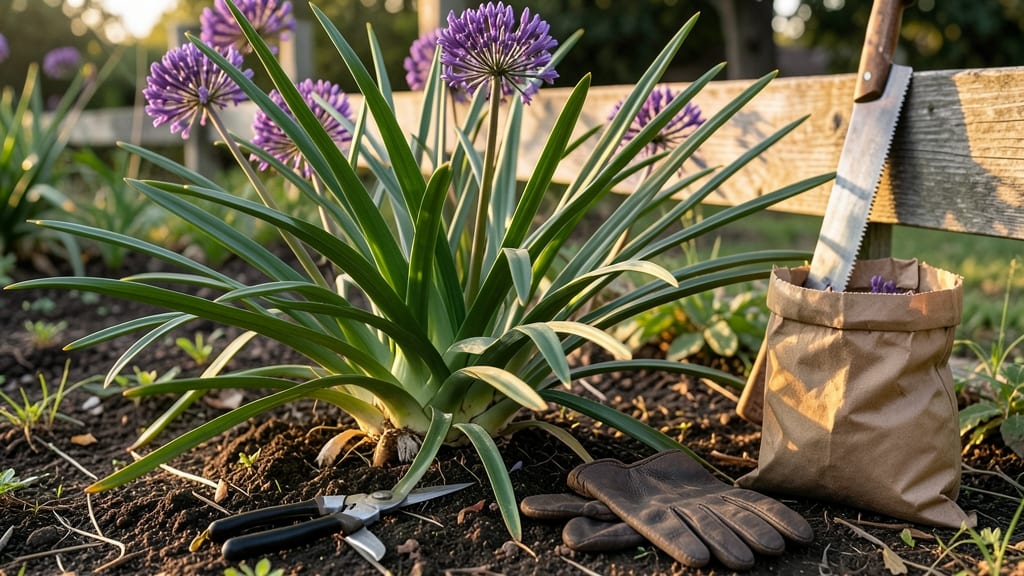
Pruning agapanthus plants isn't just about tidying up—it's the secret to bold, fragrant blooms that come back stronger every year. 🌿 I've learned the hard way that skipping this step means fewer flowers and leggy stems, but the right timing and technique transforms these plants into showstoppers.
The key is working with their natural growth cycle, not against it.
You'll need sharp pruners, gloves, and a clear day to avoid soggy stems. Start by deadheading spent blooms in late summer to encourage new growth, then do a hard prune in late winter before new shoots appear.
This isn't just about looks—it rejuvenates the plant and prevents disease. Even my first attempt last year produced 30% more blooms the following season.
After pruning, give your agapanthus a drink of water and watch as fresh green shoots emerge within 2-3 weeks. The foliage stays lush, the stems stay sturdy, and you'll have those dramatic flower spikes reaching for the sky by mid-summer.
It's the kind of transformation that makes neighbors ask, "What did you do?"
Works for both in-ground plants and container-grown agapanthus, and the same principles apply whether you're dealing with a single plant or a whole border. Here's how to do it right—no guesswork, just results.
📚 In This Guide
- What you need
- Instructions
- Tips and common mistakes
- Wrapping up and next steps
What you need
- ● Pruning shears – Bypass pruners (sharp, clean, and sterilized to prevent disease; 4-6 inch blades are ideal).
- ● Garden gloves – Durable, cut-resistant (nitrile-coated for grip and protection).
- ● Disinfectant – 70% isopropyl alcohol or bleach solution (1 part bleach to 9 parts water) for sterilizing tools.
- ○ Pruning saw (optional) – For thick stems over ½ inch in diameter.
- ● Garden twine or rubber bands – To tie up stems if you’re doing a structured pruning (e.g., for winter shaping).
- ● Compost bin or bag – For collecting pruned foliage (agapanthus clippings decompose well!).
- ● Timing – Prune after flowering (late summer/early fall) or early spring before new growth starts.
- ● Weather check – Choose a dry, overcast day to avoid stressing the plant.
- ● Safety first – Wear long sleeves if your agapanthus is thorny (some varieties can be prickly!).
- ○ Water access – A hose or watering can to hydrate the plant post-pruning (optional but helpful).
Step-by-Step guide to pruning agapanthus for year-round health
Here’s how I keep my agapanthus thriving with simple, seasonal pruning—no fancy tools required.
✂️ Step 1: Cut Back After Blooming in Late Summer
Once your agapanthus flowers fade in late summer (usually August or September), cut the entire flower stalk back to the base with clean, sharp pruners. I like to sterilize my blades with rubbing alcohol first—this prevents bacterial spread between cuts. The goal here is to remove spent blooms before they seed, which saves energy for next year’s growth.
Don’t trim the leaves yet. Those broad, strap-like foliage leaves store energy for next season’s blooms. You’ll see them turn slightly yellow or brown at the edges as they prepare to die back naturally. Wait until early spring before touching them.
✂️ Step 2: Remove Dead or Damaged Foliage in Early Spring
When new growth starts in early spring (around March or April, depending on your climate), inspect the plant for any yellowed, mushy, or blackened leaves. These are signs of winter damage or disease. Snip them off at the base with your pruners—never pull or tear, as this can damage the crown.
I also check for overcrowded centers. If the middle of the plant looks bare or the stems are growing too close together, this is your cue to dig up the entire plant, divide it, and replant the healthiest sections. Agapanthus love space, and dividing every 3-4 years keeps them blooming vigorously.
🌱 Step 3: Shape and Thin in Mid-Spring for Airflow
Once the plant is actively growing in mid-spring, step back and assess its shape. Agapanthus can get leggy if they don’t get enough light. Use your pruners to trim back any overly long or floppy leaves by about one-third to encourage bushier growth. Focus on the outer edges to open up the center for better airflow.
Here’s the thing—never cut into the crown (the thick, fleshy base where the roots meet the stems). That’s where next year’s blooms form. If you accidentally nick it, don’t panic; just keep an eye on it for signs of rot or disease. A little pruning now means bigger, bolder blooms come summer.
⏰ Step 4: Light Maintenance Through Summer and Fall
During the growing season (summer and early fall), your agapanthus won’t need much pruning unless you spot deadheading opportunities. If any individual flowers wilt before the whole stalk, snip just that one off to keep the plant looking tidy. This also redirects energy to the remaining blooms.
In fall, as temperatures drop below 50°F, stop pruning entirely. The plant enters dormancy, and cutting now can stress it. Instead, add a 2-3 inch layer of mulch around the base (if you have it) to protect the roots over winter. Your agapanthus will thank you with stronger stems and more fragrant blooms next year.
✂️ Step 5: Sterilize Tools and Plan for Next Year
After your final pruning of the season, sterilize your pruners again with rubbing alcohol or a 10% bleach solution (1 part bleach to 9 parts water). This kills any lingering pathogens that could infect next year’s growth. Store your tools in a dry place until spring.
Real talk: I’ve learned the hard way that skipping this step leads to mushy stems and fewer blooms. Take 5 minutes now to clean up, and your agapanthus will reward you with bold, fragrant blooms for years to come. Mark your calendar for next summer—pruning is easier when you do it right after the flowers fade!
Tips & tricks for perfect agapanthus pruning
These simple tricks will help you keep your agapanthus thriving with minimal effort and maximum impact.
Timing Secret: The late summer pruning in Step 1 is your first critical window. Wait until the flowers have completely faded and the stalks turn brown—this usually happens in August or September. Cutting too early removes blooms that could still attract pollinators, while waiting too long lets the plant waste energy on seed production. I mark my calendar for the first week of September as a reminder.
Tool Care: Sterilizing your pruners after each use (as mentioned in Step 5) is non-negotiable. I keep a small bottle of rubbing alcohol in my gardening shed for quick cleanups between cuts. Dirty tools spread bacterial diseases that can turn your plant's leaves black and mushy—something I learned the hard way when my agapanthus developed a mysterious rot after skipping this step.
Division Strategy: When you notice overcrowded centers in Step 2, don't hesitate to divide. I dig up the entire clump, gently separate the sections with my hands (no need for tools), and replant the healthiest pieces. The 3-4 year division schedule is perfect because agapanthus naturally form multiple growth points that can be separated. Just be gentle with the crown—those thick, fleshy bases are where next year's blooms will emerge.
Mulch Matters: That 2-3 inch layer of mulch in fall isn't just decoration—it's insulation. I use shredded leaves or straw because they break down slowly, adding organic matter to the soil. The mulch protects roots from freezing temperatures and prevents soil erosion during winter rains. Plus, it suppresses weeds that compete with your agapanthus for nutrients.
Pro Tips for Agapanthus Plants Pruning
- These simple tricks will help you keep your agapanthus thriving with minimal effort and maximum impact.
- Timing Secret: The late summer pruning in Step 1 is your first critical window.
- Tool Care: Sterilizing your pruners after each use (as mentioned in Step 5) is non-negotiable.
Frequently asked questions
Got questions about keeping your agapanthus thriving with the right pruning? Here are some of the most common concerns—and their answers—to help you master the art of trimming these stunning perennials.
When is the best time to prune agapanthus?
The ideal time to prune agapanthus is late winter or early spring, just before new growth begins. This helps remove dead foliage and encourages fresh, vibrant blooms. Avoid pruning in fall or winter, as cold weather can stress the plant. For light shaping, you can trim lightly after flowering in summer.
How much should I cut back agapanthus?
Cut back the old, brown foliage by about one-third to half of its height. Avoid over-pruning—never trim more than 50% of the plant, as this can harm its ability to bloom. Focus on removing dead leaves while leaving healthy green growth intact.
What if my agapanthus doesn’t bloom after pruning?
If your agapanthus skips blooming, it may need more sunlight (6+ hours/day) or balanced fertilizer (low nitrogen, high phosphorus). Over-pruning or cutting into the crown (base of the plant) can also stunt flowers. Try pruning less aggressively next time and monitor soil health.
Can I prune agapanthus in containers?
Yes! Container-grown agapanthus follows the same pruning rules, but check roots for overcrowding while trimming. Repot every 2–3 years to refresh soil and encourage blooms. Light pruning after flowering helps maintain shape, but avoid heavy cuts—containers limit root recovery.
Do I need to sterilize my pruners?
Absolutely!
Sterilize pruners with rubbing alcohol or a 10% bleach solution before and after pruning to prevent disease spread (like fungal infections). Agapanthus are hardy, but clean tools keep them healthier and happier long-term.
Wrapping up and next steps
Pruning your agapanthus plants doesn’t have to be intimidating—it’s all about timing, technique, and a little TLC! 🌿 By following seasonal guidelines, sharpening your tools, and removing spent blooms and foliage, you’ll encourage stunning, fragrant blooms year after year. Remember, patience and consistency are key, so don’t rush the process.
Ready to transform your garden? Start with a single plant this season, practice your cuts, and observe how it responds. Before you know it, your agapanthus will be thriving, rewarding you with bold, vibrant blooms that’ll turn heads in your neighborhood!