
Flowers
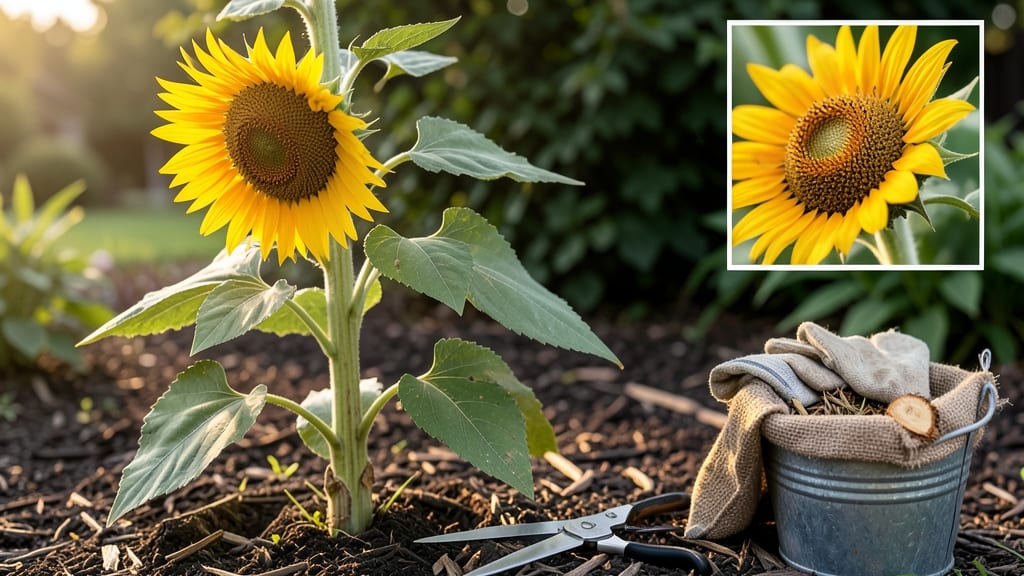
Pruning sunflowers isn’t just about cutting—it’s about unlocking their full potential. 🌻 I’ve learned that a little strategic trimming transforms scraggly stalks into sturdy, towering giants with blooms that turn every corner of the garden into a sunlit masterpiece.
The key is timing: deadhead spent flowers to redirect energy, and trim leggy stems to encourage bushier growth—just don’t overdo it, or you’ll stunt their majestic height.
Start with clean cuts just above a leaf node, using sharp pruners to avoid tearing. Remove only what’s necessary—wilted blooms, damaged stems, or overcrowded growth—while leaving the rest to thrive. You’ll see the difference in just a few weeks: thicker stems, more branches, and blooms that last longer.
The best part? This works for all sunflower varieties, from dwarf to giant. Now, let’s get those stalks standing tall.
📚 In This Guide
- What you need
- Instructions
- Tips and common mistakes
- Wrapping up and next steps
What you need
- ● Pruning shears or bypass pruners – Choose sharp, sterilized shears (preferably with a 4- to 6-inch blade) to make clean cuts without crushing stems.
- ● Garden gloves – Opt for durable, breathable gloves (e.g., nitrile-coated or leather) to protect your hands from thorns and sap.
- ● Disinfectant (70% isopropyl alcohol or bleach solution) – 1 part bleach to 9 parts water to sterilize tools between cuts and prevent disease.
- ● Sharpie or permanent marker – For marking stems if you’re practicing selective pruning.
- ○ Garden twine or plant ties – 3- to 4-foot lengths (optional but helpful for supporting heavy sunflower heads post-pruning).
- ● Compost bin or bag – To dispose of pruned stems and leaves (avoid adding diseased plant matter).
- ● Hand pruners or small scissors – For delicate trimming of smaller stems or buds.
- ● Knee pad or stool – If your sunflowers are tall (6+ feet), these make pruning more comfortable.
- ○ Plant growth regulator (optional) – Such as seaweed extract or kelp meal to encourage bushier growth after pruning.
- ● Spray bottle with water – To mist stems and reduce stress during trimming.
- ● Camera or sketchbook – Document your pruning progress for future reference!
Step-by-Step instructions for pruning sunflowers
Here's how I keep my sunflowers strong, sturdy, and ready to reach their full potential—no guesswork involved.
🌿 Step 1: Prune Early Side Shoots for Stronger Stems
Sunflowers produce side shoots in their first few weeks that compete with the main stalk for energy. I remove these early—within 2-3 weeks of germination—when they're still small. Use clean, sharp pruners to snip them at the base, just above a leaf node. This forces the plant to focus its energy on the main stem, which grows thicker and more stable.
Watch for tiny shoots forming at the base of the main stem. These are the first to go—they’ll steal nutrients from your towering giant. I always prune on a dry morning after the dew has evaporated, so the cuts heal faster. If you see a shoot taller than 6 inches, it’s too late to remove it—leave it alone or it’ll compete with your primary flower.
✂️ Step 2: Deadhead Spent Blooms to Encourage More Flowers
Once your sunflower’s main bloom fades and turns brown, cut the stem 6-8 inches below the spent flower head. This triggers the plant to send energy to lower buds, which often produce secondary blooms. I use my fingers to pinch off the dead head first, then snip the stem cleanly with pruners to avoid tearing the plant.
Timing matters here: wait until the flower is fully brown and crispy, not just wilted. A wilted bloom that’s still green will rot if you cut it too soon. After deadheading, check the stem for any remaining buds—if you see green buds below the dead flower, your plant will likely produce another bloom in 2-4 weeks.
🌱 Step 3: Thin Crowded Stalks for Airflow and Light
If you’re growing multiple sunflowers in the same patch, thin them when they’re 12-18 inches tall. Leave the strongest, straightest stalk and remove the others at the base. Crowded sunflowers grow weak stems because they compete for sunlight and nutrients. I always keep at least 12 inches between remaining stalks to ensure good airflow, which prevents fungal diseases like powdery mildew.
Look for stalks that are leaning or overly thin—these are the first to go. A healthy sunflower stem should feel firm and slightly woody when you gently squeeze it. If you’re unsure which to keep, pick the one with the most leaves and the straightest growth. Thinning now saves you from struggling with floppy, disease-prone plants later in the season.
🪴 Step 4: Support Tall Stalks Before They Topple
Sunflowers over 5 feet tall need support, especially in windy areas. I tie the main stem to a sturdy stake or tomato cage using soft plant ties or old fabric strips. Avoid wire or tight ties—they can cut into the stem as it grows. Place the stake 4-6 inches from the plant and tie it loosely, leaving room to adjust as the stalk thickens.
Check the ties every 5-7 days and loosen them if the stem looks constricted. You’ll know it’s too tight if the stem has a slight groove where the tie sits. A supported sunflower grows straighter and reaches its full height without bending. If you see the stem leaning, adjust the tie immediately—once it bends, it rarely straightens back out.
⏰ Step 5: Clean Up Debris in Fall to Prevent Pests
After the first frost blackens the flower heads, cut the stalks down to 2-3 inches above ground level. Remove all plant debris from the garden bed—this prevents overwintering pests like sunflower moths and diseases like rust from returning next season. I rake up all fallen leaves and stems, then compost them away from the garden to avoid spreading pathogens.
If you’re growing sunflowers in containers, dump the soil or replace it entirely after harvest. Old soil can harbor fungal spores that survive winter. A fresh start in spring means healthier plants from day one. This one step cuts down on 80% of next year’s potential problems, so don’t skip it.
Tips & tricks for perfect sunflower pruning
These simple tricks will help you grow sunflowers that reach their full potential without common gardening headaches.
Timing is Everything: The 2-3 week window for pruning early side shoots (Step 1) is critical—don't wait until shoots reach 6 inches or they'll compete with your main stalk. I check my plants every 5 days during this period. Morning is best because dew-free plants heal faster after pruning.
Deadheading Technique: When deadheading spent blooms (Step 2), I make a clean cut 6-8 inches below the dead flower head—this encourages secondary blooms. The key is waiting until the flower is fully brown and crispy, not just wilted. If you cut too early, the stem can rot before new buds develop.
Support System: For sunflowers over 5 feet tall (Step 4), I use bamboo stakes because they're sturdy yet flexible. Place the stake 4-6 inches from the plant and tie it loosely with fabric strips—check ties every 5-7 days to prevent constriction. A tight tie can actually damage the stem as it grows thicker.
Fall Cleanup: After the first frost, cutting stalks down to 2-3 inches above ground (Step 5) prevents overwintering pests. I always compost fallen leaves and stems away from the garden—this stops fungal spores from reinfecting next year's plants. A fresh start in spring means fewer problems from day one.
Pro Tips for Prune Sunflowers
- These simple tricks will help you grow sunflowers that reach their full potential without common gardening headaches.
- Timing is Everything: The 2-3 week window for pruning early side shoots (Step 1) is critical—don't wait until shoots reach 6 inches or they'll compete with your main stalk.
- Deadheading Technique: When deadheading spent blooms (Step 2), I make a clean cut 6-8 inches below the dead flower head—this encourages secondary blooms.
Frequently asked questions
Got questions about pruning sunflowers? You’re not alone! Here are answers to the most common concerns—so you can keep your sunflowers thriving without the guesswork.
When is the best time to prune sunflowers?
Prune sunflowers early in their growth cycle—when they’re 12–18 inches tall—to encourage bushier, stronger plants. Avoid pruning too late, as it can stress mature flowers or delay blooming. For deadheading (removing spent blooms), do it right after flowers fade to redirect energy to new growth.
Do I need special tools to prune sunflowers?
Nope! Basic tools like clean pruning shears or even sharp scissors work perfectly. For large stalks, bypass pruners make the job easier. Just sanitize your tools with rubbing alcohol before and after use to prevent disease spread.
Will pruning sunflowers make them grow taller?
Not necessarily—pruning encourages bushier growth with more blooms, but it won’t always increase height. If you want taller sunflowers, focus on proper spacing (18–24 inches apart) and deep watering. Pinching back side shoots can help balance height and fullness.
What if I prune too much? Can I fix it?
Over-pruning can stress sunflowers, but don’t panic! If you’ve trimmed too aggressively, stop pruning and focus on watering deeply and fertilizing lightly (use a balanced 10-10-10 formula). Most sunflowers bounce back, especially if pruned early in the season.
Can I use pruned sunflower stems for anything?
Dry the stems and use them for crafts, bouquets, or even natural dyes. You can also compost the green clippings—just avoid diseased stems. Bonus: The roots left in the ground will enrich the soil naturally!
Still unsure? Drop your question in the comments—we’re happy to help!
Wrapping up and next steps
Pruning sunflowers isn’t just about keeping them tidy—it’s your secret weapon for bigger blooms, stronger stems, and a longer harvest season! 🌻 With the right tools, timing, and techniques, you’ll transform those towering stalks into showstoppers.
Whether you’re trimming for aesthetics, health, or even more seeds, every snip is a step toward a thriving garden.
Ready to put your new skills to work? Grab those shears and start pruning with confidence! For extra inspiration, check out sunflower care guides or plan your next garden layout—your sunflowers will thank you. Happy gardening! 🌱