
How To
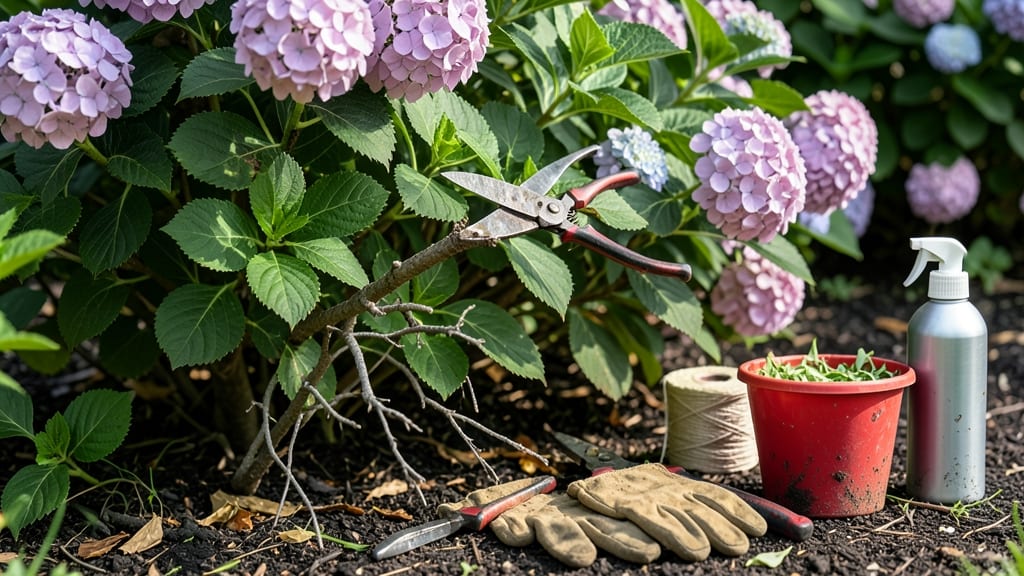
Pruning shrubs isn't just about shaping—it's about reviving their health and encouraging those lush, vibrant canopies we all love. 🌿 I’ve learned that timing, technique, and knowing why you’re cutting make all the difference, especially when you’re dealing with flowering types like hydrangeas versus non-bloomers like boxwoods.
The secret? Prune flowering shrubs after they bloom to preserve next year’s flowers, while evergreens and non-flowering types can handle a light trim anytime.
Grab your bypass pruners, sanitize the blades with rubbing alcohol (trust me, this prevents disease), and start with a 30-minute assessment of what needs attention—dead wood first, then shaping. You’ll see the difference in just a few weeks.
📚 In This Guide
- What you need
- Instructions
- Tips and common mistakes
- Wrapping up and next steps
What you need
- ● Pruning Shears: Bypass pruners (for clean cuts on small branches, blank">5-7 inches blade length, sharp and rust-resistant). Quantity: 1 pair.
- ● Loppers: Bypass or anvil type (for thicker branches, blank">8-12 inches blade length, with a long handle for leverage). Quantity: 1 pair.
- ● Pruning Saw: Curved blade (for large branches, 12-18 inches long, with a comfortable grip). Quantity: 1.
- ● Gloves: Heavy-duty, cut-resistant (to protect hands from thorns and sharp edges). Quantity: 1 pair.
- ● Safety Glasses: (to shield eyes from debris). Quantity: 1 pair.
- ● Disinfectant: Rubbing alcohol (70% or higher) or bleach solution (1 part bleach to 9 parts water) (to sterilize tools between cuts and prevent disease spread).
- ● Ladder or Step Stool: (for reaching higher branches safely; ensure it’s sturdy and stable).
- ● Garden Twine or Zip Ties: (to secure branches during pruning or for training young shrubs).
- ○ Pruning Sealant: (optional for sealing large cuts on woody shrubs to prevent disease).
- ● Work Bag or Bucket: (to collect pruned branches for disposal or composting).
- ● Check the weather forecast—prune on a dry, calm day to avoid spreading disease or damaging tools.
- ● Review your shrub’s pruning needs (e.g., flowering time, growth habit) to avoid pruning at the wrong time.
- ● Have a clear workspace: Remove weeds, debris, or obstacles around the shrub.
- ● Wear comfortable clothing: Long sleeves and pants protect against scratches or thorns.
Step-by-Step instructions for pruning shrubs
Here's my foolproof method for pruning shrubs that keeps them lush, healthy, and full of new growth year-round.
✂️ Step 1: Choose the Right Time and Tools
Timing matters—most shrubs benefit from pruning right after their spring flush of new growth, but evergreens and flowering shrubs often need different timing. For deciduous shrubs, late winter or early spring is ideal when you can see the branch structure clearly. Gather your tools: sharp bypass pruners for small branches, loppers for medium-sized stems, and a pruning saw for anything thicker than ½ inch.
I always sterilize my tools with rubbing alcohol before starting—this prevents spreading disease from one plant to another. A clean cut heals faster and reduces the risk of infection. If you're pruning multiple shrubs, wipe down the blades between each one. You'll notice the difference in how quickly your plants recover when you use sharp, sanitized tools.
🌿 Step 2: Remove Dead, Diseased, or Damaged Branches
Start by scanning your shrub for any branches that are dead, diseased, or physically damaged. These are your first targets—they won't regrow, and keeping them on the plant wastes energy. Cut these branches back to the main stem or to a healthy lateral bud. If a branch is diseased, dispose of it immediately in the trash, not the compost, to prevent spreading spores.
Look for branches that are crossing or rubbing against each other—these create wounds that invite pests and disease. Remove the smaller of the two branches at its point of origin. You'll see a noticeable improvement in the shrub's overall health once you eliminate these problem branches. This step ensures better airflow and sunlight penetration, which encourages stronger growth.
✂️ Step 3: Thin Out Overcrowded Areas
Next, focus on thinning out the interior of the shrub to improve light penetration and air circulation. Aim to remove about 20-30% of the oldest wood to encourage new growth. Start at the center and work your way out, cutting branches back to a healthy lateral bud or to the main stem. This prevents a "woody" center that can become dense and difficult to manage.
I like to step back every few cuts and visualize the shrub's shape. You want to maintain an open, airy structure rather than a thick, impenetrable mass. If you're unsure whether to cut a branch, ask yourself if it's contributing to the overall form. If it's hidden in the middle, it's likely not doing much for the shrub's appearance or health.
🌱 Step 4: Shape and Maintain the Desired Form
Now it's time to refine the shrub's shape. Most shrubs benefit from a natural, rounded form, but some varieties like boxwoods or topiaries require more structured pruning. Use your pruners to trim back any branches that are growing outward or upward too aggressively. Cut just above a leaf bud or at a 45-degree angle for larger branches to encourage outward growth.
If your shrub has a specific shape in mind, now's the time to bring it out. For example, if you're growing a shrub as a hedge, keep the cuts even and horizontal. For a more relaxed look, allow some natural variation in the height of the branches. The key is to make cuts that encourage the shrub to fill out rather than grow taller. You'll see the results in the next growing season as new shoots emerge.
💧 Step 5: Clean Up and Monitor Progress
After pruning, clean up all the debris from the base of the shrub and dispose of it properly. Leaving clippings on the ground can attract pests and harbor diseases. Water the shrub thoroughly to help it recover from the stress of pruning. This is especially important if you've made significant cuts—hydration helps the plant heal faster.
Keep an eye on your shrub in the weeks following pruning. If you notice any signs of stress, like wilting or yellowing leaves, it might need a bit more time to recover. Most shrubs bounce back quickly, especially if you've pruned at the right time and used clean, sharp tools. Over the next growing season, you'll see a fuller, healthier shrub with better airflow and sunlight penetration.
Tips & tricks for pruning shrubs like a pro
Pruning shrubs isn't just about cutting branches—it's about creating a healthier, more vibrant plant. Here are the insights I've gained from years of trial and error that'll transform your shrubs.
Timing is Everything: For deciduous shrubs, late winter or early spring is ideal because you can see the branch structure clearly and prune just before new growth starts. But here's what nobody tells you—if you're pruning flowering shrubs like lilacs or hydrangeas, wait until right after they bloom. Cutting too early removes next year's flower buds. I learned this the hard way after accidentally pruning my lilacs in February and ending up with no blooms that spring.
The 20-30% Rule for Renewal: When thinning out overcrowded areas in Step 3, focus on removing about 20-30% of the oldest wood. This might seem counterintuitive—why remove so much? Because it forces the shrub to produce new, vigorous growth from the base. I've seen shrubs that were once dense and woody completely transform after just one season of proper thinning. The key is to work from the center outward, making cuts just above healthy lateral buds.
Cutting Angles Matter: When shaping your shrub in Step 4, pay attention to the angle of your cuts. For larger branches over ½ inch thick, make a 45-degree cut just above a leaf bud. This angle prevents water from pooling on the cut surface, which reduces the risk of rot. I've noticed that shrubs pruned with proper angles recover faster and have fewer issues with disease. For smaller branches, a clean cut just above the bud is sufficient—no need to worry about the angle.
Post-Pruning Care: After you've finished pruning, don't just walk away. Clean up all debris from the base immediately to prevent pests and diseases from taking hold. Then, give your shrub a thorough watering—this helps it recover from the stress of pruning. I've found that shrubs watered after pruning show new growth about 2 weeks earlier than those left to fend for themselves. Monitor your shrubs in the weeks following pruning, looking for signs of stress like wilting or yellowing leaves—these are early warnings that your plant might need extra care.
Pro Tips for Prune Shrubs
- Pruning shrubs isn't just about cutting branches—it's about creating a healthier, more vibrant plant.
- Timing is Everything: For deciduous shrubs, late winter or early spring is ideal because you can see the branch structure clearly and prune just before new growth starts.
- The 20-30% Rule for Renewal: When thinning out overcrowded areas in Step 3, focus on removing about 20-30% of the oldest wood.
Frequently asked questions
Got questions about pruning shrubs? You’re not alone—even seasoned gardeners have their moments of uncertainty! Below, we’ve rounded up the most common queries to help you prune like a pro.
When is the best time to prune shrubs?
Timing depends on the shrub type! For spring-blooming varieties (like lilacs or azaleas), prune right after flowering to avoid cutting off next year’s blooms. Summer- or fall-blooming shrubs (e.g., hydrangeas, abelia) can wait until late winter or early spring before buds swell. Evergreens? Light pruning in late winter keeps them tidy.
Do I need special tools to prune shrubs?
Not necessarily! Basic tools like hand pruners (for small branches), loppers (for thicker stems), and hedge shears (for shaping) work for most jobs. For large shrubs, a pruning saw or pole pruner saves time. Just ensure tools are sharp and clean to prevent damage or disease spread.
What if I prune at the wrong time or too much?
Over-pruning can stress shrubs, leading to fewer blooms or stunted growth. If you’ve already cut too much, don’t panic! Focus on removing only dead, diseased, or crossing branches in future sessions. For spring bloomers, never trim more than 1/3 of the shrub in one go. Patience pays off!
Can I prune shrubs in winter?
Winter pruning is safe for dormant shrubs (like boxwoods or hollies), but avoid heavy cuts on spring bloomers—you’ll miss next year’s flowers. Light shaping or removing dead wood is fine, but wait until late winter (just before buds break) for best results. Cold weather also makes it easier to spot problem areas.
How do I prune flowering shrubs without killing the blooms?
It’s all about timing and technique! For spring bloomers, prune immediately after flowers fade to encourage new growth. For repeat bloomers (like butterfly bush), deadhead spent flowers and trim lightly in early summer. Avoid shearing—instead, use selective pruning to shape naturally. Think of it as a haircut for your shrub!
Pro Tip:
If your shrub isn’t blooming well, check your pruning habits! Over-trimming or pruning at the wrong time are top culprits. Observe your shrub’s growth pattern—some (like hydrangeas) need old wood to flower, while others thrive on new growth. When in doubt, prune less and watch how it responds!
Wrapping up and next steps
Pruning shrubs doesn’t have to be intimidating—with the right tools, timing, and techniques, you can transform your landscape into a thriving, well-maintained oasis. 🌿 Whether you’re shaping for aesthetics, encouraging growth, or removing deadwood, the key is patience and precision.
Start small, observe your shrubs’ response, and adjust as you go!
Ready to take the next step? Grab your pruners and schedule a session—your shrubs (and your curb appeal!) will thank you. For extra confidence, watch a few tutorials or consult a local nursery expert before diving in. Happy pruning!