
Pruning
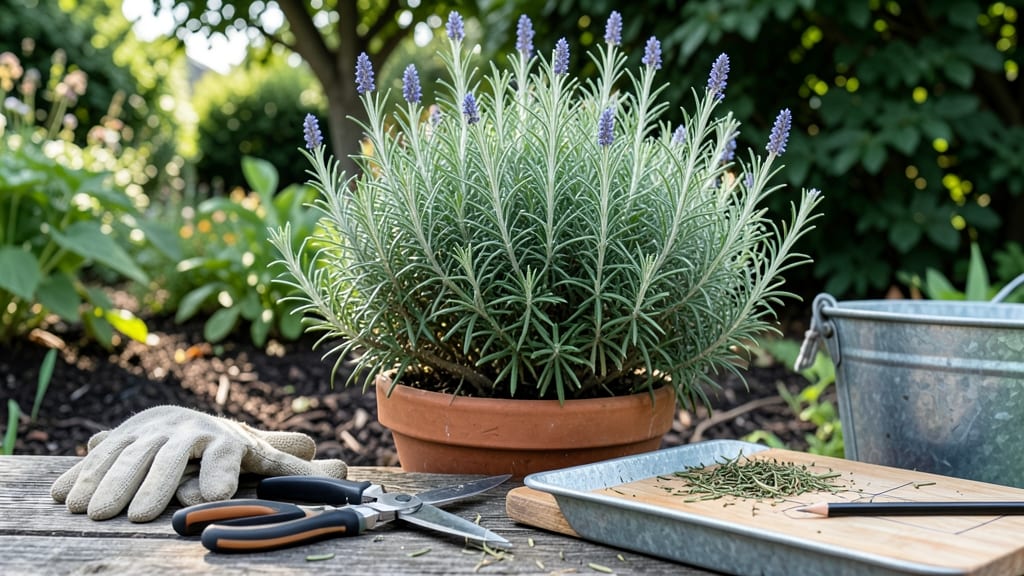
Pruning rosemary plants keeps them fragrant and bushy—not woody and sad. ✂️ I’ve turned my leggy rosemary from a sad stick into a thriving, aromatic bush by mastering the right timing, cuts, and care. The secret? Prune at the right season and focus on new growth.
The best time is late winter or early spring, right before new shoots appear. Use clean, sharp pruners to cut just above a leaf node—never leave stubs. For woody stems, trim back to fresh green growth.
This encourages fuller, softer stems and more of that piney scent we all love. After pruning, your rosemary will bounce back with fresh, fragrant new growth within 4-6 weeks. The key is consistency: a little shaping every few months keeps it lush and prevents that sad, overgrown look.
Just avoid heavy pruning in fall—it stresses the plant before winter. Works for both upright and trailing varieties, and the same rules apply whether you’re growing in pots or the ground. Let’s get those stems looking (and smelling) their best!
📚 In This Guide
- What you need
- Instructions
- Tips and common mistakes
- Wrapping up and next steps
What you need
- ● Clean, sharp pruning shears – Choose bypass pruners (not anvil-type) to avoid crushing stems. Opt for 4- to 6-inch blades for precision.
- ● Hand pruners or small pruning saw – For thicker stems (½ inch or larger), a folding pruning saw with a fine-toothed blade works best.
- ● Disinfectant solution – A 10% bleach-water mix (1 part bleach to 9 parts water) or rubbing alcohol (70% isopropyl) to sterilize tools between cuts.
- ○ Gloves (optional but recommended) – Nitrile or leather gardening gloves to protect hands from thorns and sap.
- ○ Pruning sealant (optional for large cuts) – A tree wound pruning paste to prevent disease in major cuts (e.g., if removing large woody stems).
- ● Gardening kneeling pad – For comfort if pruning low-growing or sprawling rosemary.
- ● Spray bottle with water – To mist tools and cuts if working in dry conditions.
- ● Trash bag or compost bin – For disposing of pruned stems (avoid composting if diseased).
- ● Magnifying glass (for detail-oriented pruners) – Helps spot pests or small growth issues.
- ● Choose the right time – Prune after flowering (late spring to early summer) or in early spring before new growth starts.
- ● Check plant health – Ensure rosemary is disease-free (no brown spots, mold, or wilting).
- ● Water the plant lightly – 1-2 hours before pruning to reduce stress on the plant.
Step-by-Step guide to pruning rosemary for bushy, fragrant growth
Here's how I keep my rosemary lush, aromatic, and free of woody stems—no guesswork involved.
✂️ Step 1: Prune in Early Spring for New Growth
Start your rosemary pruning in early spring when new shoots appear. This is the best time because the plant's energy shifts from dormancy to growth. Use clean, sharp pruning shears to make cuts just above a leaf node—never leave a stub. You'll see fresh green growth emerging from these nodes within 2-3 weeks.
Focus on shaping the plant by trimming back any leggy stems to encourage bushier growth. I like to cut back about one-third of the plant's height at this stage. This might sound aggressive, but rosemary responds well to pruning and will reward you with dense, fragrant foliage. Avoid cutting into old, woody stems—these won't regrow.
✂️ Step 2: Light Pruning After Harvesting in Summer
Throughout the growing season, whenever you harvest rosemary sprigs, make a small cut just above a leaf node rather than snapping stems. This encourages the plant to branch out. After each harvest, inspect the plant for any stems that are growing too long or looking sparse. Trim these back by about half their length to maintain a compact shape.
Summer is also the time to remove any dead or yellowing leaves. These don't contribute to the plant's health and can even attract pests. Use your fingers to pinch off dead leaves rather than cutting with shears—this keeps the process quick and precise. You'll notice the plant looking fresher almost immediately, and the aroma will be stronger.
✂️ Step 3: Minimal Pruning in Late Summer to Prepare for Winter
In late summer, about 6 weeks before your first frost, give your rosemary a final light pruning. This helps harden the new growth and prepares the plant for dormancy. Trim back any overly long stems by about one-quarter, focusing on the outer edges of the plant to maintain its shape. Avoid heavy pruning now—you want the plant to enter winter with enough energy reserves.
Pay attention to the plant's overall health. If you see any stems that have turned woody or brittle, leave them alone—they won't regrow. Instead, concentrate on the softer, green stems. After pruning, give the plant a light watering to help it recover before the colder months. You'll see the plant looking tidy and ready for winter, with a strong foundation for next year's growth.
✂️ Step 4: Clean Up in Early Spring After Winter Dormancy
Once spring arrives and you see new growth emerging from the base of your rosemary, it's time for a final cleanup. Remove any dead or damaged stems by cutting them back to the base. This might seem drastic, but rosemary is resilient and will bounce back quickly. You'll notice fresh green shoots appearing within 1-2 weeks, signaling that the plant is ready for another growing season.
At this stage, you can also trim back any stems that have grown too long over winter. Cut them back by about one-third to encourage a bushier shape. Avoid cutting into old wood—focus on the new, green growth. This final pruning step ensures your rosemary starts the season strong, with plenty of fragrant leaves for cooking and enjoying.
Tips & tricks for pruning rosemary like a pro
Keeping your rosemary bushy and fragrant takes just a few smart moves—here's how to avoid common pitfalls and get the best results.
Timing is Everything: Early spring is your best window for aggressive pruning because that's when rosemary's energy shifts from dormancy to growth. I've learned the hard way that waiting until summer means you're cutting into stems that have already hardened—those won't regrow. Watch for those first tender green shoots in spring as your cue to start. The 2-3 week regrowth window mentioned in Step 1 is your reward for perfect timing!
Tool Check: Never use dull shears—they crush stems instead of making clean cuts. I keep a dedicated pair of pruning shears just for my rosemary, and I sharpen them annually. For the small cuts in Step 2, even clean fingernails work better than dull tools. The key is making precise cuts just above leaf nodes—this is where new growth emerges. A quick visual check: your cut should leave a tiny bump where the new shoot will form.
Seasonal Strategy: In late summer's minimal pruning (Step 3), focus on the plant's outer edges rather than the center. This creates a natural dome shape that protects tender new growth from winter winds. I've seen rosemary plants that were over-pruned in fall struggle to recover—always leave at least half the plant's height intact. That one-quarter trim is about refinement, not drastic changes.
Harvesting Hack: When harvesting sprigs in summer, always make your cut just above a leaf node rather than snapping stems. This might seem tedious at first, but it transforms your rosemary from a single woody stem to a lush, branching bush over time. I've gone from harvesting just a few sprigs to filling my kitchen with fresh rosemary by using this simple technique consistently.
Pro Tips for Prune Rosemary Plant
- Keeping your rosemary bushy and fragrant takes just a few smart moves—here's how to avoid common pitfalls and get the best results.
- Timing is Everything: Early spring is your best window for aggressive pruning because that's when rosemary's energy shifts from dormancy to growth.
- Tool Check: Never use dull shears—they crush stems instead of making clean cuts.
Frequently asked questions
Got questions about pruning rosemary? You’re not alone—this hardy herb can be tricky if you’re new to trimming! Below, we’ve rounded up the most common questions (and answers) to keep your rosemary thriving year-round.
When is the best time to prune rosemary?
Prune rosemary after it flowers in late spring or early summer, or lightly trim in early spring to encourage new growth. Avoid heavy pruning in fall or winter—rosemary is semi-evergreen and needs time to recover before cold snaps. For container-grown plants, you can prune more frequently (every 3–4 months) to maintain shape.
How much should I cut off rosemary when pruning?
Never remove more than one-third of the plant’s height in a single session. For shaping, trim just above a leaf node (the bump where leaves grow) to encourage bushiness. If your rosemary is leggy, cut back to the base of the woody stems—it’ll regrow! Just avoid over-pruning, as rosemary is slow to recover.
Can I prune rosemary in winter?
Light pruning in mild winters (zones 8–10) is fine, but avoid heavy cuts in cold climates (zones 7 and below). Rosemary is drought-tolerant but vulnerable to frost damage. Wait until spring to prune if your plant looks stressed. If you must trim in winter, do so on a dry, sunny day to minimize shock.
What if my rosemary turns woody after pruning?
Woody stems are normal as rosemary matures, but you can rejuvenate it by cutting back hard to the base in early spring. Use clean, sharp shears and remove all dead or yellowed growth first. For severely woody plants, propagate cuttings from the new growth—rosemary roots easily in water or soil!
Should I prune rosemary before or after harvesting?
Prune after harvesting to avoid stressing the plant. If you’re snipping sprigs for cooking, trim just above a leaf node to encourage branching. For large harvests, wait until the plant has recovered (about 2–3 weeks) before pruning. Always leave at least 3–4 inches of growth to sustain the plant.
Wrapping up and next steps
Pruning your rosemary isn’t just about keeping it tidy—it’s the secret to longer, bushier growth and those fragrant, wood-free stems you love. Whether you’re trimming for shape, harvest, or health, the key is consistency and confidence.
Now that you’ve got the know-how, grab those shears and give your rosemary the TLC it deserves!
Ready to take it further? Try propagating those cuttings—you’ll have fresh rosemary plants (and maybe even gifts for friends!) before you know it. Happy pruning! 🌿✂️