
Pruning
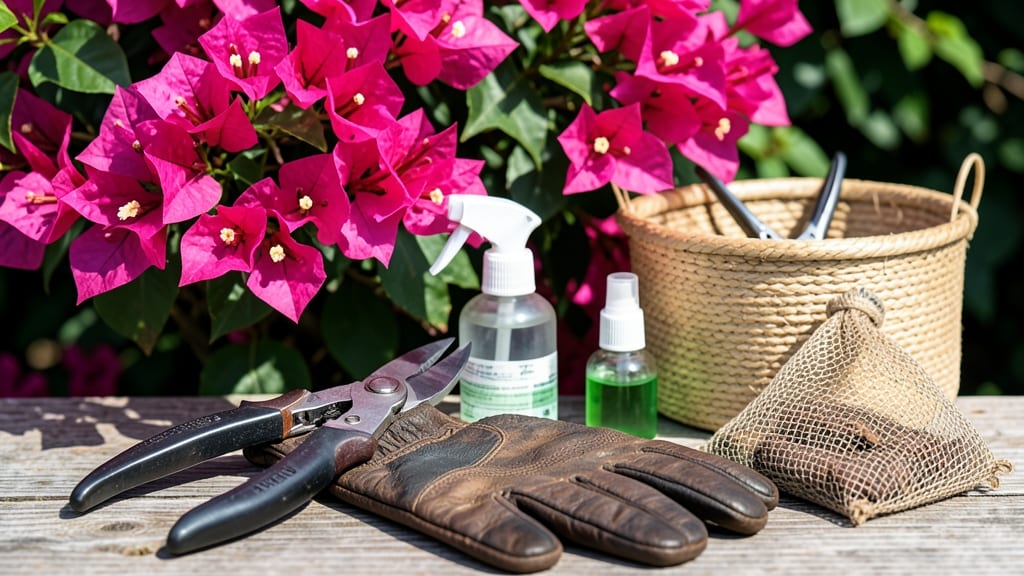
Pruning bougainvillea plants turns scraggly growth into a showstopping cascade of color—if you do it right. 🌸 I’ve watched my once-lanky bougainvillea transform into a vibrant blooming wall after just one strategic trim, and the secret isn’t complicated: timing, technique, and a little patience.
Most gardeners either prune too late (and lose blooms) or too aggressively (and stunt growth), but this method keeps your plant thriving year-round.
The best time to prune depends on your climate, but early spring is ideal for most zones—before new growth begins. You’ll need sharp bypass pruners, gloves (those thorns don’t joke around), and a clear vision for your plant’s shape.
Cut back leggy stems by one-third to encourage bushier growth, and always prune just above a leaf node or bud. Avoid hacking at random; precision keeps your bougainvillea compact and prolific.
After pruning, your bougainvillea will rebound with bold new shoots within weeks, and those vibrant bracts (the colorful parts we call flowers) will return in full force. The key is consistency—light trims every few months maintain shape and blooms, while heavy pruning once a year rejuvenates older plants.
Just remember: bougainvilleas bloom on new wood, so don’t wait until winter to prune—you’ll miss the entire growing season.
For those in cooler climates, a light winter prune (just removing dead or crossing branches) prevents damage when frosts hit. And if you’re new to pruning, start small: one section at a time lets you see how the plant responds before committing.
The result? A bougainvillea so lush, your neighbors will ask for your secrets—and you’ll finally have that year-round burst of color you’ve been dreaming of.
📚 In This Guide
- What you need
- Instructions
- Tips and common mistakes
- Wrapping up and next steps
What you need
- ● Sharp pruning shears or bypass pruners – Choose bypass-style (not anvil) for clean cuts. Opt for 5-inch blades for thicker stems (1/4" to 1" diameter). Disinfect with rubbing alcohol before and after use!
- ● Sterilized pruning saw – A curved-tooth saw (like a Felco F-2) for branches thicker than 1.5 inches. Avoid cheap saws—they tear wood!
- ● Rubbing alcohol (70% or higher) – 1 small bottle (8 oz) to sterilize tools and prevent disease spread.
- ● Garden gloves – Heavy-duty, cut-resistant gloves (e.g., Felco or Husqvarna) to protect from thorns and sharp edges.
- ● Ladder or sturdy step stool – If your bougainvillea is taller than 6 feet, use a lightweight aluminum ladder (rated for your weight) or a foldable step stool with a non-slip base.
- ● Garden twine or zip ties – 1 roll (for securing heavy branches during pruning or training new growth).
- ● Trash bags or bucket – A large, lined container (10+ gallons) to collect pruned branches and debris.
- ● Hand pruners (for small stems) – 4-inch bypass pruners for precision trimming of delicate shoots.
- ○ Pruning sealant (optional) – 1 small tube (like Tanglefoot Pruning Seal) to coat large cuts and prevent sap loss or disease (only for cuts bigger than 1 inch).
- ● Plant food or fertilizer – A balanced, slow-release fertilizer (e.g., 10-10-10) to feed the plant post-pruning (apply 2-4 weeks after trimming).
- ● Safety glasses – Protect your eyes from flying debris, especially when using a saw.
- ● Notebook & pen – To sketch a simple pruning map of your bougainvillea’s shape before and after trimming.
Step-by-Step instructions for pruning a bougainvillea plant
Here's the method I use to keep my bougainvilleas flowering like crazy all year—no dead wood, no leggy growth, just vibrant color.
✂️ Step 1: Time Your Pruning for Maximum Impact
Prune bougainvilleas twice yearly—once in late winter/early spring (just before new growth starts) and again after heavy blooming. This plant blooms on new wood, so cutting back at the right time encourages fresh, vibrant growth. Avoid pruning during active flowering unless you're shaping—you'll sacrifice blooms.
Look for dormant stems that have stopped producing leaves or flowers. These are your first targets. Healthy stems have a green center when cut open, while dead wood feels hollow and dry. I always prune on a bright, dry day to reduce stress on the plant and minimize disease risk from wet cuts.
✂️ Step 2: Use the Right Tools and Technique
Grab your sharp, sterilized pruning shears—dull tools crush stems and invite infection. Make cuts just above a leaf node or bud, at a 45-degree angle. This angled cut helps water run off instead of pooling on the stem. Never leave stubs—bougainvilleas heal better with clean cuts.
For thick stems over ½ inch, use loppers instead. Cut back to a healthy bud or branch, never leaving a bare stem. I like to step back after each cut to visualize the shape—bougainvilleas respond well to bold shaping, but avoid over-pruning more than ⅓ of the plant at once. This ensures you don't shock the plant into dormancy.
🌿 Step 3: Shape for Airflow and Light Penetration
Bougainvilleas thrive when they get full sun and good airflow. After removing dead wood, focus on thinning out crowded branches to let light reach the center. I aim for an open, vase-like shape—this prevents fungal issues and encourages blooms along the entire stem length.
Watch for water sprouts (thin, fast-growing shoots) that pop up between branches. These steal energy from flowering. Snip them off at the base immediately. For dramatic results, you can also prune back one-third of the oldest stems to the ground in spring—this forces fresh, flowering growth from the base.
🌱 Step 4: Post-Pruning Care for Rapid Recovery
Water deeply the day after pruning to help the plant recover. Bougainvilleas are drought-tolerant but need extra moisture after heavy pruning. Apply a balanced, water-soluble fertilizer (10-10-10) diluted to half-strength to encourage new growth. Avoid heavy nitrogen—it promotes leafy growth at the expense of flowers.
Keep an eye out for new growth within 2-3 weeks. If you see only sparse regrowth, your cuts might have been too severe. Bougainvilleas are resilient, but they need time to adjust. Mulch around the base with 2-3 inches of organic mulch to retain moisture and protect roots from temperature swings.
⏰ Step 5: Maintain Year-Round with Light Trims
Between major prunings, do light maintenance every 4-6 weeks. Remove spent blooms and any leggy growth that looks out of place. This keeps the plant compact and encourages continuous flowering. Bougainvilleas bloom best when they're slightly stressed—just enough to push new growth but not so much that they struggle.
In fall, give your bougainvillea a light haircut to tidy up any straggly branches. This prepares it for winter and prevents wind damage. If you live in a cold climate, protect it with burlap wraps or move potted plants to a sheltered spot. Most bougainvilleas handle light frosts, but prolonged cold will kill the plant.
Tips & tricks for perfect bougainvillea pruning
Real talk: Pruning bougainvilleas isn't just about cutting—it's about strategic shaping that keeps your plant blooming nonstop. Here's what nobody tells you about getting it right.
Timing is Everything: The twice-yearly pruning schedule in Step 1 is non-negotiable for continuous blooms. I've learned the hard way that pruning during active flowering (when those gorgeous papery bracts appear) sacrifices future blooms. Mark your calendar for late winter/early spring and again after the main flowering period—this is when the plant naturally shifts energy to new growth. Pro tip: If you missed the spring window, don't panic—just wait until after the current blooms fade before pruning again.
Tool Technique: That 45-degree angle in Step 2 isn't just for looks—it's about plant health. The angled cut prevents water from pooling on the stem, which dramatically reduces fungal infections. I sterilize my pruners between cuts (especially when dealing with diseased stems) by wiping them with rubbing alcohol. For thick stems over ½ inch, loppers give you the leverage to make clean cuts without crushing the stem. And here's a secret: Always cut just above a leaf node or bud—this is where new growth emerges, ensuring your pruning actually stimulates more flowers.
Shape Like a Pro: When shaping in Step 3, think "open vase" rather than "tight ball." Bougainvilleas need that airflow to prevent fungal issues and encourage blooms along the entire stem length. I visualize removing every branch that blocks light from reaching the center. For that one-third pruning of oldest stems mentioned, I always target the largest, thickest stems first—they're the most likely to produce water sprouts that steal energy from flowering. Remember, you're not just pruning for aesthetics; you're creating an environment where the plant can thrive and produce those vibrant blooms.
Recovery Matters: The day-after watering in Step 4 is crucial, but don't overdo it—bougainvilleas are drought-tolerant. I've seen gardeners drown their plants after pruning, thinking they need extra water. Stick to deep watering that penetrates 6-8 inches into the soil. That 2-3 inch mulch layer isn't just for looks—it creates a microclimate that retains moisture and regulates soil temperature, which is especially important in hot climates where bougainvilleas thrive.
Pro Tips for Prune A Bougainvillea Plant
- Real talk: Pruning bougainvilleas isn't just about cutting—it's about strategic shaping that keeps your plant bloomin...
- Timing is Everything: The twice-yearly pruning schedule in Step 1 is non-negotiable for continuous blooms. I've learn...
- Tool Technique: That 45-degree angle in Step 2 isn't just for looks—it's about plant health. The angled cut prevents ...
Frequently asked questions
Got questions about pruning your bougainvillea? You’re not alone! Here are answers to the most common concerns—so you can keep your plant thriving with confidence.
When is the best time to prune bougainvillea?
The ideal time is late winter or early spring (just before new growth starts) for major pruning. Light trimming can happen year-round, but avoid heavy cuts during flowering or extreme heat. Pro tip: Prune after blooms fade to encourage fresh, vibrant flowers!
How much should I cut back a bougainvillea?
For established plants, reduce stems by 1/3 to 1/2 to maintain shape and encourage bushiness. Newer plants can be pruned harder (up to 2/3) to promote branching. Never remove more than 1/3 of the plant at once—this can stress it. Think of it like a haircut: shape, not shear!
What if my bougainvillea isn’t blooming after pruning?
Lack of blooms often means too much shade, over-fertilizing with high-nitrogen feed, or pruning at the wrong time. Bougainvilleas need full sun (6+ hours/day) and balanced fertilizer (low nitrogen, high phosphorus). Also, ensure you’re pruning just above a leaf node—not bare stems!
Can I prune bougainvillea in summer?
Yes, but lightly! Heavy summer pruning can stress the plant and reduce blooms. If you must trim, do it early in the morning or late evening to avoid heat shock. Focus on shaping or removing dead/diseased branches. Water well before and after to help recovery.
Do I need special tools to prune bougainvillea?
Not necessarily! Hand pruners or bypass pruners work for small stems, while loppers or a pruning saw handle thicker branches. Sterilize tools with rubbing alcohol between cuts to prevent disease. A glove is handy—bougainvillea thorns are sharp!
What if I prune too much by accident?
Don’t panic! Bougainvilleas are tough and resilient. If you’ve over-pruned, reduce stress by:
- Watering deeply but infrequently (let soil dry slightly between waterings).
- Avoiding fertilizer for 4–6 weeks to let the plant recover.
- Providing bright, indirect light temporarily if it’s weak.
Wrapping up and next steps
Pruning your bougainvillea doesn’t have to be intimidating—just follow the right timing, tools, and techniques, and you’ll reward yourself with vibrant, long-lasting blooms all year round! 🌸 Whether you’re trimming for shape, encouraging new growth, or controlling size, remember that patience and consistency are key.
Now that you’re armed with the know-how, grab those shears and get pruning—your bougainvillea will thank you with a stunning display of color!
Ready to take it further? Experiment with different pruning styles or explore how to propagate your cuttings to expand your garden! 🌱