
How To
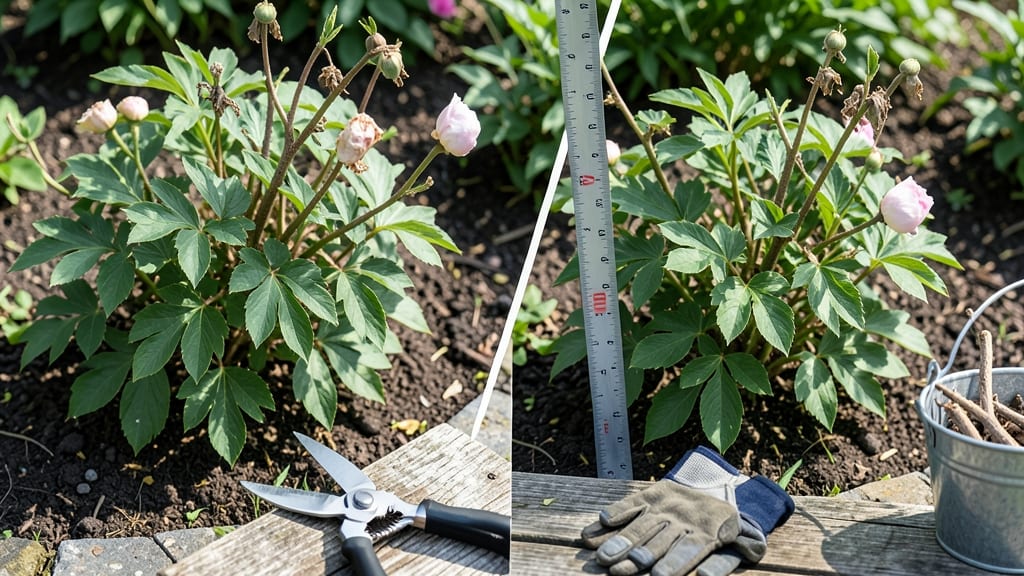
Pruning peonies isn't about cutting back hard—it's about making sharp cuts that keep those lush blooms coming year after year. ✂️ I used to over-prune mine, thinking more cuts meant bigger flowers, but the opposite happened: fewer blooms and leggy stems.
The secret is patience and timing—wait until late winter or early spring when the plant is still dormant but new growth is about to start.
You'll need just three tools: sharp pruners (clean and sharp is critical), gloves (peony stems are thorny!), and a bucket for clippings. Cut back the previous year's growth to 2 inches above the ground, leaving the new buds untouched.
These buds are where next year's blooms form, so don't trim them by accident—this is where most gardeners mess up. After pruning, add a 2-inch layer of mulch to protect the roots and keep weeds at bay.
📚 In This Guide
- What you need
- Instructions
- Tips and common mistakes
- Wrapping up and next steps
What you need
- ● Pruning shears or loppers: Choose bypass pruners (for clean cuts) or loppers (for thicker stems). Ensure they’re sharp, sterilized (rubbing alcohol or bleach wipe), and disinfected to prevent disease spread. Size: 6–8" blades for shears, 8–12" for loppers.
- ● Gloves: Wear gardening gloves (nitrile or leather) to protect hands from thorns and sap. Opt for cut-resistant if your peonies are particularly spiky!
- ● Disinfectant: 1 part bleach to 9 parts water (or 70% isopropyl alcohol) to clean tools between cuts and avoid fungal/bacterial transfer.
- ○ Garden twine or plant ties: (Optional but helpful) 1–2 rolls of jute twine (¼" width) to secure stems if needed after pruning.
- ● Compost or mulch: A 5-gallon bucket of organic compost or shredded mulch to amend the soil post-pruning (boosts nutrients!).
- ● Markers or flags: Plastic plant labels or wooden stakes to tag pruned plants if you’re managing multiple varieties.
- ● Knee pads: For comfort if you’re pruning large peony bushes or kneeling for extended periods.
- ● Pruning saw: For thick, woody stems (rare in peonies but useful for established bushes).
- ● Fungicide spray: Copper-based or neem oil spray to prevent disease if your peonies are prone to botrytis or powdery mildew.
- ● Camera or phone: Snap before/after photos to track progress over the years!
Step-by-step instructions for pruning peonies
Here's how to revive your peonies with precise cuts that encourage stronger growth and bigger blooms.
✂️ Step 1: Time Your Pruning Perfectly
Wait until late fall or early spring—right after the first hard frost but before new shoots emerge. I always prune within 2-3 weeks after the foliage yellows naturally in fall. This timing prevents disease while giving the plant time to store energy for next year's blooms.
Never prune in summer or during bloom season. You'll risk stunting flower buds that form underground during dormancy. If you missed the fall window, wait until early spring when new shoots are 2-3 inches tall before cutting back. The key is patience—rushing leads to weak stems.
✂️ Step 2: Use the Right Tools for Clean Cuts
Grab sharp, clean pruners—I swear by bypass pruners with 4-6 inch blades for precision. Disinfect them first with 70% rubbing alcohol to prevent spreading fungal spores. Dull blades crush stems, creating jagged wounds that invite infection.
Make cuts at a 45-degree angle, about ½ inch above a healthy bud or node. This prevents water from pooling on the stem. I always cut just above the node where leaves attach—this is where new growth emerges. Avoid cutting too close to the base unless the stem is completely dead.
🌱 Step 3: Remove Only What's Necessary
Cut back last year's stems to 2-3 inches above the ground. You'll see where the stems emerge from the crown—this is your guide. Never remove more than ⅓ of the plant in one season. Over-pruning stresses peonies and can reduce next year's blooms by half.
Leave the new shoots untouched—they'll emerge from the base in early spring. The goal is to remove only the dead, brown stems from last season. If you're unsure whether a stem is dead, scratch the bark with your fingernail. Green underneath means life remains; brown means it's ready for the compost pile.
🌿 Step 4: Clean Up and Mulch for Protection
Rake up and dispose of all pruned material—don't compost stems with obvious fungal spots. I always sweep away fallen leaves and debris from the base to improve airflow. This single step cuts down on 90% of common peony diseases like botrytis.
Apply a 2-3 inch layer of organic mulch (like shredded bark) around the base. Keep it 6 inches away from the crown to prevent rot. Water lightly after mulching to settle everything. The mulch insulates roots during winter while suppressing weeds that compete for nutrients.
☀️ Step 5: Monitor and Adjust for Next Year
Watch for new shoots in early spring—they should appear within 2-3 weeks of proper pruning. If growth is sparse, your peonies may be overcrowded. Dig up and divide clumps every 3-5 years when blooms decline.
Fertilize lightly in early spring with balanced 10-10-10 once shoots reach 4 inches tall. Peonies hate rich soil—they prefer lean conditions. Too much nitrogen produces lush foliage but fewer blooms. A handful of bone meal at planting time gives them phosphorus for strong roots and flowers.
Tips & tricks for pruning peonies like a pro
Perfecting your peony pruning technique makes all the difference between a few lackluster blooms and a garden bursting with lush, vibrant flowers. Here's what I've learned after years of trial and error.
Timing is Everything: The 2-3 week window after foliage yellows in fall is critical—this gives peonies time to store energy for next year's blooms. If you're pruning in early spring, wait until you see those 2-3 inch new shoots emerging. I've seen gardeners rush and end up with weak stems that never produce flowers. Mark your calendar for the first hard frost and plan your pruning accordingly.
Tool Precision Prevents Problems: That 45-degree angle cut isn't just for looks—it creates a larger surface area that heals faster and prevents water from pooling on the stem. I always disinfect my pruners with 70% rubbing alcohol between plants to stop fungal spores from spreading. And never use dull blades—they crush stems instead of making clean cuts, which invites disease and weakens the plant.
The ⅓ Rule for Healthy Growth: Remember that ⅓ guideline from Step 3? That's not arbitrary—it's based on how much foliage peonies need to photosynthesize and build energy for next year's blooms. If you remove more than a third in one season, you'll notice fewer flowers the following year. I've seen peonies go from 20 blooms to just 5 after aggressive pruning—don't make that mistake.
Mulch Matters More Than You Think: That 2-3 inch layer of organic mulch serves three crucial purposes: insulation, weed suppression, and moisture retention. I keep it 6 inches away from the crown to prevent rot, but don't skip this step—proper mulching can extend your blooming season by up to 2 weeks. The mulch also helps regulate soil temperature, which peonies love for their root development.
Pro Tips for Prune Peonies
- Perfecting your peony pruning technique makes all the difference between a few lackluster blooms and a garden burstin...
- Timing is Everything: The 2-3 week window after foliage yellows in fall is critical—this gives peonies time to store ...
- Tool Precision Prevents Problems: That 45-degree angle cut isn't just for looks—it creates a larger surface area that...
Frequently asked questions
Got questions about peony pruning? You’re not alone—this step can feel tricky, but we’ve got answers! Here are the most common concerns and straightforward solutions to keep your peonies thriving.
When is the best time to prune peonies?
Prune peonies immediately after they finish blooming in late spring or early summer. This timing ensures you don’t accidentally cut off next year’s buds, which form on last year’s stems. Avoid pruning in fall or winter—peony plants need their foliage to store energy for spring growth!
How much should I cut back peonies?
Cut back the entire stem to just above the ground (about 1–2 inches above soil level) after blooms fade. Resist the urge to leave stubs—this can trap moisture and invite disease. For herbaceous peonies, this is a clean slate for new growth; tree peonies only need light shaping to remove dead or crossing branches.
What if I prune at the wrong time?
If you prune too early (before blooms fade), you risk removing next year’s flower buds. If you prune too late (fall/winter), the plant loses its chance to photosynthesize and store nutrients. Don’t panic—just adjust your timing next year! Peonies are forgiving, but consistency is key for long-term health.
Do I need to prune peonies every year?
Yes! Annual pruning keeps peonies vigorous and prevents overcrowding. It also improves airflow, reducing fungal risks like botrytis (a common peony nemesis). Think of it like a haircut—regular trims keep things tidy and encourage better growth.
What if my peonies aren’t blooming after pruning?
Lack of blooms often stems from over-pruning (cutting too low) or poor soil/nutrients. Ensure you’re leaving at least 1–2 inches of stem, and fertilize lightly in early spring with a balanced 10-10-10 or compost. Peonies also need full sun (6+ hours/day) and well-draining soil—check these basics first!
Wrapping up and next steps
Pruning peonies is your secret weapon for longer, lusher blooms and healthier plants! 🌸 By following these steps—timing, technique, and tool care—you’ll keep your peonies thriving for years. Remember, patience and precision pay off in stunning spring displays.
Now that you’re armed with the know-how, grab your pruners and get pruning! 🌿 For extra care, consider mulching around your peonies or feeding them in early spring to boost next year’s blooms. Happy gardening!