
How To
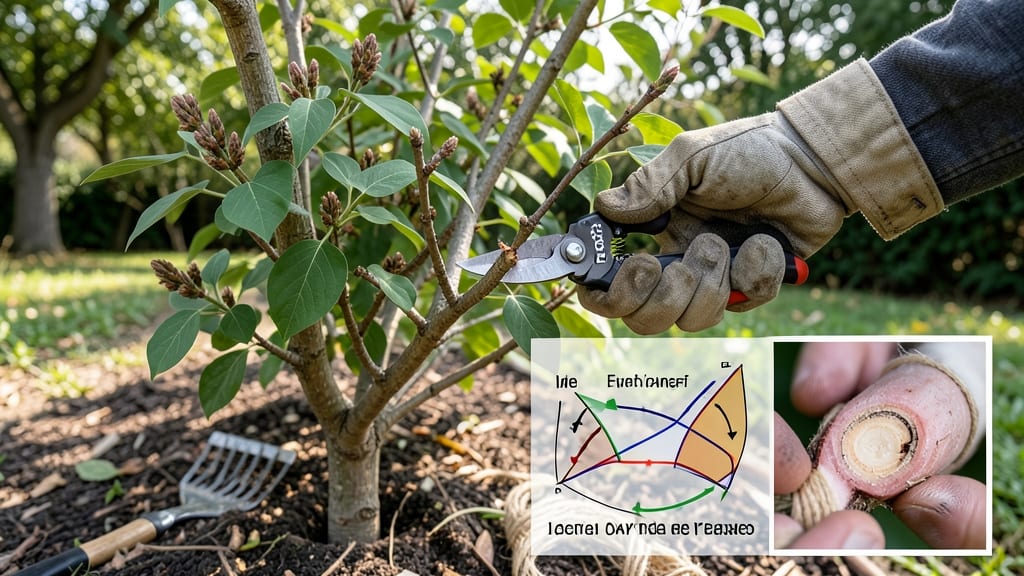
Pruning lilacs in late winter unlocks their full potential—longer, fragrant blooms and a bushier shape. ✂️ I’ve learned the hard way that timing and technique make all the difference: cut too early, and you lose next year’s flowers; cut too late, and you stunt growth.
The key is patience and precision, and I’ll walk you through every step to get it right.
Start with clean, sharp pruners and focus on removing last year’s flower clusters (those little brown knobs) while keeping the plant’s natural shape. For older bushes, thin out crowded branches to improve airflow—this alone cuts down on pests and disease.
Afterward, a light feeding with compost keeps the roots happy until spring, when your lilac will reward you with vibrant, abundant blooms that last for weeks.
📚 In This Guide
- What you need
- Instructions
- Tips and common mistakes
- Wrapping up and next steps
What you need
- ● Bypass pruners – Sharp, clean pruners with a 4- to 6-inch blade for precise cuts (avoid anvil pruners—they crush stems).
- ● Loppers – For thicker branches (up to 1.5 inches in diameter), opt for long-handled loppers for leverage.
- ● Hand saw – A pruning saw with a curved blade for stubborn, woody stems (avoid serrated blades—they tear bark).
- ● Gloves – Heavy-duty gardening gloves (preferably nitrile-coated) to protect against thorns and sap.
- ○ Disinfectant (optional but recommended) – 70% isopropyl alcohol or a bleach solution (1 part bleach to 9 parts water) to sterilize tools between cuts and prevent disease.
- ● Trash bags or bucket – For collecting pruned branches (lilac clippings can be composted if disease-free).
- ● Rubbing alcohol or bleach wipes – For quick tool sanitization mid-pruning.
- ○ Marking twine or flags (optional) – To label branches if you’re pruning for shaping or rejuvenation.
- ● Ladder or step stool – If your lilac is taller than 6 feet (ensure it’s stable and rated for your weight).
- ● Choose a dry, overcast day to minimize stress on the plant.
- ● Work when lilacs are dormant (late winter, just before buds swell, typically February–March in most climates).
- ● Wear long sleeves and pants—lilacs have sharp thorns!
Step-by-step instructions for pruning lilacs
Here's the method I swear by every late winter—it guarantees stronger growth and more abundant blooms.
✂️ Step 1: Time Your Pruning for Maximum Impact
Prune lilacs immediately after flowering but before new growth begins—typically in late winter or very early spring (February to March in most climates). This timing ensures you don't cut off next year's flower buds, which form on last year's growth. Watch for the first signs of leaf buds swelling on the stems; that's your cue to grab the shears.
If you missed the window and your lilac has already leafed out, wait until after flowering to do a light cleanup. Never prune in fall—you'll remove next year's blooms before they even form. I mark my calendar with a bright sticker so I don't forget this critical timing.
✂️ Step 2: Shape the Bush and Remove Dead Wood
Start by removing any dead, diseased, or crossing branches at the base of the plant. Cut back to the main stem or where healthy growth begins. You'll know a branch is dead if it's brittle, lacks buds, and snaps easily when bent. For crossing branches, remove the one growing inward to improve airflow and reduce disease risk.
Next, shape the bush by thinning out crowded stems. Aim to maintain an open center—this prevents fungal issues and lets sunlight reach the inner branches. I like to step back every few cuts to visualize the shape. For mature lilacs, never remove more than one-third of the plant's total growth in a single year.
✂️ Step 3: Prune for Longer Blooms and Healthier Growth
Cut back the oldest stems to just above a pair of healthy buds (about ½ inch above). These buds will produce next year's flowers. For younger stems, you can trim lightly to encourage bushier growth, but avoid heavy pruning—lilacs bloom on wood from the previous year.
Watch for water sprouts (thin, vertical shoots growing from the base or trunk). These steal energy from the main plant, so cut them off at the base. After pruning, rake up and dispose of all clippings to prevent disease from lingering in the garden.
🌿 Step 4: Clean Up and Fertilize for Recovery
Sterilize your pruning tools with rubbing alcohol before and after to prevent spreading disease. Sweep away all debris from under the bush—this reduces fungal spores and pests. Once pruned, water deeply to help the plant recover, especially if the winter was dry.
Apply a balanced fertilizer (10-10-10) in early spring to support new growth. I like to mix it into the soil around the base rather than top-dressing, so the roots get a steady supply. Avoid heavy nitrogen fertilizers—they encourage leafy growth at the expense of flowers.
⏰ Step 5: Monitor and Maintain Through the Season
Keep an eye on your lilac in the weeks after pruning. If new growth appears weak or yellows, it may need more phosphorus (the middle number in fertilizer ratios). Mulch around the base with 2-3 inches of organic mulch to retain moisture and regulate soil temperature.
By mid-summer, you should see fresh, vibrant buds forming on last year's stems—that's your reward for pruning correctly. If blooms are sparse, it might be time to consider rejuvenation pruning next winter, but that's a bigger project for established plants.
Tips & tricks for perfect lilac pruning
Here's what nobody tells you about getting the most out of your pruning effort—these tricks make all the difference between a tired lilac and a blooming beauty.
Timing is Everything: The late winter window (February-March) is non-negotiable for best results. I've learned this the hard way—pruning too early can leave your lilac vulnerable to frost damage, while waiting too long risks cutting off next year's flower buds. Mark your calendar with a bright sticker right after your lilacs finish blooming, so you'll be ready when those leaf buds start swelling. This is your golden opportunity to shape the plant's future growth.
Visual Cues for Pruning: When shaping the bush in Step 2, step back every few cuts to visualize the open center you're creating. I like to imagine looking through the plant—if I can see light coming through the middle, I know I'm on the right track. For mature lilacs, never remove more than one-third of the plant's total growth in a single year. This rule prevents stressing the plant and keeps it healthy for years to come.
Bud Identification: In Step 3, when cutting back oldest stems, look for pairs of healthy buds about ½ inch apart. These buds are your future blooms! I always count three buds down from the main stem before making my cut—this ensures I'm leaving enough growth for next year's flowers. If you're unsure, cut just above the second bud pair to be safe. Remember, lilacs bloom on wood from the previous year, so we're preserving that growth potential.
Tool Maintenance: Sterilizing your pruning tools with rubbing alcohol before and after use is a game-changer for preventing disease spread. I keep a small bottle of 70% isopropyl alcohol in my gardening shed and wipe down tools between each cut when dealing with multiple plants. This simple step can save your lilac from fungal infections that might otherwise ruin the season's growth.
Pro Tips for Prune Lilacs
- Here's what nobody tells you about getting the most out of your pruning effort—these tricks make all the difference between a tired lilac and a blooming beauty.
- Timing is Everything: The late winter window (February-March) is non-negotiable for best results.
- Visual Cues for Pruning: When shaping the bush in Step 2, step back every few cuts to visualize the open center you're creating.
Frequently asked questions
Got questions about pruning lilacs? You’re not alone—this classic task can feel tricky! Below, we’ve rounded up the most common concerns and straightforward answers to help you prune like a pro.
When is the absolute best time to prune lilacs?
Prune lilacs right after flowering (late spring) or in late winter/early spring (before buds swell). Avoid pruning in fall—it stimulates new growth that won’t survive winter. Late-winter pruning (Feb–March) is ideal for shaping and rejuvenating older shrubs.
How much can I cut back my lilac bush without killing it?
Lilacs are tough! You can safely remove up to ⅓ of the oldest stems (cut to the ground) to rejuvenate the bush. For younger shrubs, limit pruning to 10–20% of the plant annually. Never remove more than ⅓ in one year—it stresses the plant and reduces blooms.
Why did my lilac stop blooming after pruning?
Lilacs bloom on old wood, so over-pruning (cutting back too early or too aggressively) removes next year’s flower buds. If blooms disappear, you likely pruned too late (after buds formed) or cut into last year’s growth. Next time, prune right after flowering and avoid heavy cuts.
Can I prune lilacs in containers or small spaces?
Yes! Container lilacs need the same pruning rules but may require more frequent shaping due to limited space. Use sterilized shears and prune lightly (10–15%) annually to encourage bushiness. Avoid drastic cuts—containers have less room for recovery, and lilacs hate being root-bound.
What if my lilac has dead or diseased branches?
Remove dead/diseased wood immediately—any time of year. Cut back to healthy green tissue or the nearest bud. Sterilize your tools with rubbing alcohol to prevent spreading disease. If fungal issues (like powdery mildew) persist, improve airflow by thinning dense growth and water at the base (not overhead).
Not right away! Wait 4–6 weeks after pruning before fertilizing (use a balanced 10-10-10 or lilac-specific formula). Over-fertilizing after pruning can encourage leafy growth over flowers. Focus on mulching with compost to replenish nutrients naturally.Do I need to fertilize after pruning?
Wrapping up and next steps
Pruning lilacs in late winter isn’t just about tidying up—it’s your secret to longer, more vibrant blooms and a healthier shrub! By following these steps—timing it right, cutting at the right angle, and removing dead wood—you’ll encourage lush growth and fragrant flowers for years to come. 🌸✂️
Now that you’re armed with the know-how, grab those pruners and get to work! Your lilacs will thank you with a burst of color and scent. For extra care, consider mulching around the base or fertilizing in early spring to keep them thriving.