Pruning
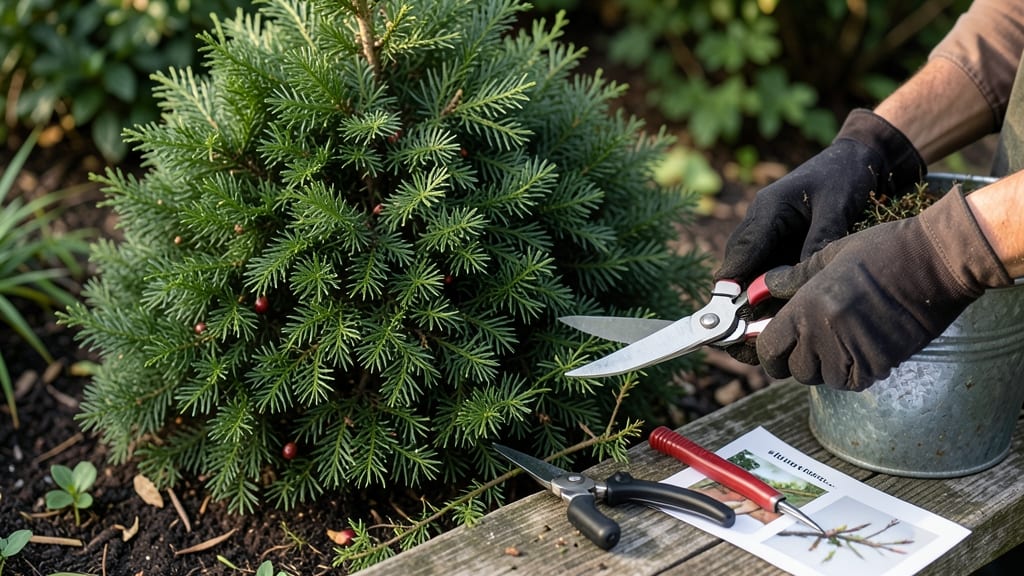
Pruning Japanese yew isn’t just about shaping—it’s about unlocking dense, healthy growth that lasts decades. 🌿 I’ve learned the hard way that cutting too much or at the wrong time turns these elegant evergreens into sad, leggy shadows.
The secret lies in understanding their slow-but-steady growth and timing cuts to encourage fullness, not stress. Japanese yews tolerate light pruning year-round, but late winter to early spring is ideal for shaping. Use sharp bypass pruners to make clean cuts just above a leaf node—never leave stubs.
For formal hedges, shear in stages, while informal shapes benefit from selective thinning to open the center. The goal? A plant that looks intentional, not hacked. You’ll see the difference in 3-4 weeks: fresh green growth filling in sparse spots, and a structure that holds its shape for years.
Even a single branch pruned correctly can transform a tired yew into a showstopper. The key is patience—these plants reward slow, thoughtful work over aggressive trims. For overgrown yews, rejuvenation pruning in early spring works best: cut back up to one-third of old growth to stimulate new shoots.
Just avoid heavy pruning in fall—it stresses the plant before winter dormancy. With the right approach, your Japanese yew will stay lush, vibrant, and full of life for generations.
📚 In This Guide
- What you need
- Instructions
- Tips and common mistakes
- Wrapping up and next steps
What you need
- ● Bypass pruners: Sharp, high-quality pruners (e.g., Felco or Fiskars) for clean cuts on small branches (¼"–¾" diameter). ✨ Pro tip: Always keep blades oiled to prevent rust!
- ● Loppers: Bypass or anvil loppers (e.g., Corona or Bahco) for thicker branches (¾"–2" diameter). Choose bypass for cleaner cuts.
- ● Pruning saw: A curved-tooth pruning saw (e.g., Felco or Fiskars) for branches 2" or larger. Avoid serrated blades—they tear wood.
- ● Gloves: Heavy-duty gardening gloves (e.g., Mechanix or Dr. McGregor) to protect against thorns and sap.
- ○ Disinfectant (optional but recommended): 70% isopropyl alcohol or a blank">pruning sealant (e.g., Tanglefoot) to sterilize tools between cuts and prevent disease spread.
- ● Extension pole: A 3–6 ft. pole saw or pruner attachment for high branches (e.g., blank">Fiskars Telescopic Pruner).
- ● String line or stakes: For marking symmetrical shapes or guiding cuts (especially for formal hedges).
- ● Wheelbarrow or bucket: To collect clippings and keep your workspace tidy.
- ● Safety glasses: Protect your eyes from debris, especially when using a saw.
- ● Notebook & pencil: Jot down notes on growth patterns or areas needing attention in future pruning sessions.
- ● Timing: Choose a clear, calm day (avoid windy or rainy conditions). Early morning or late afternoon is ideal to reduce stress on the plant.
- ● Weather check: Ensure temps are above 40°F (4°C)—cold weather can shock the yew.
- ● Hydration: Water the yew 24 hours before pruning to reduce stress (but avoid soggy soil).
- ● Safety first: Wear closed-toe shoes and avoid loose clothing near thorny branches!
Step-by-Step guide to pruning Japanese yew for year-round health
Here’s how to keep your Japanese yew (Taxus cuspidata) lush and structurally sound—no matter the season.
✂️ Step 1: Assess Growth and Identify Pruning Zones
Examine the yew for dead, crossing, or overcrowded branches—these are your first targets. Japanese yews thrive on selective pruning, so focus on removing no more than 25% of the foliage in any single session. Use sharp, bypass pruners to make clean cuts just above a bud or branch collar (the swollen area where leaves meet the stem). This prevents unsightly stubs and encourages faster healing.
Look for new growth at the tips—these are your plant’s natural shape guides. If you see leggy stems reaching outward, they’re signaling the need for light shaping. Avoid cutting into old wood; Japanese yews are less forgiving with severe reductions. I always start by removing deadwood first, then address structural issues before fine-tuning the shape.
✂️ Step 2: Prune for Structure and Airflow
Japanese yews benefit from an open-center shape, which improves airflow and reduces disease risk. Thin out 1-2 older branches per year from the center to maintain an airy, balanced silhouette. Cut these branches back to their origin at the trunk or a strong lateral branch. This isn’t about drastic reshaping—think of it as sculpting with restraint.
Watch for water sprouts (fast-growing, vertical shoots) and prune them back to a lateral branch. These compete with the main structure for nutrients. If your yew has a formal hedge shape, use a hand pruner or hedge shears to trim the outer edges, keeping cuts sharp and even. Step back occasionally to check your progress—your goal is a natural, refined look, not a geometric block.
🌿 Step 3: Refine Foliage and Encourage Density
For a denser appearance, lightly trim the tips of branches to encourage bushier growth. Japanese yews respond well to light, frequent pruning—think of it like trimming a topiary. Use concave cuts (curving outward) for larger branches to prevent tearing. For finer details, I switch to hand pruners to nip back individual stems that are growing too long or out of place.
Pay attention to the underside of the plant—this often gets neglected but is key for symmetry. Remove any branches that rub against each other or block sunlight from reaching the center. If your yew has bare patches, prune back nearby branches to redirect energy toward filling those gaps. The key here is patience: Japanese yews recover slowly, so avoid heavy cuts in one session.
⏰ Step 4: Seasonal Adjustments for Year-Round Care
Spring (March–April) is ideal for structural pruning—new growth is vigorous, and the plant can recover quickly. Summer (June–August) is for light maintenance: trim just enough to maintain shape without stressing the plant. Fall (September–October) is a good time for cleanup pruning—remove deadwood and any branches damaged by summer heat. Avoid pruning in late fall or winter, as the plant is dormant and more susceptible to cold damage.
After pruning, water deeply to help the yew recover. Japanese yews are drought-tolerant once established, but fresh cuts need moisture to heal. I also apply a light mulch around the base to retain soil moisture and regulate temperature. If you pruned heavily, monitor the plant for stress signs like yellowing leaves—this is normal for a few weeks post-pruning, but prolonged discoloration means you’ve overdone it.
🌱 Step 5: Post-Pruning Maintenance for Long-Term Health
Sharpen your pruners after each use to prevent tearing branches. Disinfect them with rubbing alcohol between cuts to avoid spreading disease. Japanese yews are generally low-maintenance, but fertilize lightly in early spring with a balanced, slow-release fertilizer to support new growth. Avoid high-nitrogen fertilizers—they promote leafy growth at the expense of structural strength.
Finally, observe your yew’s response over the next few weeks. Healthy growth should emerge from the cut areas within 4-6 weeks. If you notice new shoots growing from old wood, it’s a sign the plant is recovering well. Adjust your pruning approach the next season based on what you’ve learned—every yew has its own personality, and yours will guide you on the right balance of shaping and restraint.
Tips & tricks for pruning Japanese yew with precision
Japanese yews reward patience and precision—here's how to refine your technique for flawless results every season.
Tool Preparation: Always disinfect your pruners with rubbing alcohol between cuts to prevent disease spread. I've seen fungal infections ruin otherwise healthy yews because of contaminated tools. Sharpen your blades after each use—the duller they get, the more you crush stems instead of making clean cuts. For larger branches, use bypass pruners to avoid tearing the bark, which can expose the plant to pests and infections.
Seasonal Timing Insight: Spring's vigorous growth makes it the perfect time for structural pruning, but don't overlook summer's light maintenance window. In Step 4, when you're doing summer trims, focus on removing just enough foliage to maintain shape—think of it as giving your yew a subtle haircut rather than a dramatic makeover. This prevents stress while keeping the plant looking its best throughout the growing season.
Visual Pruning Cues: When refining foliage in Step 3, look for these telltale signs: leggy stems reaching outward indicate where to make light cuts, while branches growing toward the center need thinning. For density, trim tips where you see clusters of new growth—this encourages bushier development. The goal is to create a balanced silhouette where sunlight can reach all parts of the plant, not just the outer edges.
Recovery Observation: After pruning, monitor for new shoots emerging within 4-6 weeks as your plant's way of telling you it's recovering well. If you notice yellowing leaves persisting beyond two weeks, you may have overpruned—this is your yew's way of communicating stress. The key is to work within that 25% foliage limit per session and always prioritize removing deadwood first in Step 1.
Pro Tips for Prune Japanese Yew
- Japanese yews reward patience and precision—here's how to refine your technique for flawless results every season.
- Tool Preparation: Always disinfect your pruners with rubbing alcohol between cuts to prevent disease spread. I've see...
- Seasonal Timing Insight: Spring's vigorous growth makes it the perfect time for structural pruning, but don't overloo...
Frequently asked questions
Got questions about pruning your Taxus cuspidata? You’re not alone! Here are answers to the most common queries—from timing to troubleshooting—to keep your Japanese yew looking its best.
When is the best time to prune Japanese yew?
Prune Japanese yew after flowering (late spring to early summer) for the cleanest cuts and minimal stress. Light shaping can also happen in early spring before new growth starts. Avoid heavy pruning in winter—it can expose tender new shoots to cold damage.
Can I prune Japanese yew in winter?
Yes, but lightly! Winter pruning is best for removing dead or diseased branches. Avoid heavy cuts—Japanese yews are evergreens and need foliage to photosynthesize. If you must prune in cold months, do so on mild days (above 40°F) and avoid frost-prone areas.
How much can I trim back a Japanese yew?
Japanese yews are resilient but don’t overdo it! For formal hedges, trim back by no more than 1/3 of the growth per year. For informal shapes, remove only what’s necessary to maintain balance. Over-pruning can lead to sparse growth or sunburn on exposed branches.
Why is my Japanese yew turning brown after pruning?
Brown tips or patches after pruning are usually normal stress reactions—especially if you cut into old wood. To prevent it:
- Use sharp, sterilized tools to avoid tearing.
- Avoid pruning in hot, dry weather.
- Water deeply before and after pruning.
Are there alternatives to pruning Japanese yew?
If pruning feels overwhelming, try these low-maintenance options:
- Let it grow naturally: Japanese yews thrive with minimal intervention—just remove dead branches.
- Use a hedge trimmer: For hedges, opt for electric or battery-powered trimmers for precision.
- Mulch and fertilize: Healthy soil reduces the need for heavy pruning. Add organic compost annually.
Wrapping up and next steps
Pruning your Japanese yew doesn’t have to be intimidating—just follow the right techniques for the season, and you’ll reward yourself with a lush, vibrant shrub that stays healthy and full year-round. 🌿 Whether you’re shaping it into a formal hedge or encouraging natural growth, consistency and patience are key.
Now that you’re armed with the know-how, grab those pruners and give your yew the care it deserves!
Next step: Mark your calendar for your next pruning session—whether it’s a light trim in spring or a more structured shape in fall. Happy pruning! 🌟