
Pruning
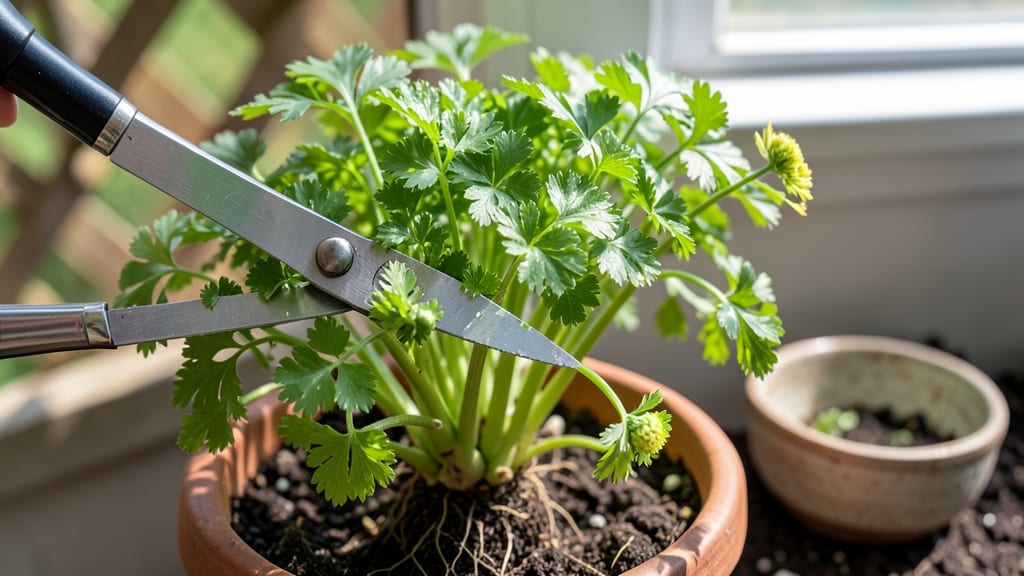
Pruning Italian parsley isn’t just about keeping it tidy—it’s the secret to year-round harvests with bold, fragrant leaves. 🌿 I used to let mine grow wild, only to watch it bolt and lose flavor by summer.
Now, I snip strategically to encourage bushier growth, and my plants stay productive even in winter. The key is timing: prune every 4-6 weeks during active growth, cutting just above a leaf pair to encourage branching. Avoid trimming more than one-third at once, or you’ll shock the plant.
Use clean, sharp scissors to prevent tearing stems, which can invite disease. What you gain is parsley that’s denser, more flavorful, and less likely to flower prematurely. The trimmed leaves? Perfect for cooking—just rinse and chop. And if you compost the scraps, you’re feeding your garden back.
This works for container parsley too—just scale back the size of your cuts. The more you prune, the more your plant rewards you with fresh, vibrant growth all season long.
📚 In This Guide
- What you need
- Instructions
- Tips and common mistakes
- Wrapping up and next steps
What you need
- ○ Sharp pruning shears or scissors: A pair with clean, sterilized blades (avoid dull tools—they crush stems!). Optional: Small handheld pruners for precision.
- ○ Gloves (optional but recommended): Lightweight gardening gloves to protect your hands from thorns or rough stems.
- ● Disinfectant (rubbing alcohol or bleach solution): 1 part bleach to 9 parts water to sterilize tools between cuts. Pro tip: Wipe blades before and after use!
- ○ Pruning log or notebook (optional): To track growth patterns or sketch your parsley’s shape for reference.
- ● Healthy Italian parsley: Wait until the plant is at least 6–8 inches tall with 6–8 mature leaves before pruning.
- ● Sunlight & water: Ensure your parsley is in a spot with 6+ hours of sunlight daily and watered 1–2 days before pruning (well-hydrated stems heal faster!).
- ● Time of day: Prune in the morning when dew is low and the plant is hydrated.
Step-by-Step instructions for pruning Italian parsley
Here's how I keep my Italian parsley thriving all year—no overcrowding, no leggy stems, just steady harvests.
✂️ Step 1: Identify the Right Time to Prune
Prune Italian parsley when it reaches 6-8 inches tall—this is when the plant has enough energy stored to regrow. I always check for 3-4 sets of mature leaves before cutting, as this signals the plant is established enough to handle trimming. The best time of day is early morning, when the plant is hydrated and the air is cool.
Spring is ideal for the first major prune, but I continue trimming every 4-6 weeks throughout the growing season. Avoid pruning in extreme heat or drought—your parsley will need time to recover. Look for stems that have at least two leaf nodes (the small bumps where leaves grow) before cutting; this ensures regrowth happens below the cut.
✂️ Step 2: Use the Right Technique for Healthy Regrowth
Use sharp, clean pruning shears or scissors to make your cuts—dull blades crush stems and invite disease. I cut just above a leaf node at a 45-degree angle, about ¼ inch above where the leaves meet the stem. This angled cut helps water run off instead of pooling on the stem.
Never remove more than ⅓ of the plant at once. Over-pruning stresses parsley and can lead to sparse regrowth. Focus on the outer stems first—they’ve had the most sun exposure and are the most mature. You’ll see new shoots emerge from the leaf nodes within 2-3 weeks if the plant is healthy.
🌿 Step 3: Encourage Bushier Growth with Strategic Cuts
To keep parsley lush and compact, I pinch back the tips of the main stems when they reach 10-12 inches tall. This forces the plant to branch out instead of growing tall and leggy. Use your fingers or small pruners to snip just above a set of leaves—no need for fancy tools here.
After harvesting, I leave the lower leaves intact. These act as food producers for the plant while new growth develops. If you see any yellowing or damaged leaves, remove them immediately—they’re energy drains. A well-pruned parsley plant should have multiple stems radiating from the base, not just one tall stalk.
💧 Step 4: Support Recovery with Proper Aftercare
Water the plant deeply right after pruning to help it recover. Italian parsley prefers consistently moist soil, but never soggy. I check the top 1-2 inches of soil—if it feels dry, it’s time to water. Avoid getting water on the leaves to prevent fungal issues.
After pruning, I also add a light layer of compost around the base to replenish nutrients. Parsley is a heavy feeder, and frequent harvesting depletes the soil quickly. A balanced, organic fertilizer every 6-8 weeks keeps it thriving. Mulch helps retain moisture and keeps weeds at bay—just keep it 1-2 inches away from the stem to avoid rot.
⏰ Step 5: Plan for Year-Round Growth
In warm climates, Italian parsley grows year-round, but in cooler areas, it goes dormant in winter. I protect my plants with a light frost blanket when temperatures drop below 25°F. Even in dormancy, I do minimal pruning—just remove any dead or browned foliage to keep the plant tidy.
Spring is the time to revive winter-dormant parsley. Cut back any dead growth and fertilize lightly to encourage new shoots. With consistent care, your parsley will reward you with fragrant, lush growth for months. The key is patience—parsley grows slowly but steadily, and proper pruning keeps it productive for years.
Tips & tricks for pruning Italian parsley
A few simple tricks will transform your parsley from sparse to thriving throughout the seasons.
Timing is Everything: The 4-6 week pruning schedule in Step 1 works best when you combine it with seasonal awareness. In summer, when growth is rapid, you might trim every 4 weeks. In cooler months, stretch to 6 weeks to avoid stressing the plant. Always prune in the morning—this gives the plant the entire day to recover before nightfall, when evaporation is lower. I've found that morning-pruned parsley shows new growth within 10-14 days, while evening pruning can delay regrowth by a week.
Tool Selection Matters: While sharp pruners work perfectly, I've discovered that kitchen scissors (cleaned thoroughly) can be even more precise for delicate stems. The key is to make clean cuts—never tear the stems. For larger plants, I use a small hand pruner, but for container-grown parsley, scissors give me better control. Always sterilize your tools with rubbing alcohol between cuts to prevent spreading disease from any damaged leaves you might encounter.
Visual Growth Cues: In Step 3, when pinching back stems at 10-12 inches, look for these visual signs: the stems should be thick enough to feel firm when squeezed gently, and the leaves should be a vibrant green—not yellowing at the edges. I've learned that stems with at least three visible leaf nodes respond best to pinching. After pinching, you'll notice new side shoots emerging from the leaf nodes within 7-10 days. These shoots will eventually develop into full stems with their own leaves.
Winter Care Secret: When protecting against temps below 25°F, I've found that a simple plastic milk jug with the bottom cut out works better than store-bought frost blankets. The jug creates a microclimate that traps heat while still allowing light penetration. In spring, remove any browned leaves completely—they won't recover—and give the plant a light application of compost. This combination of winter protection and spring renewal has kept my parsley growing for five consecutive winters.
Pro Tips for Prune Italian Parsley
- A few simple tricks will transform your parsley from sparse to thriving throughout the seasons.
- Timing is Everything: The 4-6 week pruning schedule in Step 1 works best when you combine it with seasonal awareness....
- Tool Selection Matters: While sharp pruners work perfectly, I've discovered that kitchen scissors (cleaned thoroughly...
Frequently asked questions
Got questions about pruning Italian parsley?
You’re not alone! Here are answers to the most common queries to keep your herb thriving and flavorful.
When is the best time to prune Italian parsley?
Prune Italian parsley throughout the growing season—spring through fall—whenever stems reach 6–8 inches tall. For winter care, give it a light trim in early spring to encourage fresh growth. Avoid heavy pruning in late fall if frost is expected.
How much should I cut back when pruning?
Remove one-third of the plant’s height at a time to avoid stress. Focus on outer stems and leaves, leaving the inner growth intact. This encourages bushier, denser foliage while maintaining the parsley’s vibrant flavor.
Can I prune Italian parsley in winter?
Yes, but lightly! If your parsley is perennial in your climate (USDA zones 3–10), trim back dead or yellowed leaves in late winter to prep for spring. Avoid heavy cuts—parsley is semi-hardy and benefits from minimal disturbance during cold months.
What if my parsley turns yellow after pruning?
Yellowing can signal over-pruning, nutrient deficiency, or stress. Adjust by:
- Reducing pruning frequency (wait until new growth appears).
- Fertilizing with balanced organic fertilizer (10-10-10).
- Ensuring 6+ hours of sunlight and well-draining soil.
Can I use pruned parsley stems for propagation?
Root cuttings
from healthy stems (3–4 inches long) in water or soil. Place in indirect light and keep the soil moist. Roots typically form in 2–4 weeks. This is a great way to multiply your parsley patch for free!
Wrapping up and next steps
Pruning Italian parsley isn’t just about keeping your plants tidy—it’s the secret to bountiful, vibrant growth all year long! 🌿 With the right tools, timing, and technique, you’ll enjoy a steady supply of fragrant leaves for cooking, garnishes, and even medicinal uses.
Remember, consistency is key, so make pruning a regular part of your gardening routine.
Now that you’re armed with expert tips, grab those shears and get pruning! 🌱 Start small, observe your plants, and soon you’ll be the proud owner of a thriving Italian parsley patch. Happy gardening!