
How To
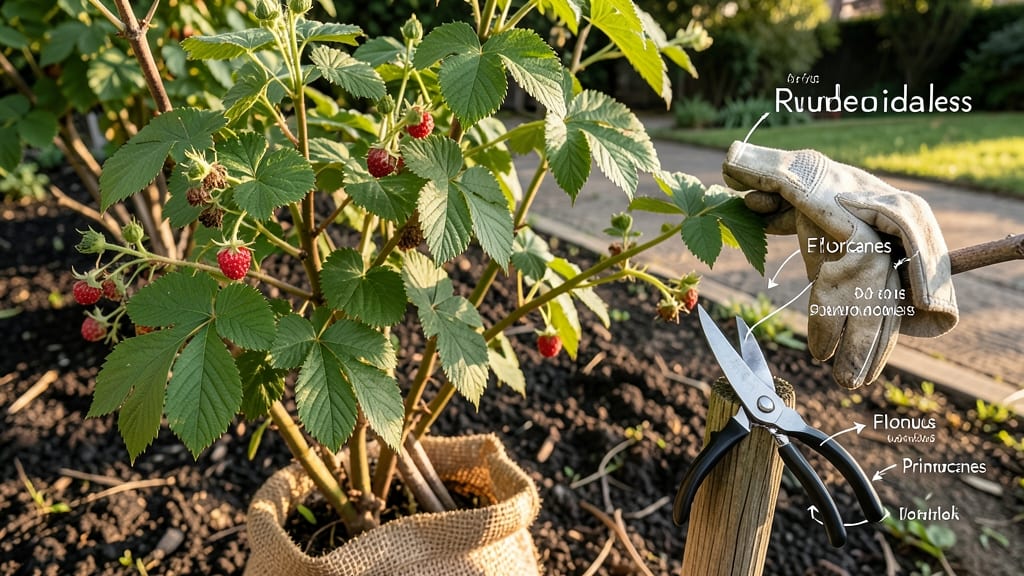
Late-winter pruning turns your everbearing raspberries into a fruit-producing machine. ✂️ I used to dread this task—until I learned the simple rules that doubled my harvest last year. The secret lies in timing, cane selection, and a few precise cuts that encourage bushier growth and heavier fruit loads.
Start by gathering sharp pruners, gloves, and a sanitizing solution (rubbing alcohol works). In late winter, before buds swell, remove all dead or weak canes at ground level. Then cut back last year’s fruited canes to 6-8 inches tall—this forces new, productive canes to grow from the base.
The goal? A balanced plant with strong, upright canes ready to bear fruit twice a year.
📚 In This Guide
- What you need
- Instructions
- Tips and common mistakes
- Wrapping up and next steps
What you need
- ● Pruning shears (bypass or anvil type) – Sharp, clean blades (4-6" length) to make precise cuts without crushing stems.
- ○ Loppers (optional but helpful) – For thicker canes (8-10" cutting length), especially if your raspberry patch is mature.
- ● Gloves (heavy-duty gardening gloves) – Protects hands from thorns and rough canes.
- ● Disinfectant (rubbing alcohol or bleach solution) – Wipe blades between cuts to prevent disease spread.
- ● Garden twine or zip ties – To temporarily tie back canes if needed for visibility.
- ● Rake or hoe – Clears debris around the base of plants for better access.
- ● Pruning saw (for very thick canes) – If canes are over 1" in diameter.
- ● Garden hose or spray bottle – Keeps blades clean and dust-free during pruning.
- ● Marker or flags – Helps identify canes to remove (if you’re unsure which are dead or diseased).
- ● Dry, calm weather – Prune on a day when rain isn’t forecasted for 24 hours.
- ● Late winter timing – Ideally, prune before new growth starts (early February to March, depending on your climate zone).
- ● Healthy plants – Remove any visibly diseased or pest-infested canes first to prevent spread.
Step-by-step instructions for pruning everbearing raspberries
Here's how to transform your raspberry patch into a high-yielding powerhouse—just a few sharp cuts in late winter.
✂️ Step 1: Identify and Remove Dead or Diseased Canes
Start by examining each cane at the base. Look for canes that are brown, mushy, or hollow—these are dead or diseased and need removal. Everbearing raspberries produce fruit on both new and old canes, so don't cut healthy ones yet. Grab the cane at the base and give it a gentle tug—if it pulls out easily, it's dead. Toss these immediately to prevent spreading disease.
I like to work on a dry day when the soil is firm. This makes it easier to spot dead canes at the base without disturbing the healthy ones. If you're unsure, slice the cane open lengthwise—healthy wood will be firm and greenish inside, while dead wood will be brown and crumbly. Mark these canes with a flag or note them in your head before cutting.
✂️ Step 2: Cut Out Last Year's Fruit-Producing Canes
Everbearing raspberries produce fruit on canes that are two years old and older. These canes will be thicker and often have a slightly woody texture. Using clean, sharp pruning shears, cut these canes down to the ground. I always make my cuts at a 45-degree angle, about ¼ inch above the soil line, to prevent water from pooling and rotting the base.
Don't worry about leaving stubs—everbearing raspberries don't need them. The key here is to remove these old canes completely to make room for this year's growth. If you leave even a small piece, it can regrow and compete with new canes for nutrients. After cutting, rake up the debris and dispose of it in the trash, not the compost pile.
✂️ Step 3: Thin the Remaining Canes to 6-8 per Square Foot
Now it's time to focus on the canes that will produce this year's fruit. Everbearing raspberries thrive when they have space to breathe, so thin your patch to leave only the healthiest, most vigorous canes. Aim for 6-8 canes per square foot—this ensures each cane gets enough sunlight, water, and nutrients to produce abundant fruit.
To thin, look for canes that are thin, weak, or crossing over others. Remove these by cutting them at the base. If you have more than the recommended number of canes, prioritize keeping the ones that are straight, strong, and evenly spaced. You'll know you're doing it right when you can easily walk between the rows without brushing against the canes.
✂️ Step 4: Prune Side Shoots and Encourage Airflow
Once you've thinned the main canes, turn your attention to the side shoots that grow along the length of each cane. These shoots can crowd the plant and reduce airflow, which increases the risk of fungal diseases like cane blight. Using your pruning shears, trim back any side shoots that are longer than 6 inches or growing inward toward the center of the plant.
I also like to shape the canes slightly by removing any branches that are growing at sharp angles or rubbing against neighboring canes. This step is all about improving airflow and sunlight penetration. After pruning, give your raspberry patch a final once-over to make sure no canes are touching each other. If they are, gently spread them apart and tie them to stakes if necessary.
⏰ Step 5: Clean Up and Apply Mulch
The final step is to clean up the pruned debris and apply a 2-3 inch layer of mulch around the base of the canes. I use straw or wood chips because they help retain moisture, suppress weeds, and regulate soil temperature. Avoid using fresh wood chips, as they can rob the soil of nitrogen as they break down.
After mulching, give your raspberry patch a deep watering to help the canes recover from pruning and encourage new growth. This is also a great time to fertilize lightly with a balanced, organic fertilizer to give the plants a nutrient boost for the upcoming growing season. Once everything is tidy, step back and admire your well-pruned patch—you're now set up for a bigger, healthier harvest this year!
Tips & tricks for pruning everbearing raspberries
A few sharp cuts now will set your raspberry patch up for a bountiful summer harvest. Here's what I've learned from years of pruning—plus how to avoid the mistakes that waste all that hard work.
Tool Prep: Everbearing raspberries respond best to clean cuts, so sterilize your pruning shears with rubbing alcohol between cuts. I also like to sharpen my shears annually—dull blades crush canes instead of making clean cuts. This prevents unnecessary stress on the plant and reduces the risk of disease entry points. Grab a pair of gloves too; raspberry canes have thorns that pack a punch!
Timing Secret: Late winter is the perfect window—just after the ground thaws but before new growth begins. In colder climates, aim for late February or early March when temperatures consistently stay above freezing. The dormant season means less stress on the plant, and you'll avoid disturbing any emerging buds. If you miss this window, don't panic—you can still prune in early spring, but you'll need to be more selective about which canes you remove.
Visual Cues for Step 3: When thinning to 6-8 canes per square foot, look for canes that have a slightly reddish tint at the base—these are the strongest candidates for this year's fruit production. Also, prioritize canes that grew straight upward last year rather than leaning or sprawling. These vertical canes will naturally stand taller, making them easier to harvest from. If you're unsure which canes to keep, snap a photo of your patch before pruning as a reference.
Mulch Matters: That 2-3 inch layer of mulch isn't just for looks—it's a game-changer for moisture retention and weed suppression. I've found straw works best because it breaks down slowly and improves soil structure over time. For extra protection against spring frosts, consider adding a 1-inch layer of straw on top of your regular mulch. Just remember to keep the mulch about 2 inches away from the cane bases to prevent rot.
Pro Tips for Prune Everbearing Raspberries
- A few sharp cuts now will set your raspberry patch up for a bountiful summer harvest. Here's what I've learned from y...
- Tool Prep: Everbearing raspberries respond best to clean cuts, so sterilize your pruning shears with rubbing alcohol ...
- Timing Secret: Late winter is the perfect window—just after the ground thaws but before new growth begins. In colder ...
Frequently asked questions
Got questions about pruning everbearing raspberries?
Here are answers to the most common ones—so you can prune like a pro and enjoy a bountiful harvest all season long!
When is the best time to prune everbearing raspberries?
Prune everbearing raspberries in late winter or early spring (just before new growth starts). This is ideal because dormant plants heal faster, and you avoid disturbing summer fruit production. If you miss the window, a light trim after harvest (late summer) can help, but avoid heavy cuts then.
Do I need to prune everbearing raspberries every year?
Yes! Everbearing varieties produce fruit on both old and new canes, so annual pruning keeps them healthy and productive. Remove dead, diseased, or weak canes first, then thin out crowded stems to improve airflow. Think of it as a yearly reset for your plants!
What if I accidentally prune too much? Can I fix it?
Don’t panic! If you’ve over-pruned, focus on leaving at least 6-8 healthy canes (more if your plant is young). Everbearing raspberries are resilient—they’ll bounce back with new growth from the base. Just keep an eye on them and avoid heavy cuts in future pruning sessions.
Will pruning reduce my raspberry harvest?
Not at all! Pruning increases your harvest by directing energy to stronger canes and more fruit. Removing old canes (after their second harvest) makes room for new ones, ensuring a consistent supply of berries from spring through fall. It’s like giving your plants a spa day—they come back better than ever!
What if I live in a cold climate? Should I wait until spring?
In Zone 3-5, prune in late winter (February-March) after the worst frost has passed but before buds swell. Cold snaps can stress fresh cuts, so timing is key. If you’re unsure, wait until after the last frost date for your area.
Wrapping up and next steps
Pruning everbearing raspberries in late winter is your secret weapon for a bountiful, healthier harvest—and yes, you’ve got this! 🌱 By removing old canes, thinning crowded growth, and keeping your tools sharp, you’re setting the stage for plump, sweet berries all season long.
Remember, consistency is key, so grab those shears and give your bushes the TLC they deserve.
Ready to transform your raspberry patch? Start by marking your calendar for late winter (or early spring) pruning—then roll up your sleeves and enjoy the rewards of your hard work. Happy gardening! 🍓✨