
Pruning
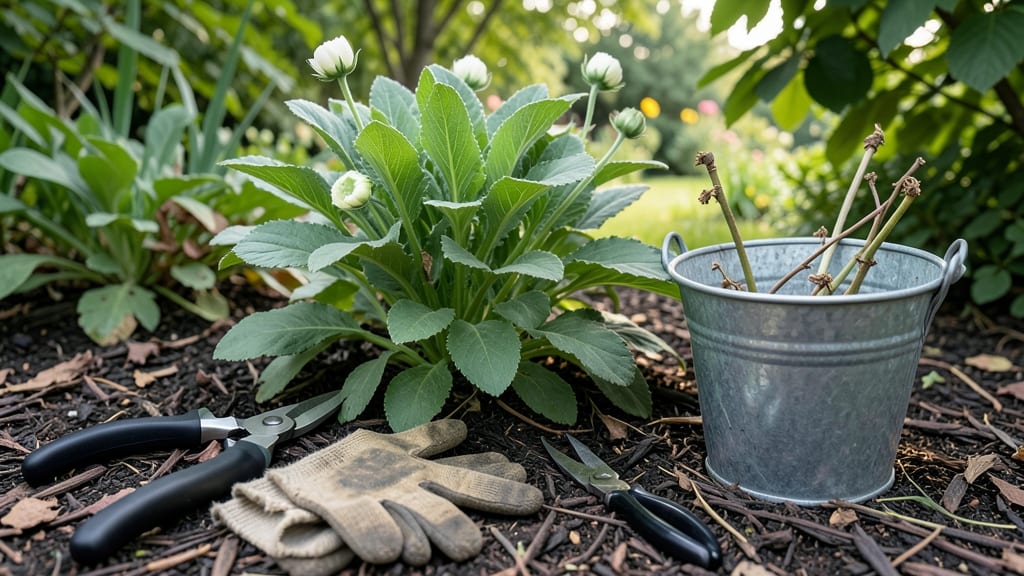
Pruning balloon flowers transforms your garden from scraggly to showstopping. ✨ I’ve spent years perfecting the timing and technique to keep these plants thriving—no more bare stems or sparse blooms.
The key is a two-part approach: deadheading spent flowers in late summer and shaping the plant in late winter before new growth begins.
You’ll need sharp pruners (cleaned with rubbing alcohol), heavy-duty gloves, and a sunny afternoon. Start by pinching off faded blooms just above the next set of leaves—this encourages fresh flowers.
For shaping, cut back up to one-third of the plant’s height, focusing on removing dead or crossing branches. The goal is to open up the center for airflow and sunlight.
Within weeks, you’ll see new shoots pushing through, and by early summer, your balloon flowers will be bursting with color. The plants stay compact, bloom prolifically, and resist pests better when properly pruned. This method works for both container-grown plants and garden beds, so you can apply it anywhere.
Fair warning: Over-pruning in late fall can stunt next year’s blooms, and cutting into old wood won’t produce new growth. Stick to the late winter/early spring shaping, and your plants will reward you with a canopy of vibrant flowers all season long.
📚 In This Guide
- What you need
- Instructions
- Tips and common mistakes
- Wrapping up and next steps
What you need
- ● Pruning shears or bypass pruners – Sharp, clean, and sterilized (bypass blades are gentler on stems). 1 pair (or 2 if working on large plants).
- ● Gloves – Thick gardening gloves (balloon flowers can have thorny stems—protect your hands!). 1 pair (waterproof if possible).
- ● Disinfectant (rubbing alcohol or bleach solution) – 1:9 bleach-to-water ratio (sterilizes tools between cuts to prevent disease).
- ○ Garden twine or plant ties – Optional but helpful for supporting heavy blooms post-pruning. 1 small roll.
- ● Compost bin or garden waste bag – For disposing of pruned stems and debris. 1 bag/bin.
- ● Watering can or hose – To hydrate plants before and after pruning. 1 unit.
- ● Hand pruners (felco or ratchet-style) – For smaller, precise cuts in tight spaces.
- ● Loppers – If dealing with thick, woody stems (2–3 feet long).
- ● Plant food (balanced fertilizer, 10-10-10) – To give your balloon flowers a post-pruning boost.
- ● Mulch (straw or shredded bark) – To retain moisture and protect roots after pruning.
- ● Camera or phone – To document before/after progress (because gardening wins deserve a snapshot!).
Step-by-Step instructions for pruning balloon flowers
Here's how I keep my balloon flowers thriving year-round with minimal fuss.
✂️ Step 1: Identify and Remove Dead or Damaged Growth
Start by scanning your balloon flower plants for any stems that are brown, brittle, or clearly dead. These are easy to spot—they'll feel hollow when you squeeze them gently and won't snap back when bent. Use clean, sharp pruners to make a clean cut just above a leaf node or lateral bud. This ensures new growth will emerge from the right spot.
I always work on a dry day when the plants are fully hydrated. If you prune after watering, the cuts may take longer to heal. Remove any stems with signs of disease or pest damage immediately—don't leave them on the plant or in your compost pile. You'll know you've done this right when your plant looks noticeably cleaner and more open to sunlight.
✂️ Step 2: Thin Out Crowded Stems for Better Airflow
Balloon flowers grow in clumps, and over time, stems can become too crowded. This leads to weak growth and increased risk of fungal diseases. Look for stems that are growing directly into the center of the plant or rubbing against others. These are your targets for thinning. Aim to leave about 3-5 strong stems per plant—this gives your balloon flowers room to breathe and access to sunlight.
Make your cuts at the base of the plant, just above the soil line. I like to work from the outside in, removing the weakest stems first. You'll see a noticeable difference in airflow immediately after—leaves will look less crowded, and sunlight will reach the center of the plant. This also encourages stronger, more vigorous growth from the remaining stems.
☀️ Step 3: Prune to Encourage Bushier Growth
To promote a fuller, bushier plant, focus on pinching back the tips of new growth. Wait until your balloon flowers have grown about 6-8 inches tall, then use your fingers or clean pruners to pinch off the top set of leaves. This might seem counterintuitive, but it triggers the plant to produce side shoots, creating a denser canopy. You'll see new growth emerging from the leaf nodes within a few weeks.
For established plants, prune back the longest stems by about one-third to encourage branching. Always cut just above a leaf node or lateral bud, and avoid leaving stubs. The goal is to shape the plant while stimulating new growth. After pruning, give your plants a light application of balanced fertilizer to support their recovery and new growth.
⏰ Step 4: Schedule Seasonal Pruning for Year-Round Health
Timing matters for balloon flowers. In early spring, prune back any dead or weak stems to make room for new growth. This is also the time to shape the plant for the season ahead. In late summer, after the first flush of flowers has faded, give your plants a light trim to encourage a second bloom cycle. You'll know it's time when about half the flowers have dropped and new buds are forming.
In fall, cut back the stems to about 4-6 inches tall to prepare the plant for winter. This helps protect the crown from cold damage and makes it easier to cover with mulch if needed. I always prune on a dry day when the soil is slightly moist but not soggy. This ensures the plant can heal quickly before the colder months set in.
🌿 Step 5: Clean Up and Maintain Tools
After pruning, don't just toss the clippings—compost them if they're disease-free. If you notice any signs of disease or pests on the clippings, dispose of them in the trash instead. This keeps your garden healthy and prevents the spread of problems. Wipe down your pruners with rubbing alcohol or a bleach solution to sterilize them before storing. Clean tools prevent the spread of bacteria and fungi between plants.
I like to finish up by giving my balloon flowers a light watering to help them recover from pruning. Avoid heavy watering right after pruning, as it can stress the plant. Instead, water deeply once or twice a week, depending on your climate. You'll see the results of your efforts in the form of stronger, healthier plants with plenty of blooms throughout the season.
Tips & tricks for pruning balloon flowers
Real talk: Pruning balloon flowers isn't just about cutting back—it's about giving your plants the chance to thrive. Here's what nobody tells you about keeping them lush and healthy.
Timing is Everything: The instructions mention pruning in early spring and late summer, but I've learned that morning is the best time to prune. The cooler temperatures reduce stress on the plant, and the humidity is lower, which helps cuts heal faster. Avoid pruning on windy days—the movement can stress the plant and slow down recovery. If you must prune in the afternoon, do it at least 3 hours before sunset to give the plant time to recover before nightfall.
Tool Prep Matters: You can't overstate how important clean, sharp pruners are. I sterilize my tools with rubbing alcohol between plants to prevent spreading disease. For stubborn stems, I dip my pruners in boiling water for 10 seconds before cutting—this helps seal the cut and reduces bleeding. If you don't have a second pair of pruners, wipe them down with a bleach solution (1 part bleach to 9 parts water) and rinse thoroughly before moving to another plant.
The Right Cut Makes All the Difference: When pruning to encourage bushier growth (Step 3), always cut at a 45-degree angle just above a leaf node. This creates a larger surface area for water absorption and prevents water from pooling on the cut, which can lead to rot. For established plants, when you're cutting back by one-third, make sure your cuts are clean and precise—ragged cuts can invite pests and disease. I like to use my thumb to guide the cut for better control, especially with thicker stems.
Seasonal Pruning Hacks: In fall, when you're cutting back to 4-6 inches, consider adding a 2-inch layer of mulch around the base of the plant after pruning. This helps insulate the roots during winter and retains moisture. For spring pruning, I often combine it with a light application of compost around the base—this gives the plant a nutrient boost as it starts new growth. The key is to work with your plants, not against them, by supporting their natural growth cycles.
Pro Tips for Prune Balloon Flowers
- Real talk: Pruning balloon flowers isn't just about cutting back—it's about giving your plants the chance to thrive.
- Timing is Everything: The instructions mention pruning in early spring and late summer, but I've learned that morning is the best time to prune.
- Tool Prep Matters: You can't overstate how important clean, sharp pruners are.
Frequently asked questions
about pruning balloon flowers—because even pros need a little help sometimes! Here are answers to the most common queries to keep your plants thriving.When is the best time to prune balloon flowers?
Prune Platycodon grandiflorus in early spring (before new growth) or right after flowering (late summer). Avoid heavy pruning in fall—focus on light shaping. For container plants, you can prune lightly year-round, but avoid harsh cuts during dormancy.
How often should I prune my balloon flowers?
Light trimming (removing dead blooms or overgrown stems) can happen monthly during the growing season. A major pruning session (cutting back 1/3 of the plant) is best done once a year—spring or post-flowering. Over-pruning stresses the plant, so moderation is key!
What if my balloon flowers aren’t blooming after pruning?
Lack of blooms often means over-pruning or nutrient issues. Ensure you’re leaving enough foliage for photosynthesis, and fertilize lightly with a balanced 10-10-10 formula in spring. If the plant is young (<2 years), it may need time to establish before flowering heavily.
Can I prune balloon flowers too much?
Yes! Cutting back more than 1/3 of the plant at once can stunt growth or prevent flowering. Balloon flowers store energy in their roots—aggressive pruning depletes reserves. If you accidentally over-prune, reduce future cuts and focus on recovery care (water, mulch, and patience).
Are there alternatives to pruning for managing balloon flower size?
If pruning feels overwhelming, try pinching (removing the top set of leaves) in early summer to encourage bushier growth. For containers, rotate pots occasionally to promote even light exposure. Deadheading spent blooms also redirects energy to new flowers—no pruning required!
Wrapping up and next steps
Pruning your balloon flowers doesn’t have to be intimidating—with the right tools, timing, and techniques, you’ll encourage vibrant blooms and a thorn-free, lush canopy all year round! 🌸 Whether you’re tackling deadheading, shaping, or seasonal maintenance, consistency is key.
Now that you’re armed with expert tips, grab those pruners and give your plants the care they deserve.
Ready to see the results? Schedule your next pruning session—your balloon flowers will thank you with bold, healthy growth and stunning displays! 🌿