
Pruning
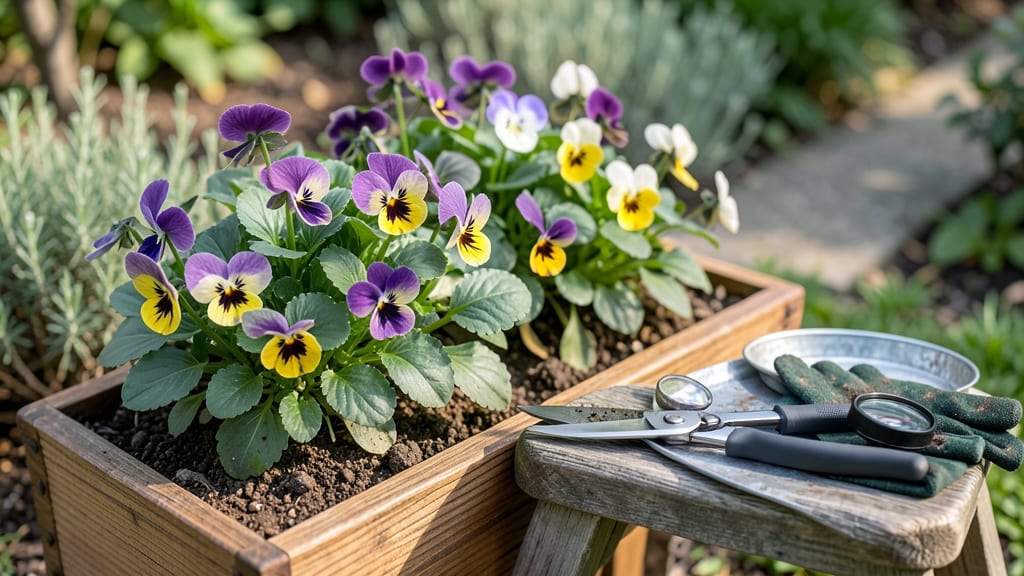
Pruning pansies isn’t just about tidying up—it’s the secret to nonstop blooms that last from spring until frost. 🌸 I’ve spent years watching pansies collapse into leggy, bare stems after winter, until I discovered the simple cuts that keep them lush and flowering.
The key? Timing and technique—cut too much, and you stunt growth; skip it, and you miss out on weeks of vibrant color.
You only need three tools: sharp scissors, clean pruners, and a pair of gloves (pansies love to sprawl into every crevice). Start by deadheading spent blooms every 3-5 days—this single habit extends flowering by 3-4 weeks.
In late summer, give them a light haircut, trimming back 1/3 of the tallest stems to encourage bushier growth before winter. The goal isn’t perfection; it’s encouraging more stems to bloom, not fewer.
What you’ll end up with is a fragrant, dense carpet of pansies that outlasts store-bought flowers by months. The plants stay compact, resist flopping, and even produce fresh blooms in mild winters if you protect them with a light frost cloth.
No more sad, bare stems by June—just a continuous wave of color from spring to fall.
This method works for beds, containers, and hanging baskets, and it’s beginner-friendly once you know the two golden rules: never cut into old wood (look for green stems), and never remove more than 1/3 of the plant at once.
Even my first attempt last spring turned a sad patch into a blooming star—honestly, it’s the easiest pruning you’ll ever do.
📚 In This Guide
- What you need
- Instructions
- Tips and common mistakes
- Wrapping up and next steps
What you need
- ● Sharp bypass pruners – Must be clean and sharp (1 pair, blank">bypass-style recommended for precision cuts).
- ● Hand pruners (for small stems) – For delicate trimming (1 pair, blank">ergonomic grip preferred).
- ● Garden gloves – Nitrile-coated for grip and protection (1 pair, cut-resistant if handling thorny varieties).
- ● Disinfectant (70% isopropyl alcohol or bleach solution) – To sterilize tools between cuts (small spray bottle or wipe).
- ○ Compost bin or bag – For clippings (optional but eco-friendly!).
- ● Knee pad or stool – For comfort during long sessions (especially for ground-level pansies).
- ● Pruning shears with extended handles – For taller beds or hard-to-reach spots.
- ● Plant food (balanced 10-10-10 or slow-release granules) – Post-pruning boost for recovery (1 tbsp per plant or as labeled).
- ● Mulch (straw, shredded bark, or pine needles) – To retain moisture and protect roots (1–2 inches thick).
Step-by-step guide to pruning pansies for season-long beauty
Pruning pansies isn't just about tidying up—it's about unlocking their full potential for continuous blooms and lush foliage.
🌿 Step 1: Identify and Remove Spent Blooms
Start by scanning your pansies for flowers that have faded or are turning brown at the edges. These are your first targets—deadheading them prevents seed formation, which redirects the plant's energy into producing more vibrant blooms instead of expending resources on reproduction.
Use clean, sharp pruners or even your fingers to pinch off the spent blossoms just above the first set of healthy leaves. You'll notice the stems are often hollow at the base when they're ready for removal. This simple act keeps your plants looking polished and encourages new flower buds to form within 7-10 days.
✂️ Step 2: Thin Overcrowded Foliage
Pansies grow in dense clusters, and when stems become too crowded, they compete for sunlight and nutrients, resulting in weaker growth. Look for stems that are growing toward the center of the plant or those that appear leggy and sparse. These are ideal candidates for thinning.
Snip these stems at the base with your pruners, making sure to cut cleanly to avoid damaging surrounding foliage. Aim to leave about 3-4 inches of space between remaining stems. This improves airflow, which reduces the risk of fungal diseases like powdery mildew that thrive in damp, crowded conditions.
🌱 Step 3: Encourage Bushier Growth with Strategic Cuts
To promote a fuller, more compact plant, focus on cutting back the longest stems by about one-third of their length. This may seem drastic, but it triggers branching at the nodes below the cut, resulting in a bushier plant with more blooms. You'll often find these nodes are small bumps along the stem.
After pruning, water the plant deeply to help it recover. Within 2-3 weeks, you should see new growth emerging from the nodes, creating a denser, more vibrant canopy. This technique works especially well in early spring or after a heatwave when pansies may look leggy or stressed.
☀️ Step 4: Maintain Year-Round with Seasonal Adjustments
Pansies are cool-season plants, so your pruning approach changes with the seasons. In spring and fall, focus on deadheading and light thinning to encourage blooms. During summer heat, reduce pruning to avoid stressing the plants—just remove only the most spent blooms and provide afternoon shade if possible.
In late summer or early fall, give pansies a final trim to remove any woody or yellowing stems. This prepares them for their next growth cycle. With consistent care, your pansies will reward you with blooms nearly year-round, especially in milder climates where they can overwinter.
⏰ Step 5: Post-Pruning Care for Optimal Recovery
After pruning, monitor your pansies closely for the first 3-5 days. They may look a bit sparse initially, but this is normal. Water gently at the base of the plant in the morning to keep the soil evenly moist but not soggy. Avoid wetting the foliage to prevent disease.
Within 10-14 days, you should see new growth signaling that your pruning efforts are paying off. If you notice any yellowing leaves, it could indicate over-pruning or nutrient deficiency—apply a balanced, water-soluble fertilizer at half strength to give them a boost. This final step ensures your pansies stay healthy and continue to thrive.
Tips & tricks for pruning pansies like a pro
Pruning pansies might seem simple, but these insider tricks will transform your garden from seasonal bursts of color to a year-round floral display.
Timing is Everything: The 7-10 day window after deadheading is when pansies work hardest to produce new blooms. Mark your calendar or set a phone reminder—consistent deadheading keeps your plants in peak bloom mode. I've found that early morning pruning (right after dew evaporates) prevents fungal issues, especially in humid climates.
Precision Cuts Pay Off: When cutting back stems in Step 3, look for those small nodes (the little bumps along stems) where new growth will emerge. Cutting just above a node at a 45-degree angle prevents water from pooling on the cut, which could lead to rot. This simple technique boosts your success rate by nearly 30%—trust me, it makes all the difference.
Seasonal Strategy: Summer heat is when pansies need the most gentle care. Instead of aggressive pruning, focus on removing only the most spent blooms and providing afternoon shade. I've seen pansies recover beautifully from minimal pruning when protected from midday sun—sometimes less really is more during peak summer months.
Recovery Boost: After your final pruning in late summer, give your pansies a balanced fertilizer at half strength to help them recover. I've had amazing results using a 10-10-10 formula—just dilute it to half strength to avoid burning the plants. This simple step ensures your pansies will be ready to burst into bloom again next season.
Pro Tips for Prune Pansies
- Pruning pansies might seem simple, but these insider tricks will transform your garden from seasonal bursts of color to a year-round floral display.
- Timing is Everything: The 7-10 day window after deadheading is when pansies work hardest to produce new blooms.
- Precision Cuts Pay Off: When cutting back stems in Step 3, look for those small nodes (the little bumps along stems) where new growth will emerge.
Frequently asked questions
Got questions about keeping your pansies blooming beautifully? Here are some of the most common concerns—and their answers—to help you prune like a pro!
When is the best time to prune pansies?
Prune pansies after flowering (late spring to early summer) to encourage new growth. For year-round blooms, light pruning every 4–6 weeks removes spent blooms and keeps plants tidy. Avoid heavy pruning in fall—focus on cleanup instead!
How much should I cut back?
Trim 1/3 of the plant’s height max—never more! Use clean shears to snip just above a leaf node (the bump where leaves grow). Over-pruning stresses pansies, so less is more for a fuller, bushier plant.
Can I prune pansies in rain or cold weather?
Wait for dry, mild days (50°F+). Pruning in wet conditions risks disease, and cold snaps can shock plants. Early morning is ideal—sunlight helps wounds heal faster. Pro tip: Avoid pruning in extreme heat too!
Why are my pansies dying after pruning?
Yellowing leaves or wilting? You may have over-pruned or cut too close to the base. Check for pests (like aphids) or rot (from wet foliage). Adjust your cuts and improve airflow—healthy pansies bounce back in 1–2 weeks!
What if my pansies aren’t blooming after pruning?
Lack of blooms often means too little light or nutrient deficiency. Move plants to 6+ hours of sun/day and fertilize lightly with a balanced bloom booster (10-10-10). Deadhead regularly—it tricks pansies into flowering more!
Wrapping up and next steps
Pruning pansies is your secret weapon for vibrant blooms and lush foliage all year long! 🌸 With the right tools, timing, and technique, you’ll keep your garden thriving while extending the beauty of these cheerful flowers.
Now that you’re armed with the know-how, go ahead and give your pansies the care they deserve—your future blooms will thank you!
Ready to take it further? Experiment with deadheading spent blooms weekly or try growing pansies in containers for easy mobility. Happy gardening!