
Pruning
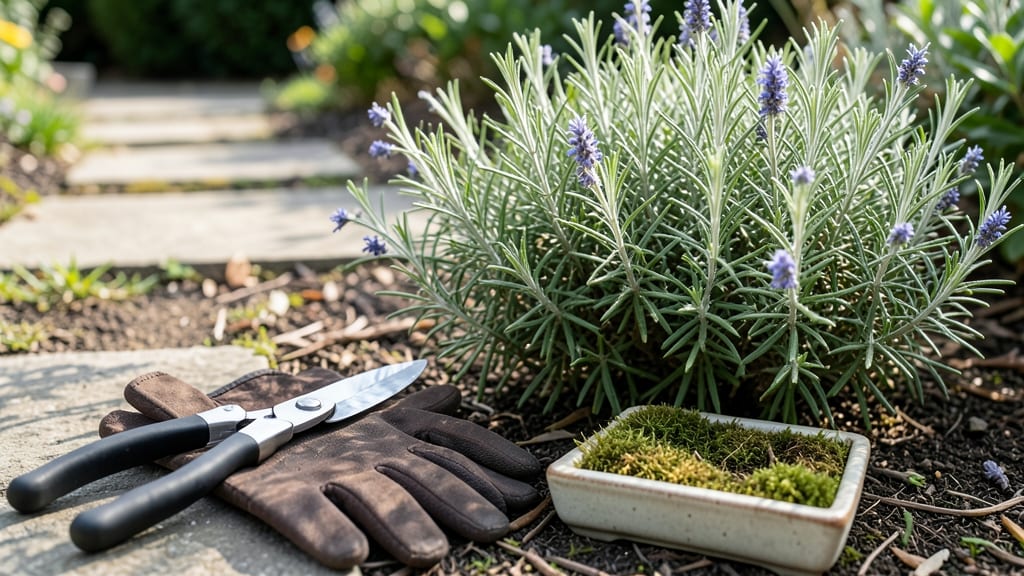
Pruning a rosemary bush sharpens its growth like a chef honing a knife—the right cuts keep it fragrant and bushy for years. 🌿 I’ve turned my woody, leggy rosemary into a lush, pine-scented powerhouse by mastering just three simple rules: when to cut, where to cut, and how to shape it.
The payoff? More needles, better air flow, and a plant that thrives instead of fading. Timing matters most: prune in late winter or early spring before new growth starts, or after flowering in fall.
Grab sharp bypass pruners (never dull scissors!) and cut just above a leaf node at a 45-degree angle—this prevents water from pooling. Avoid cutting into old wood; rosemary struggles to regrow from bare stems. You’ll see fresh green shoots within 3–4 weeks, and the bush will fill out dramatically.
The key is patience: never trim more than one-third of the plant at once, or you risk stressing it. For upright varieties, let the center grow taller while pinching back side branches to encourage width. This method works for both potted and in-ground rosemary—just adjust the tools for size.
A well-pruned bush stays compact, fragrant, and productive for 5+ years. Here’s how to avoid the three mistakes that kill rosemary’s growth (spoiler: over-pruning is the worst).
📚 In This Guide
- What you need
- Instructions
- Tips and common mistakes
- Wrapping up and next steps
What you need
- ● Sharp pruning shears: Choose bypass pruners (for clean cuts) or anvil pruners (for thicker stems). A 5- to 6-inch blade works best for most rosemary bushes.
- ● Hand pruners or hedge shears: For finer trimming or shaping, especially if your bush is dense or overgrown.
- ● Garden gloves: A pair of cut-resistant, breathable gloves (e.g., nitrile-coated or leather) to protect your hands from thorns and rough stems.
- ○ Disinfectant (optional but recommended): A small bottle of rubbing alcohol (70% isopropyl) or a garden disinfectant to sterilize tools between cuts and prevent disease spread.
- ● Garden waste bag or bucket: A 10-gallon capacity is ideal for collecting pruned branches.
- ● Compost bin or mulch: To repurpose pruned rosemary (it’s great for compost or mulch!).
- ● Watering can or hose: A 1-gallon capacity with a gentle spray nozzle to hydrate the plant post-pruning.
- ● Sunny day: Prune on a clear, dry morning to reduce stress on the plant and allow wounds to heal quickly.
- ● Know your rosemary type: Upright varieties (like Rosmarinus officinalis) need different pruning than trailing types (like Prostratus).
- ● Patience: Rosemary responds best to gradual pruning—avoid cutting more than 1/3 of the plant at once.
Step-by-Step guide to pruning a rosemary bush
Here’s how to keep your rosemary lush, fragrant, and thriving year after year.
✂️ Step 1: Time Your Pruning for Peak Growth
Prune rosemary in early spring just as new growth begins, or after flowering in late spring to early summer. Avoid pruning in fall or winter—rosemary needs its foliage to protect against cold. The best time is when you see fresh, vibrant shoots emerging from the base. This ensures you’re cutting back just before a growth surge, not after the plant has already put its energy into new leaves.
If your rosemary is overgrown or leggy, you can do a light trim in mid-summer to encourage bushier growth, but avoid heavy pruning then—it stresses the plant before winter. Always prune on a dry, sunny day to reduce the risk of fungal issues. Mornings are ideal because the plant has all day to recover before evening moisture sets in.
✂️ Step 2: Use the Right Tools for Clean Cuts
Never prune rosemary with dull shears—they crush stems and invite disease. Grab a pair of sharp, sterilized pruning shears (clean them with rubbing alcohol between cuts if working with multiple plants). For larger branches, use bypass pruners to avoid tearing the woody stems. I like to keep a small bottle of 70% isopropyl alcohol handy to wipe the blades between cuts, especially if the plant shows signs of powdery mildew.
Make cuts at a 45-degree angle just above a leaf node or lateral branch. This encourages new growth to sprout from the side rather than the tip, creating a fuller bush. Avoid cutting into old, woody stems—rosemary struggles to regrow from heavily lignified wood. If you’re pruning for harvest, focus on the outer stems first; this keeps the center of the plant dense and productive.
✂️ Step 3: Shape and Thin for Airflow and Light
Rosemary hates crowded, shaded centers. Step back and assess the bush—aim to remove one-third of the oldest growth while opening up the center. Start by trimming back any dead, diseased, or crossing branches at their base. These are the first to go because they compete with healthy growth and trap moisture. Use your hand as a guide: if you can’t see light through the center, it’s time to thin.
For shaping, trim the outer stems to encourage a rounded, natural form. Avoid shearing into a tight ball—rosemary grows best with an open, airy structure. Cut just above a set of leaves where you want new growth to emerge. If you’re unsure where to cut, look for the small bump where a side branch meets the main stem—this is your target spot. The goal is to maintain a balance between harvestable stems and the plant’s ability to photosynthesize.
🌿 Step 4: Prune for Harvest and Encourage New Growth
If you’re pruning to harvest, focus on the outer stems—these are the most flavorful and won’t sacrifice the plant’s structure. Cut back to just above a leaf node, leaving at least 3-4 inches of growth on the main stem. This ensures the plant has enough foliage to recover. For bushier growth, trim the top third of the stems in a staggered fashion—don’t cut all the way back to the base, or you’ll leave the plant vulnerable to winter damage.
After pruning, step back and admire your work. You should see an open, airy structure with plenty of light reaching the center. Water the plant lightly after pruning (unless it’s been unusually dry) to help it recover. Avoid heavy watering immediately after cutting—rosemary prefers dry conditions and can rot if overwatered post-prune. Within 2-3 weeks, you’ll notice fresh, vibrant growth spouting from the cut areas.
⏰ Step 5: Maintain Year-Round with Light Trims
Pruning isn’t just a seasonal task—it’s an ongoing conversation with your rosemary. Throughout the growing season, snip off any woody or leggy stems as you notice them. This keeps the plant compact and encourages dense foliage. I like to do a quick once-over every 4-6 weeks during the active growing months (spring through fall) to remove spent flowers and any stems that look tired.
In late fall, give your rosemary a final light trim to remove any dead or damaged growth before winter. This helps the plant enter dormancy in the best possible shape. Avoid heavy pruning in winter unless you’re in a mild climate—rosemary is semi-evergreen but still benefits from a lighter touch during colder months. With consistent, thoughtful pruning, your rosemary will stay fragrant, productive, and full of life for years.
Tips & tricks for pruning a rosemary bush
Here's what nobody tells you about keeping your rosemary thriving—these are the details that separate a bushy, fragrant plant from one that's struggling.
Seasonal Timing Secret: The early spring timing in Step 1 is non-negotiable for Mediterranean rosemary varieties. If you're growing a more cold-hardy variety like 'Arp' or 'Hill Hardy', you can extend the window slightly into late fall—but never before the first frost. I learned this the hard way after pruning too early in fall and nearly losing my plant to winter damage. The key visual cue is fresh, vibrant shoots emerging from the base, not just any new growth.
Tool Technique That Changed Everything: That 45-degree angle in Step 2 isn't just for looks—it creates a larger surface area for new growth to emerge from. Use a ruler or angle guide on your pruners to maintain consistency. For stubborn branches, I've found that scoring the stem lightly with the blade first makes the clean cut easier. And if you're dealing with powdery mildew, sterilize your tools between cuts with rubbing alcohol—this single step prevented a fungal outbreak in my garden last year.
Pruning for Harvest Intelligence: When harvesting in Step 4, focus on stems that are at least pencil-thick—they contain the most essential oils. Cut just above a leaf node where you see that small bump indicating a lateral branch. This technique ensures you're not sacrificing the plant's future growth while still getting the most flavorful stems. I've noticed that stems harvested from the outer third of the plant consistently have more intense aroma than those from the center.
Recovery Strategy: The 2-3 week recovery period mentioned in Step 4 is your plant's chance to show off its resilience. During this time, resist the urge to harvest again—let those new shoots establish themselves. I've found that lightly misting the fresh cuts (not soaking) with water in the morning helps prevent wilting while the plant adjusts. This simple step has dramatically improved my rosemary's ability to bounce back after heavy pruning.
Pro Tips for Prune A Rosemary Bush
- Here's what nobody tells you about keeping your rosemary thriving—these are the details that separate a bushy, fragra...
- Seasonal Timing Secret: The early spring timing in Step 1 is non-negotiable for Mediterranean rosemary varieties. If ...
- Tool Technique That Changed Everything: That 45-degree angle in Step 2 isn't just for looks—it creates a larger surfa...
Frequently asked questions
Got questions about pruning rosemary? You’re not alone! Here are some of the most common concerns—plus clear, no-fuss answers to keep your bush thriving.
When is the best time to prune rosemary?
Prune rosemary in early spring (just as new growth starts) or late summer (after flowering). Avoid heavy pruning in winter—cold stress can harm the plant. Light trimming to shape? That’s fine year-round!
Can I prune rosemary too much?
Yes! Over-pruning—especially cutting into old wood (woody stems)—can stress the plant or even kill it. Stick to 1/3 of the plant’s height max per year and avoid stripping bare stems. Rosemary is tough, but it’s not indestructible!
What if my rosemary turns brown after pruning?
Brown tips or stems after pruning? It’s usually normal stress—just trim those spots off. If it’s widespread, check for overwatering (rosemary hates soggy soil) or sunburn (move it to partial shade temporarily). Give it time to recover!
Do I need special tools to prune rosemary?
Not necessarily! Clean, sharp bypass pruners or even sharp scissors work for small bushes. For larger stems, use hand pruners or loppers. Pro tip: Disinfect tools with rubbing alcohol between cuts to prevent disease.
Can I propagate rosemary from cuttings after pruning?
Hardwood cuttings
(from late fall/winter) or softwood cuttings (from spring/summer) root easily. Dip the cut end in rooting hormone, plant in well-draining soil, and keep moist (but not soggy). New plants in 4–6 weeks!
Still unsure? Drop your rosemary pruning questions in the comments—we’re happy to help!
Wrapping up and next steps
Pruning your rosemary bush doesn’t have to be intimidating—just follow the right steps, and you’ll reward yourself (and your garden!) with lush, fragrant growth for years to come. 🌿 Whether you’re shaping it for aesthetics, encouraging new blooms, or harvesting fresh sprigs, consistency is key.
Now that you’re armed with the know-how, grab those shears and give your rosemary the TLC it deserves!
Next up: Try experimenting with different pruning techniques—like hedging for topiary shapes or pinching for bushier growth—to see what works best for your space. Happy pruning! ✂️