
Pruning
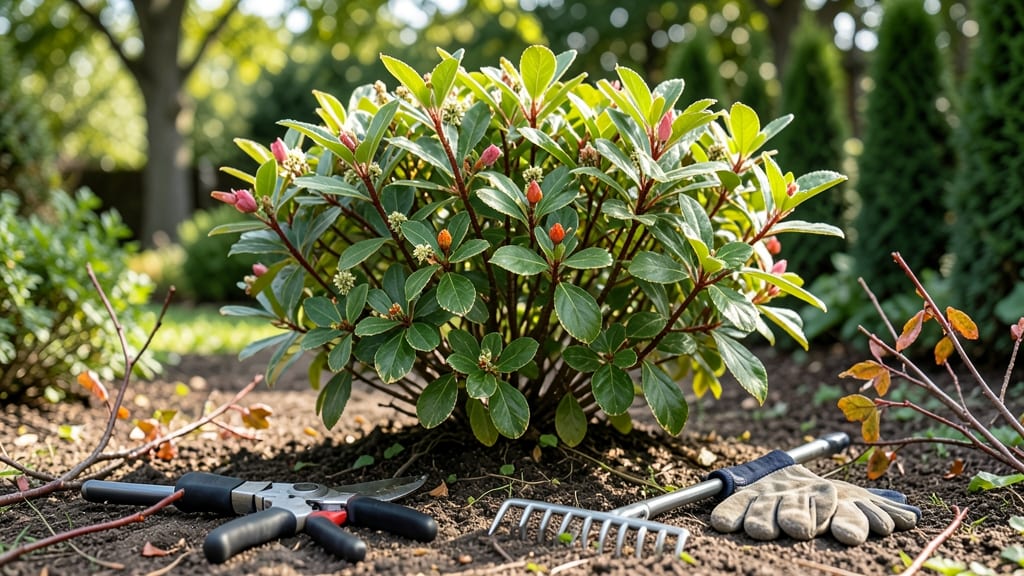
Pruning euonymus in late winter isn’t just about shaping—it’s about reviving your plant’s energy after winter’s dormancy. ✂️ I’ve learned the hard way that skipping this step leads to leggy growth and fewer vibrant blooms, but the right cuts transform a tired shrub into a dense, disease-resistant powerhouse by summer.
The key is timing: prune right after your last frost when new growth is about to burst, but before buds swell. You’ll need clean, sharp pruners (dull blades tear bark and invite disease), gloves, and a bucket for clippings.
The goal? Open the center for airflow and sunlight while maintaining that natural, layered look euonymus is famous for.
What you’ll end up with is a thicker canopy that resists powdery mildew and pests, plus those signature bright pink or red stems showing off in fall.
Even better, the plant directs energy into new growth instead of struggling with dead wood—your euonymus will thank you with bold, healthy foliage all season.
This works for both boxwood-like varieties and sprawling types, though compact euonymus need lighter cuts. For those with variegated leaves, prune to preserve the color contrast. Here’s how to do it without turning your shrub into a sad, over-pruned stump.
📚 In This Guide
- What you need
- Instructions
- Tips and common mistakes
- Wrapping up and next steps
What you need
- ● Pruning shears: Bypass pruners (for clean cuts on small stems, 4-6" blades) or anvil pruners (for thicker branches, 5-8" blades). Sanitize with rubbing alcohol or a 10% bleach solution between cuts to prevent disease!
- ● Loppers: Bypass-style (18-24" handles) for medium-sized branches (up to 2" in diameter).
- ● Pruning saw: Curved-tooth saw (for stubborn, woody stems >2" thick).
- ● Gloves: Heavy-duty gardening gloves (nitrile-coated for grip and protection from thorns or sap).
- ● Disposable pruning bags: 2-3 mesh bags (10-15 gallon capacity) to collect debris and fallen leaves.
- ● Rake: Bow rake (for clearing fallen leaves and small debris post-pruning).
- ● Ladder: Folding step ladder (if pruning tall euonymus, 6-8 ft height).
- ○ Pruning sealant: Tree wound dressing (for large cuts >0.5" diameter; optional but reduces risk of disease entry).
- ● Marking spray: Water-soluble paint (to mark branches for removal if planning a major shape-up).
- ● Hand saw: Pruning saw with a fine-tooth blade (for precision cuts on delicate stems).
- ● Knee pads: For comfort if working on the ground or in tight spaces.
- ● Weather check: A light rain jacket or sun hat (pruning on cool, dry days is ideal—avoid frost or extreme heat!).
Step-by-step instructions for pruning euonymus plants
Here's my go-to method for revitalizing euonymus shrubs—clean cuts, strategic shaping, and disease prevention all in one session.
✂️ Step 1: Gather Your Tools and Prep the Workspace
Start with sharp, sterilized pruning shears—dull blades tear stems and create entry points for disease. I like to wipe them down with rubbing alcohol between cuts on different plants. Lay out a drop cloth or tarp underneath to catch debris, and have a bucket of water nearby to rinse off tools if sap gets sticky.
Work on a dry, calm day when temperatures are above 40°F—euonymus handles pruning better when it's not stressed by cold or wind. If your plant has dead or diseased branches, set those aside in a sealed bag for disposal. Euonymus is tough, but it won’t tolerate weak cuts or contaminated tools.
✂️ Step 2: Remove Dead, Diseased, or Crossing Branches First
Scan the shrub for brown, brittle stems (dead wood) or mushy, discolored branches (disease). Cut these back to the main stem or healthy growth using a 45-degree angle—this helps water run off instead of pooling. If a branch is thicker than ½ inch, use loppers to avoid tearing the bark.
Next, look for crossing branches rubbing against each other. These create wounds that invite pests. Remove the smaller of the two branches at its base. I like to step back every few cuts to check the shape—euonymus responds well to an open, airy structure, so don’t overcrowd the center.
✂️ Step 3: Thin Out Overcrowded Areas for Airflow
Euonymus thrives when it gets good airflow—this prevents fungal issues like powdery mildew. Focus on the interior of the shrub where branches may be too dense. Select 1-2 branches per cluster to remove entirely, cutting back to a bud or side shoot facing outward. This opens up the canopy while keeping the plant full.
Watch for water sprouts—those are the tall, skinny shoots growing straight up. These steal energy from the rest of the plant. Snip them off at the base. You’ll know you’re doing it right when you can see light and air moving through the middle of the shrub after thinning.
✂️ Step 4: Shape the Outer Canopy for Balance
Step back and assess the overall silhouette. Euonymus can handle a rounded or slightly conical shape, depending on the variety. Use your shears to shorten the longest branches by about ⅓—this encourages bushier growth. Always cut just above a leaf bud or outerward-facing branch to maintain the plant’s natural form.
If your euonymus has one side that’s sparser, avoid over-pruning there. Instead, focus cuts on the fuller side to balance it out. Euonymus grows well, so it’ll fill in quickly—just give it time. After shaping, run your hands through the branches to check for rough spots or snags—smooth cuts heal faster.
⏰ Step 5: Clean Up and Monitor for New Growth
Rake up all the debris and dispose of it away from your garden—never compost diseased plant material. Give your tools a final wipe-down with alcohol to prevent cross-contamination. Water the base of the plant deeply but gently to help it recover from the pruning stress.
In 4-6 weeks, you’ll see new growth at the buds you left behind. This is your cue that the pruning worked! Keep an eye out for soft, green shoots—these are the plant’s way of telling you it’s happy. If you notice yellowing leaves or wilting, it might be over-pruned or stressed; hold off on heavy cuts next time.
Tips & tricks for perfect euonymus plant pruning
Here's what nobody tells you about pruning euonymus—these tricks will transform your shrub from ragged to radiant.
Tool Prep is Non-Negotiable: Sterilizing your pruning shears between cuts prevents spreading disease from one branch to another. I keep rubbing alcohol in a small spray bottle right next to my workspace—just a quick wipe between each plant makes all the difference. For thicker branches over ½ inch, switch to loppers immediately to avoid crushing the bark, which creates entry points for pests.
Timing Secret: Late winter is ideal because euonymus is still dormant but about to burst with new growth. The 40°F minimum temperature ensures the plant isn't stressed by cold—any colder and you risk shock that could set back its revival. If your winter stretches into early spring, wait until you see the first signs of bud swell before pruning.
Shape with Purpose: When you're shaping in Step 4, think about the plant's natural growth habit. For upright varieties, maintain that vertical energy by cutting back just above outward-facing buds. For sprawling types, encourage that natural habit by thinning from the center outward. The key is to always visualize how the plant will fill in—euonymus grows back quickly, so leave room for that new growth to shine.
Post-Pruning Care: After you've finished, give your euonymus a gentle watering at the base to help it recover from the stress. The 4-6 week window for new growth is your best indicator of success—during this time, avoid any heavy pruning or fertilizing. Instead, focus on keeping the soil moist and watching for those first soft green shoots as your reward for a job well done.
Pro Tips for Euonymus Plant Pruning
- Here's what nobody tells you about pruning euonymus—these tricks will transform your shrub from ragged to radiant.
- Tool Prep is Non-Negotiable: Sterilizing your pruning shears between cuts prevents spreading disease from one branch to another.
- Timing Secret: Late winter is ideal because euonymus is still dormant but about to burst with new growth.
Frequently asked questions
Got questions about pruning your euonymus plants? You’re not alone!
Whether you're a first-time pruner or just want to keep your shrubs thriving, here are some of the most common concerns—and expert answers to help you prune with confidence.
When is the best time to prune euonymus for maximum health?
Late winter to early spring (just before new growth starts) is ideal for hard pruning—this encourages dense, bushy growth. For light shaping, you can prune anytime except during extreme heat or frost. Avoid heavy cuts in fall, as it can leave wounds vulnerable to disease.
How much can I trim back my euonymus without harming it?
Euonymus is tough! You can safely prune up to one-third of the plant’s height in a single season, but avoid cutting into old wood (brown stems) unless rejuvenating. For overgrown shrubs, gradual pruning over 2–3 years yields better results than drastic cuts.
Why does my euonymus look sad after pruning?
Don’t panic! Euonymus may temporarily look leggy or sparse post-prune, but it rebounds quickly. Focus on clean cuts (use sharp tools!) and fertilize lightly afterward. Yellowing leaves? It could be stress—water deeply and avoid pruning during drought.
Can I prune euonymus into a hedge or topiary shape?
Euonymus responds well to structured pruning. For hedges, trim new growth regularly to maintain shape. For topiary, use wire frames and prune just above leaf nodes. Varieties like Euonymus japonicus are especially cooperative.
What if I prune at the wrong time and my euonymus doesn’t recover?
Late pruning (summer/fall) can stunt growth, but your plant may still recover. Focus on care: water consistently, mulch to protect roots, and avoid heavy fertilizer. If branches die back, prune them out in late winter. Euonymus is forgiving—patience is key!
Wrapping up and next steps
Pruning your euonymus plant in late winter isn’t just about tidying up—it’s your secret weapon for a healthier, more vibrant canopy all season long! 🌿 With the right tools, timing, and techniques, you’ll encourage lush growth, prevent disease, and keep pests at bay.
Whether you’re shaping a hedge or nurturing a single specimen, a little effort now means big rewards later.
Ready to give your euonymus the care it deserves? Grab your pruners, roll up your sleeves, and get pruning—your plant (and your garden!) will thank you. Need a refresher? Bookmark this guide and revisit it before your next pruning session!