
Pruning
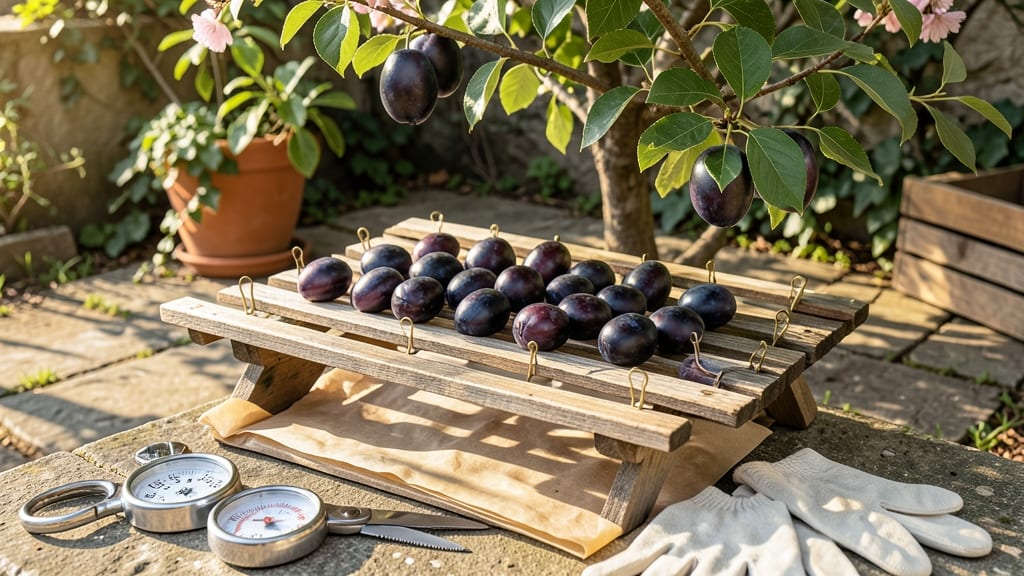
Drying Italian prune plums turns your harvest into sweet, chewy treasures for jams and pastries—no fancy equipment needed. 🌿 I’ve dried hundreds of pounds of these plums over the years, and the secret isn’t just time in the sun or dehydrator; it’s picking the perfect fruit and handling them just right.
One wrong move, and you end up with sticky messes or moldy batches. The best plums for drying are deep purple, slightly soft when gently squeezed, and free of bruises. A good rule of thumb: if it smells rich and sweet, it’s ready.
Spread them on trays with space between each fruit—crowding leads to uneven drying and spoilage. For sun-drying, choose a hot, dry day with shade in the afternoon to prevent burning. After 3-5 days (depending on humidity), your plums should be leathery and shriveled—test one by poking it with a skewer.
If it slides right through, they’re done. Store in airtight containers in a cool, dark place, and they’ll keep for up to a year, ready to sweeten your favorite recipes. This method works for any plum variety, but Italian prunes shine because of their natural sugar and low moisture.
The key is patience—rushing leads to chewy, uneven results. Once you master it, you’ll never buy store-bought again!
📚 In This Guide
- What you need
- Instructions
- Tips and common mistakes
- Wrapping up and next steps
What you need
- ● Italian prune plums: 2–3 lbs (fresh, ripe, and firm—avoid overripe or bruised fruit).
- ● Sharp knife or pruning shears: For trimming stems and cutting plums into even halves.
- ● Cutting board: A sturdy, food-safe surface to prep your fruit.
- ● Drying racks or dehydrator trays: 2–3 non-metallic, mesh or perforated trays (if using a dehydrator) or wooden racks lined with parchment paper (for air-drying).
- ○ Dehydrator (optional but recommended): A food-grade dehydrator with adjustable temperature settings (135°F–145°F ideal).
- ● Paper towels or clean kitchen cloths: For patting plums dry to speed up drying.
- ○ Spray bottle with water (optional): To lightly mist plums if air-drying in a dry climate.
- ● Air-tight storage containers: Glass jars or vacuum-sealed bags with oxygen absorbers for long-term storage.
- ● Citric acid or lemon juice: A few drops to prevent browning (if slicing thin).
- ● Food-safe parchment paper: For easy cleanup when air-drying.
- ● Digital kitchen scale: For precise measurements if scaling recipes later.
- ● Humidity monitor: To track environmental conditions for air-drying.
Step-by-step instructions for drying Italian prune plums
Here's how to transform fresh Italian prune plums into sweet, chewy dried fruit perfect for jams and pastries.
🌿 Step 1: Select and Prepare the Plums
Pick plums that are fully ripe but still firm—overripe ones turn mushy when dried. Rinse them gently under cool water to remove any dirt or debris, then pat completely dry with a clean kitchen towel. This step is critical because any moisture left on the fruit will make drying uneven.
I like to trim the stems off with kitchen shears for a cleaner look, but leave the skins intact. The skin adds texture and flavor to your dried plums. Arrange them in a single layer on a baking sheet lined with parchment paper, making sure they don’t touch. This spacing prevents them from sticking together during drying.
☀️ Step 2: Choose Your Drying Method
You have two reliable options: oven drying or using a food dehydrator. For oven drying, preheat your oven to 170°F—this is low enough to cook the fruit gently without burning it. Place the baking sheet with plums on the middle rack and prop the oven door open slightly with a wooden spoon to allow moisture to escape.
If you're using a dehydrator, follow the manufacturer's instructions for fruit settings, which typically run between 135°F and 145°F. The dehydrator will take longer but requires less attention. Either method should take 8-12 hours, depending on humidity levels. You’ll know they’re done when the plums are leathery to the touch and no longer juicy.
⏰ Step 3: Test for Doneness and Store Properly
Remove the plums from the oven or dehydrator and let them cool completely on a wire rack. They should be pliable but not sticky. If any feel damp, return them to the drying method for another hour. Over-drying turns them tough, but under-drying risks spoilage.
Once cooled, store your dried plums in an airtight container in a cool, dark place. They’ll keep for up to 6 months, though they’re best used within 3 months for peak flavor. For long-term storage, freeze them in a sealed bag—they’ll last up to a year without losing quality.
🍯 Step 4: Use in Homemade Jams and Pastries
Now that your plums are ready, you can use them in jams by simmering them with sugar, lemon juice, and spices like cinnamon or vanilla. For pastries, chop them finely and fold into dough for sweet fillings or sprinkle over tarts. The concentrated sweetness and chewy texture make them a perfect homemade touch.
I often blend a handful into yogurt or oatmeal for a natural sweetener boost. The key is to use them within a few months for the best flavor—freshly dried plums taste far superior to store-bought versions.
Tips & tricks for perfect dried Italian prune plums
Transforming fresh plums into sweet, chewy dried fruit takes patience—but these little tricks make all the difference.
Selection Tip: Look for plums that are deep purple with a slight give when gently squeezed. Avoid any with soft spots or wrinkled skin—they’ll turn mushy during drying. If you’re unsure about ripeness, cut one open: the flesh should be firm but not hard, and the pit should release easily. This careful selection is what separates perfect dried plums from disappointing results.
Temperature Matters: The 170°F oven setting is your sweet spot—too hot and you risk burning the fruit’s edges before the center dries. For dehydrators, stick to the 135°F-145°F range, even if it takes longer. I’ve found that dehydrators work best when set to the lower end of this range (around 135°F) for more even drying without over-browning. Humidity plays a huge role here, so check your plums after 8 hours if you live in a damp climate.
Make-Ahead Strategy: You can prep your plums up to 24 hours in advance by washing, drying, and trimming them, then storing them uncovered in the fridge. This gives the skins time to firm up slightly, which helps prevent sticking during drying. Just make sure they’re completely dry before arranging them on the baking sheet—any moisture will create a steamy environment that slows the process and can lead to mold.
Doneness Test: The perfect dried plum should bend slightly when you press it gently but not feel sticky or gummy. If any plums still feel damp after the full 8-12 hours, return them to the drying method for 1-2 more hours. Over-drying makes them tough and leathery, while under-drying can lead to spoilage. I like to test a few plums every couple of hours after the 8-hour mark to avoid overcooking.
Pro Tips for Drying Italian Prune Plums
- Transforming fresh plums into sweet, chewy dried fruit takes patience—but these little tricks make all the difference.
- Selection Tip: Look for plums that are deep purple with a slight give when gently squeezed.
- Temperature Matters: The 170°F oven setting is your sweet spot—too hot and you risk burning the fruit’s edges before the center dries.
Frequently asked questions
How long does it take to dry Italian prune plums?
Drying time depends on your method: air-drying takes 3–5 days in a dehydrator (at 135°F), oven-drying requires 6–8 hours with the door cracked, and sun-drying (if climate permits) can take 5–7 days. Test for doneness by checking for a leathery texture and no moisture when squeezed.
Can I dry prune plums without a dehydrator?
Use your oven on the lowest setting (170°F or less), prop the door open slightly for airflow, and flip plums every 2 hours. Alternatively, sun-drying works in hot, dry climates—just ensure they’re protected from pests and humidity.
How do I store dried Italian prune plums?
Store them in an airtight container (glass jars or vacuum-sealed bags) in a cool, dark place. They’ll last 6–12 months if kept dry. For longer storage, freeze them for up to 1 year. Avoid refrigeration unless humidity is a concern in your kitchen.
Are dried prune plums good for baking or cooking?
Yes! They’re perfect for jams, pastries, muffins, or sauces. Soak them in warm water for 10–15 minutes before using to rehydrate. Their concentrated sweetness and soft texture make them a great substitute for fresh plums in recipes like tarts, compotes, or even smoothies.
What if my dried plums develop mold or smell bad?
Mold or off smells mean contamination. Discard affected plums immediately—never taste-test moldy food. To prevent this, blanch plums in boiling water for 1–2 minutes before drying to kill bacteria, and ensure your drying surface (dehydrator trays, racks) is clean and dry before use.
Wrapping up and next steps
Drying Italian prune plums is a rewarding way to savor their natural sweetness year-round—whether in homemade jams, pastries, or as a healthy snack! 🌟 With the right tools and patience, you’ll unlock a versatile ingredient to elevate your kitchen creations.
Start small, experiment with techniques, and soon you’ll be enjoying homemade goodness that’s both delicious and budget-friendly.
Ready to dive in? Gather your plums, prep your dehydrator, and let the magic happen! Your future recipes—and taste buds—will thank you.