
Pruning
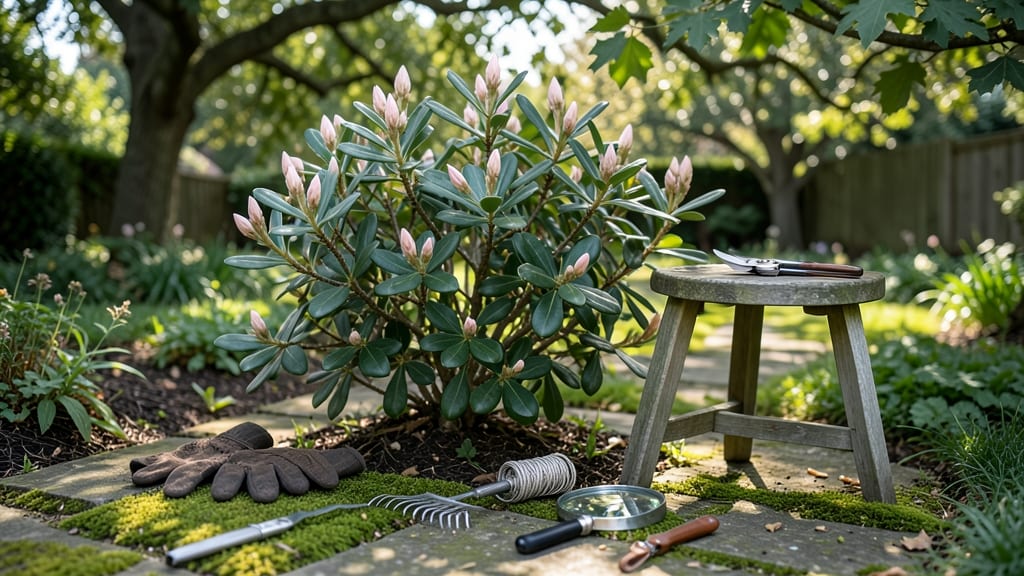
Pruning daphne plants transforms their growth from scraggly to shockingly lush—just a few cuts in the right spots unlocks that signature fragrance and dense foliage. 🌿 I’ve pruned mine every spring for five years, and the difference is night-and-day: more blooms, healthier stems, and a shape that actually fits my small patio.
The key? Timing and technique matter more than how much you trim.
You’ll need sharp bypass pruners, rubbing alcohol (to sterilize cuts), and a clear day when the plant isn’t actively flowering. Daphne responds best to pruning right after blooms fade—typically late spring to early summer—but you can also do light shaping in fall if needed.
Avoid pruning during winter dormancy, or you’ll risk stunting next year’s flowers.
Start by removing any dead, crossing, or weak branches at the base. Then, cut back the remaining stems by one-third to encourage bushier growth. Make cuts just above a leaf node or outward-facing bud, and always angle them slightly downward to shed water.
The result? A compact, fragrant bush that blooms heavier and stays vibrant all season.
Post-pruning, water deeply and hold off on heavy feeding for a month—let the plant focus on healing. If you notice yellowing leaves or sparse blooms, you may have pruned too aggressively. Daphne forgives mistakes, but it rewards precision with years of reliable fragrance and beauty.
📚 In This Guide
- What you need
- Instructions
- Tips and common mistakes
- Wrapping up and next steps
What you need
- ● Pruning shears – Bypass pruners (sharp, clean, and sterilized with rubbing alcohol) for clean cuts on small stems.
- ● Loppers – For thicker branches (if applicable), with a bypass blade and ergonomic grip.
- ● Garden gloves – Cut-resistant (e.g., nitrile-coated) to protect hands from thorns or sap.
- ● Disinfectant spray (e.g., 70% isopropyl alcohol or bleach solution) – To sterilize tools between cuts and prevent disease.
- ○ Pruning sealant (optional but helpful) – Tree wound dressing (e.g., Tanglefoot Pruning Seal) for large cuts to prevent sap loss.
- ● Garden twine or zip ties – To secure heavy branches temporarily if needed.
- ● Bucket or trash bag – For collecting pruned branches and debris.
- ● Notebook & pencil – To sketch your plant’s structure or note pruning decisions.
- ● Hand lens or magnifying glass – For inspecting buds or identifying pests up close.
- ● Plant food or fertilizer – Balanced, slow-release (e.g., 10-10-10) to nourish your daphne post-pruning.
- ● Mulch (pine bark or compost) – To protect roots and retain moisture after trimming.
- ● Spray bottle with water – For misting leaves if your daphne looks stressed.
- ● Camera or phone – Capture before/after shots to track growth progress!
Instructions for pruning daphne plants year-round
Here's how I keep my daphne bushes thriving with precise, seasonal pruning that boosts blooms and shape.
✂️ Step 1: Prune Immediately After Flowering
Daphne blooms on last year's growth, so I prune right after flowers fade—usually in late spring when spent blooms turn brown. Use clean, sharp pruning shears to cut back one-third of the oldest stems at the base. This encourages fresh, vigorous growth for next year's flowers while keeping the bush compact.
Look for stems that are woody and thick—these are the oldest. Remove them completely. You'll see new, green shoots emerging from the base after pruning, signaling the plant is putting energy into fresh growth. Never prune more than one-third at a time, or you risk shocking the plant.
✂️ Step 2: Light Summer Trimming for Shape
In mid-summer, I do a light trim to maintain shape and air circulation. Focus on tidy up any leggy growth or stems that cross the center of the bush. Cut just above a leaf node or outward-facing bud to encourage outward growth rather than inward.
Daphne responds well to shaping, but avoid heavy cuts. Aim for no more than 10-15% of the plant's overall volume removed. You'll know you're doing it right when the bush looks fuller and you can see sunlight reaching the center—this prevents fungal issues and encourages more blooms.
✂️ Step 3: Minimal Winter Pruning for Health
In late winter, just before new growth starts, I do a final check for dead or diseased wood. Remove any blackened, shriveled, or hollow stems at the base. Daphne is semi-evergreen, so dead wood is easy to spot—it won't have any green leaves or fresh growth.
This is also the time to thin out overly dense areas. Use your shears to make clean cuts at a 45-degree angle just above a bud. Avoid cutting into old wood, as daphne struggles to regrow from severe cuts. After pruning, water the base lightly to help the plant recover.
✂️ Step 4: Post-Pruning Care for Recovery
After each pruning session, I give my daphne a balanced fertilizer with equal parts nitrogen, phosphorus, and potassium. This helps the plant recover and supports new growth. Water deeply at the base—1-2 gallons per bush—to encourage roots to establish in the fresh cuts.
Watch for new shoots emerging from the base within 4-6 weeks. These indicate the plant is healthy and adapting to the pruning. If you see yellowing leaves, it might mean over-pruning or stress—reduce future cuts and keep the soil moist but not soggy.
Tips & tricks for perfect daphne plant pruning
Here's what I've learned after years of shaping my daphne bushes—these little details make all the difference for healthy, fragrant growth.
Timing is Everything: The late spring pruning after flowering is non-negotiable for daphne. I mark my calendar for when the last blooms turn brown—this is your cue to act. Waiting too long means you'll be cutting back new growth that could have produced this year's flowers. Think of it as a seasonal reset button for your plant's energy.
Tool Prep Matters: Before you even touch your daphne, sterilize your pruning shears with rubbing alcohol. I do this between every cut to prevent spreading disease. Also, always make clean cuts at a 45-degree angle—this helps water run off properly and prevents rot. I keep a small spray bottle of water nearby to wipe my shears between cuts on larger bushes.
Visual Cues for Pruning: When selecting which stems to remove in Step 1, look for the thickest, woody stems—they're the oldest and have served their purpose. The new growth you want to preserve will be thinner and more flexible. After pruning, if you see fresh green shoots emerging from the base within 4-6 weeks, you're doing it right. These are your plant's way of saying "thank you" for the fresh start.
Seasonal Adjustments: In colder climates, you might need to delay your late winter pruning until after the last frost. I test by looking for new growth buds—if they're still dormant, wait another week. The key is to prune just before growth starts, not during a frost when the plant is stressed. This timing ensures your daphne can recover quickly when spring arrives.
Pro Tips for Daphne Plant Pruning
- Here's what I've learned after years of shaping my daphne bushes—these little details make all the difference for healthy, fragrant growth.
- Timing is Everything: The late spring pruning after flowering is non-negotiable for daphne.
- Tool Prep Matters: Before you even touch your daphne, sterilize your pruning shears with rubbing alcohol.
Frequently asked questions
Got questions about pruning your daphne plant?
You’re not alone! Here are some of the most common queries—plus quick, actionable answers to keep your fragrant beauty thriving.
When is the best time to prune a daphne plant?
Prune your daphne right after flowering (late spring to early summer) to avoid cutting off next year’s blooms. If you need to shape it lightly, a second prune in late summer or early fall works—but avoid heavy cuts then. Never prune in winter, as it’s dormant and vulnerable to cold damage.
How much can I trim back my daphne plant?
Daphnes respond best to moderate pruning. For shaping, trim back no more than 1/3 of the plant’s growth per session. If your daphne is overgrown, space cuts over 2–3 years to avoid stress. Avoid drastic cuts—these plants bloom on old wood, so aggressive pruning may reduce flowers.
Why is my daphne plant not flowering after pruning?
If your daphne skips blooms, you may have pruned too late or too hard. Blooms form on last year’s growth, so avoid heavy cuts after summer. If it’s been years since flowering, try light pruning in spring and fertilize with acidic, high-phosphorus soil to encourage buds.
Can I propagate my daphne plant from prunings?
Yes! Take 4–6 inch cuttings from non-flowering stems in early summer, dip in rooting hormone, and plant in a mix of perlite and peat. Keep the soil moist and in partial shade until roots form (4–8 weeks). Daphnes root slowly, so be patient—and avoid transplanting until established!
What should I do if my daphne plant looks sad after pruning?
If your daphne wilts or drops leaves post-prune, it’s likely stressed from over-pruning or shock. Water deeply and avoid fertilizing for 4–6 weeks. Move it to partial shade temporarily, and check for pests (like spider mites). Most daphnes recover in a few weeks—just go easy next time!
Wrapping up and next steps
Mastering the art of daphne plant pruning is your ticket to a fragrant, thriving garden all year long! 🌿 By following the right techniques—timing, tools, and aftercare—you’ll encourage lush blooms and healthy growth. Remember, consistency is key, and a little patience goes a long way.
Now that you’re armed with the know-how, grab those shears and get pruning! Start with your oldest stems this season, and soon, your daphne will reward you with stunning fragrance and vibrant foliage. Happy gardening! 🌸