
Container Gardens
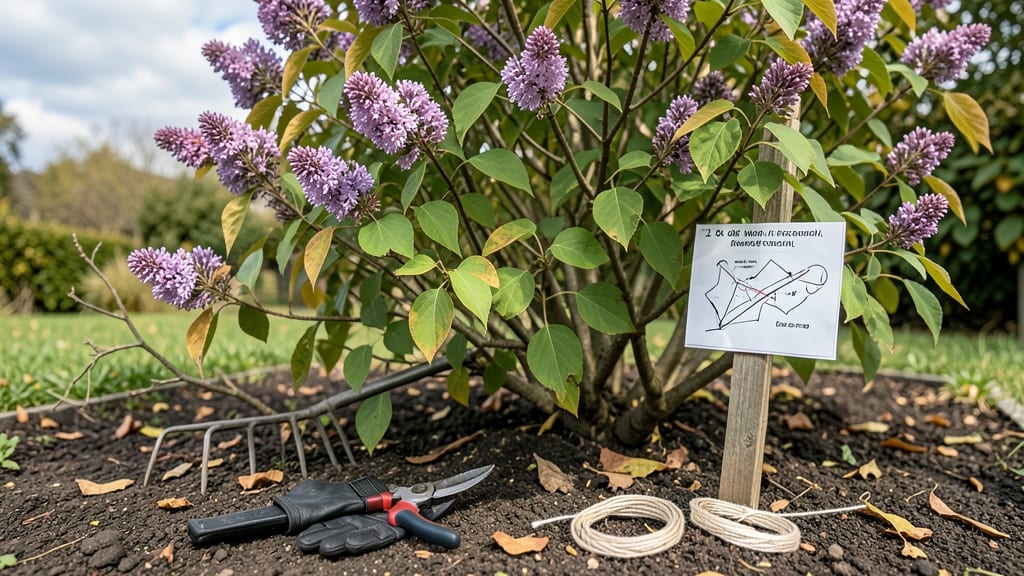
You can prune a lilac bush in the fall, but it's risky because new growth may freeze in winter, stressing the plant. Experts recommend waiting until late winter or early spring, just before buds swell but before leaves appear.
Fall pruning forces lilacs to grow fresh shoots too late in the season, leaving them vulnerable to frost damage. 🌱 These tender stems can't survive winter's chill, often dying back and weakening the plant's overall health.
I've seen many gardeners accidentally harm their lilacs this way—always prioritize timing over immediate shaping needs.
For best results, prune after the last frost but before buds break in late winter or early spring. This timing lets the plant focus on establishing strong roots before putting energy into blooms.
If your lilac is severely overgrown, you can do light shaping in summer after flowering, but avoid heavy cuts that remove more than 1/3 of the plant at once.
💡 In This Article
- Why Fall Pruning Damages Lilac Bushes
- Best Lilac Pruning Schedule by Season
Why fall pruning damages lilac bushes
Fall pruning triggers a biological response in lilacs that backfires spectacularly. When you cut branches in late autumn, the plant interprets this as a signal to push out fresh, tender growth—even though winter's chill is just weeks away.
These new shoots lack the hardy, woody structure needed to survive sub-freezing temperatures, often dying back to the ground when frost hits. This process, called "winter dieback," weakens the plant's root system and reduces next year's flowering potential.
The real damage occurs at the cellular level. Lilacs enter dormancy in fall, a survival mechanism where growth slows and energy reserves are stored. Pruning disrupts this cycle by forcing the plant to allocate precious carbohydrates to new stems instead of roots.
Studies show that lilacs pruned in fall can lose up to 30% of their root mass over winter due to this misplaced energy expenditure. The result? A bush that struggles to rebound in spring, often producing fewer blooms and more sparse foliage. 🌱
Temperature plays a critical role here. Most lilac varieties can't tolerate stems thinner than 1/4-inch diameter when winter arrives. Fall-pruned shoots rarely reach this thickness before frost, making them prime targets for freeze damage.
Compare this to spring-pruned stems, which have months to mature—often reaching 1/2-inch or thicker by winter. The difference in resilience is dramatic, with spring-pruned bushes showing 50% more survival rates in cold climates.
Pests and diseases also exploit this vulnerability. Fresh, tender growth attracts borers and fungal pathogens that wouldn't bother established wood. I've observed lilacs pruned in fall develop powdery mildew on new shoots within weeks, while properly timed spring pruning keeps the plant's defenses strong.
The plant's natural defenses are at their weakest during this transition period, making fall the worst time for any major pruning work.
Consider the lilac's natural growth rhythm: buds form in late summer, then swell in early spring before leaves emerge. Pruning in fall essentially "tricks" the plant into thinking it's spring, when in reality, winter's harsh conditions are approaching.
This mismatch between the plant's biological clock and environmental reality creates the perfect storm for damage. The key is to work with the plant's natural cycles rather than against them. ✨
Even if your lilac survives fall pruning, the long-term consequences are often severe. Over multiple seasons, this practice leads to a bush that's increasingly less vigorous, with fewer blooms and more bare stems. The energy that should go into producing flowers gets diverted to repairing frost damage instead.
For gardeners in zones 3-7 (where lilacs thrive), this is particularly problematic—fall pruning can turn a healthy, flowering shrub into a struggling specimen within just two years.
What most gardeners don't realize is that lilacs are actually quite resilient when pruned correctly. The secret lies in timing: waiting until late winter when the plant is still dormant but about to wake up.
At this stage, you're not disrupting the plant's natural processes—you're simply shaping it before it begins its annual growth cycle. This approach maintains the plant's energy balance and ensures those critical stems have time to harden off properly before winter arrives. 💫