
Pruning
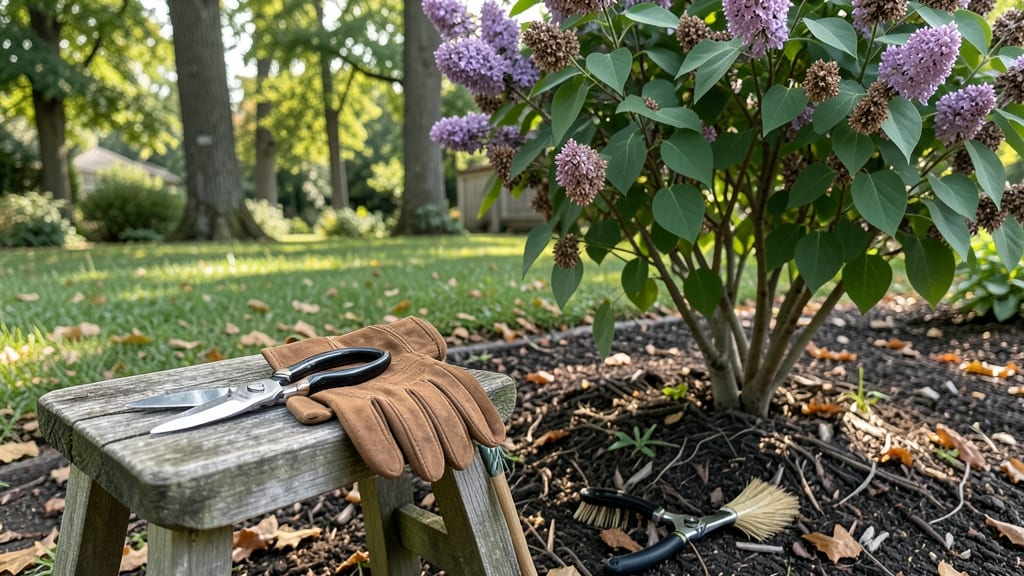
You can prune lilac in October only if absolutely necessary, as late-season cuts risk stunting next year's blooms or harming tender new growth. For best results, wait until late winter or early spring when the plant is dormant, or limit October pruning to removing dead or hazardous branches.
Lilacs set flower buds in late summer, so pruning after that—including October—can remove next year's blooms before they form. 🌸 The plant also struggles to heal fresh cuts in cooler weather, making infections more likely.
If you must prune in fall, focus on removing only dead, diseased, or dangerous branches using clean, sharp shears. I recommend marking branches to prune first, then making cuts just above outward-facing buds to encourage healthy regrowth.
For most gardeners, waiting until late winter (after the worst cold snaps) or early spring gives lilacs the best chance to recover and produce abundant blooms. This timing aligns with the plant's natural growth cycle, allowing it to focus energy on new growth rather than healing pruning wounds.
💡 In This Article
- Lilac Pruning Timing Explained: Why October Is Tricky
- October Lilac Pruning: Step-by-Step Safe Practices
Lilac pruning timing explained: why October is tricky
Lilacs begin forming flower buds in late summer, typically between July and August, which means any pruning done after this period—including in October—can accidentally remove next year's blooms before they fully develop.
The buds form along last year's growth, so cutting back stems in fall removes potential flowering sites. This is why gardeners often notice fewer blooms the following spring after late-season pruning.
The plant's natural growth cycle also makes October a challenging time for healing. Lilacs enter dormancy in late fall, but their metabolic processes slow significantly, making it harder for fresh cuts to seal properly.
Cooler temperatures (50-60°F) and increased humidity create ideal conditions for fungal infections, like powdery mildew, to invade open wounds. 🌿 Unlike spring pruning, which stimulates new growth, fall cuts force the plant to divert energy toward wound closure rather than preparing for next year's blooms.
What makes spring the ideal time is how it aligns with the lilac's natural awakening. When you prune in late winter or early spring (just before bud break), you remove old, unproductive wood while leaving the new growth intact.
This timing also gives the plant plenty of warm weather ahead to heal cuts and establish next year's flower buds. The key is to prune within 2-4 weeks before buds swell, typically around February to March in most climates.
There's also the issue of how lilacs store energy. These shrubs rely on their root systems and previous year's growth to fuel new blooms. Cutting back too much in fall reduces the plant's energy reserves, which can lead to weaker stems and fewer flowers.
For example, a mature lilac bush might produce 50-100 flowers per stem when properly maintained, but aggressive fall pruning can cut that number in half or more.
If you're dealing with a lilac that's overgrown or has dead branches, the safest approach in October is to remove only what's absolutely necessary. Focus on branches that are dead, diseased, or crossing—these should be cut back to the base or to a healthy bud.
Avoid heavy pruning that would remove more than 20-30% of the plant's foliage, as this can stress the shrub and reduce its ability to recover before winter.
One exception is if you're dealing with a lilac that's become completely unruly. In this case, you might opt for a light structural pruning in October to improve air circulation and reduce disease risk, but even then, it's better to wait until spring for major reshaping.
The goal is to minimize stress while keeping the plant healthy enough to survive the winter.