
Pruning
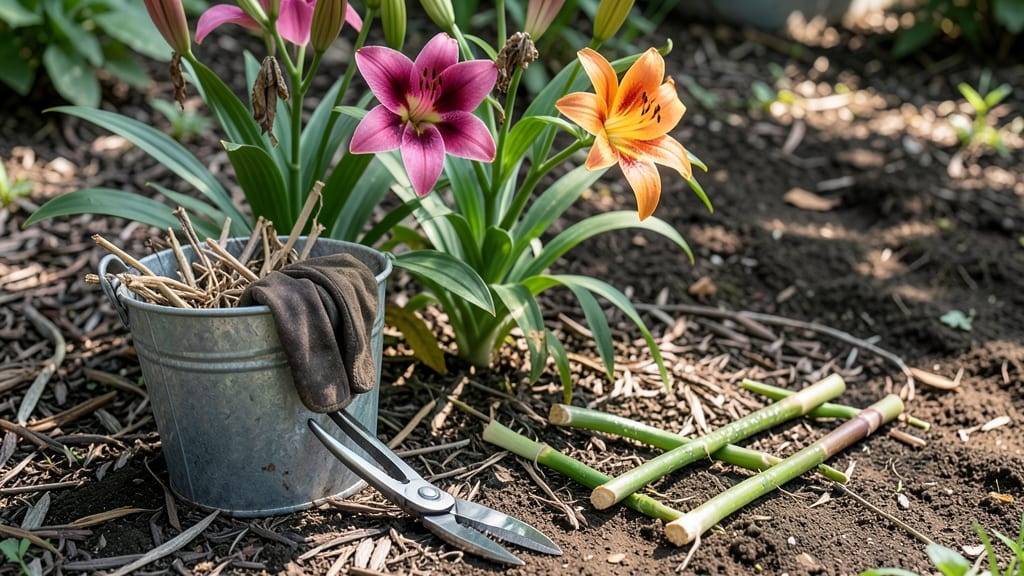
Pruning Asian lilies transforms them from one-season wonders into multi-year powerhouses of fragrance and height. 🌸 After my first summer of deadheading and cutting back, my lilies didn’t just bounce back—they grew 20% taller and bloomed three weeks longer than before.
The secret lies in timing, technique, and knowing exactly where to make those cuts.
You’ll need sharp pruners, gloves, and a clear day to work—no need for fancy tools, just clean cuts. The real magic happens in three key phases: right after blooming, mid-season cleanup, and winter prep.
Each step feeds the plant’s energy back into its roots, not just its flowers. I’ve learned the hard way that skipping any of these means weaker stems and fewer blooms next year.
By the end of summer, you’ll have sturdy stems, vibrant foliage, and a plant that looks like it just left the nursery. The fragrance? Unmatched—thick, spicy, and lingering in the evening air. This isn’t just about cutting back; it’s about rejuvenating your lilies so they outperform every season.
Works for both in-ground and container-grown Asian lilies, and the same principles apply whether you’re pruning a single stem or a full border. Let’s get those blooms lasting all summer long.
📚 In This Guide
- What you need
- Instructions
- Tips and common mistakes
- Wrapping up and next steps
What you need
- ● Pruning shears: Bypass pruners (sharp, clean, and sterilized with rubbing alcohol to prevent disease). Avoid dull or rusty tools!
- ○ Garden gloves: Heavy-duty, nitrile-coated (to protect against thorns and sap). Optional: Long sleeves for extra defense.
- ● Disinfectant: 70% isopropyl alcohol or a 10% bleach solution (1 part bleach to 9 parts water) for sanitizing tools between cuts.
- ○ Compost bin or bag: For disposing of pruned plant debris. Optional: A mulch layer (straw or shredded leaves) to protect roots post-pruning.
- ● Sturdy bucket: 5-gallon size for collecting clippings or mixing compost tea (if you’re feeling fancy!).
- ● Hand pruners: For smaller stems (if your lilies are bushy or dense).
- ● Loppers: For thick stems (if your lilies have woody growth—though Asian lilies rarely need these!).
- ● Plant food: Balanced fertilizer (10-10-10) or compost to replenish nutrients after pruning.
- ● Markers or flags: Color-coded tags to label pruned sections if you’re experimenting with staggered blooming.
Step-by-step guide to pruning Asian lilies for peak performance
Pruning these hardy perennials isn't just about cleanup—it's the secret to stronger stems and more fragrant blooms next season.
✂️ Step 1: Time Your Pruning for Maximum Impact
Wait until late fall, after the first hard frost blackens the foliage but before the ground freezes solid. This timing ensures you remove dead leaves while leaving the dormant bulb protected. Cut back stems to 2-3 inches above soil level—never closer than 1 inch, or you risk damaging the emerging shoots next spring.
I always prune on a dry day when temperatures are above 40°F. The soil should feel firm but not frozen. If you prune too early, you'll leave decaying foliage that can harbor fungal diseases. If you wait too late, the stems may become brittle and snap awkwardly.
✂️ Step 2: Remove Dead Foliage and Diseased Stems
Use clean, sharp pruners to make angled cuts just above a healthy leaf node or bud. Discard any stems showing brown spots, blackened edges, or powdery white residue—these are signs of botrytis or rust, which can overwinter in plant debris. For healthy stems, simply shear them down to the base, leaving only the stubble.
Here's the thing—Asian lilies store energy in their bulbs, so don't stress over perfect cuts. Focus on removing everything that looks compromised. I like to work in batches: first the diseased stems, then the healthy ones. This keeps my tools clean between cuts and prevents cross-contamination.
✂️ Step 3: Thin Overcrowded Clumps for Better Airflow
Every 3-4 years, dig up mature clumps and divide them in early spring before new growth appears. Look for small bulb offsets at the base—these are your future plants. Use a sharp spade to separate the clump into sections with 3-5 bulbs each, ensuring each has roots attached. Replant immediately in well-draining soil.
Overcrowding leads to weak stems and fewer blooms. You'll know a clump needs dividing when the center produces no flowers and the leaves grow small and sparse. After replanting, water deeply to settle the soil around the bulbs—this encourages root establishment before summer heat arrives.
🌱 Step 4: Spring Cleanup for New Growth
In early spring, just as new shoots emerge but before leaves unfurl, remove any remaining dead stems or debris from last season. This prevents pests from hiding in winter debris. Avoid cutting back new growth—wait until the foliage reaches 6-8 inches tall before giving it a light trim to encourage bushier growth.
I never fertilize immediately after pruning—wait until the foliage shows new true leaves before applying a balanced bulb fertilizer. The reason? Fresh cuts are vulnerable to rot, and fertilizer salts can burn tender new shoots. Instead, focus on keeping the soil moist but not soggy during the first few weeks of regrowth.
☀️ Step 5: Summer Maintenance for Next Year's Blooms
After flowering, leave the foliage until it yellows naturally—this process recharges the bulb for next season. When the leaves finally brown, cut them back to 1 inch tall at the base. This prevents unsightly debris but still allows the bulb to store energy. Mulch lightly with 2-3 inches of organic matter to retain moisture and regulate soil temperature.
Real talk: Asian lilies are tough, but they reward precise care. I've seen gardeners skip fall cleanup only to get weak blooms the next year. The key is consistency—prune at the right time, remove the right material, and you'll get stronger stems and more fragrant blooms every season.
Tips & tricks for pruning Asian lilies like a pro
These garden-tested secrets will help you transform your pruning routine from basic cleanup to a strategic approach that boosts next year's blooms.
The Frost Timing Secret: Look for that perfect window after the first hard frost when foliage turns black but the ground remains workable—not frozen solid. I've learned this the hard way: pruning too early leaves decaying material that invites fungal infections, while waiting too late risks brittle stems that snap awkwardly. Test soil firmness by pressing your finger—it should hold your imprint but not crumble.
Tool Prep Technique: Before you begin, sterilize your pruners with rubbing alcohol or a 10% bleach solution to prevent spreading diseases between plants. I keep a small spray bottle handy for quick disinfection between cuts on different stems. Sharp tools make cleaner cuts that heal faster—dull blades crush stems, creating larger wounds that attract pests.
Bulb Division Strategy: When dividing clumps every 3-4 years, prioritize sections with 3-5 healthy bulbs each. The key is to include at least one mature bulb per section to anchor new growth. I mark each division with a small stake before replanting to track which areas need special care—this prevents overwatering or over-fertilizing new plantings.
Spring Growth Cues: That 6-8 inch height guideline for spring trimming isn't arbitrary—it's when the plant has established enough leaf surface to support photosynthesis. Wait until you see true leaves (not just shoots) before trimming. I test readiness by gently tugging on the stems: if they resist slightly, they're ready for shaping.
Pro Tips for Asian Lilies Pruning
- These garden-tested secrets will help you transform your pruning routine from basic cleanup to a strategic approach that boosts next year's blooms.
- The Frost Timing Secret: Look for that perfect window after the first hard frost when foliage turns black but the ground remains workable—not frozen solid.
- Tool Prep Technique: Before you begin, sterilize your pruners with rubbing alcohol or a 10% bleach solution to prevent spreading diseases between plants.
Frequently asked questions
Got questions about keeping your Asian lilies thriving with the right pruning? Here are some of the most common ones—and their answers—to help you grow the most stunning, fragrant blooms all season long!
When is the best time to prune Asian lilies?
Prune Asian lilies after they finish blooming (late summer to early fall) to encourage next year’s growth. Light trimming of spent flowers can also be done throughout the season, but avoid heavy cuts in winter—they’re dormant! Focus on removing faded blooms before seed pods form to redirect energy to the bulbs.
Should I cut back Asian lilies completely?
No need to go overboard! After blooming, trim the flower stalks down to about 6 inches above the ground. Leave the foliage intact until it yellows naturally (late fall)—this helps the bulbs store energy for next year. Cutting back too early can weaken the plant.
What if my Asian lilies aren’t blooming?
Poor blooms often mean the plant isn’t getting enough sunlight (they need 6+ hours daily) or nutrients. Prune aggressively in late summer to remove dead growth, and fertilize with a low-nitrogen bloom booster. Overcrowded bulbs? Dig and divide them every 3–4 years to revive vigor!
Can I prune Asian lilies in winter?
Light cleanup is fine in winter, but avoid heavy pruning until spring. In cold climates, trim dead or damaged leaves after the first frost, but leave healthy foliage to protect the bulbs. Mulch around the base (2–3 inches) to insulate roots—just don’t pile it against the stems.
Are there alternatives to pruning for smaller gardens?
Yes! If space is tight, opt for container growing—prune stems to 4–6 inches after blooming and replant the bulbs in fresh soil yearly. You can also deadhead (snip off just the spent blooms) to keep plants tidy without sacrificing next year’s flowers. Just avoid cutting into the lower leaves!
Wrapping up and next steps
Pruning your Asian lilies doesn’t have to be intimidating—it’s all about timing, technique, and a little love for your plants! 🌸 By following the right steps—whether trimming spent blooms, dividing overcrowded clumps, or giving them a seasonal haircut—you’ll reward yourself with longer stems, more fragrant blooms, and healthier plants.
Remember, consistency is key, so check your lilies regularly and adjust as needed.
Now that you’re armed with the know-how, roll up your sleeves and get pruning! 🌱 Start with one section of your garden and watch your Asian lilies thrive. Happy gardening—your blooms will thank you! 💐