
Pruning
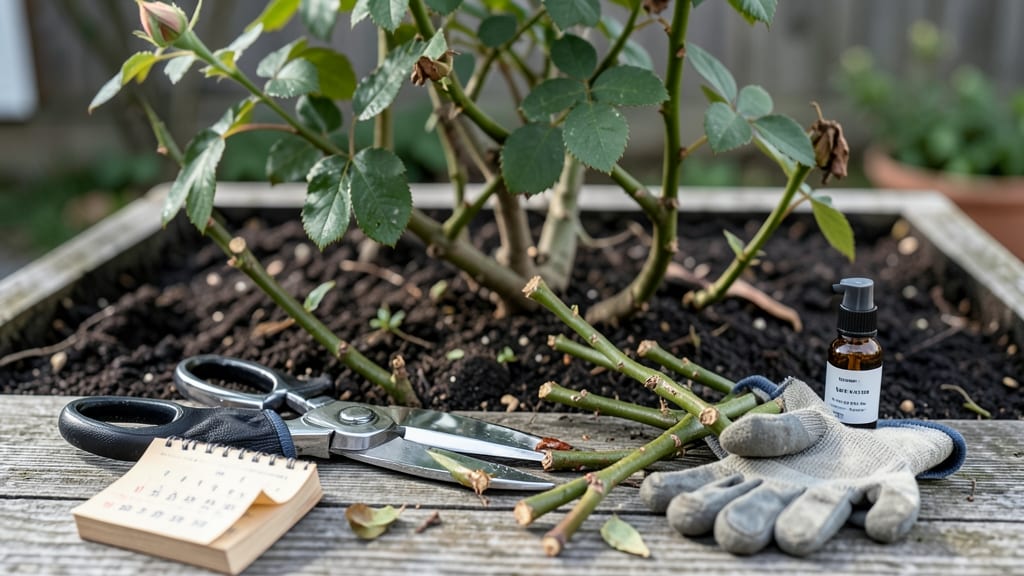
To prune roses in Colorado, aim for late winter or early spring before new growth starts, when the risk of frost has passed but buds haven’t yet swelled.
Colorado’s unpredictable winters and hot summers demand precise timing for rose pruning—get it wrong, and you risk stunted blooms or frost damage. I’ve seen hardy Knock Out roses thrive with minimal pruning, while delicate hybrid teas need careful attention to avoid winter dieback.
Most Colorado gardeners prune in March or April, just as the last frost warnings lift, but shrub roses like ‘Dr. Huey’ can handle a light trim in fall too.
The key is knowing your rose type and local microclimate—whether you’re in Denver’s USDA Zone 5 or the high desert’s Zone 7.
In this guide, I’ll walk you through the exact steps for Colorado’s climate, from when to prune climbers to how to sterilize your shears between cuts. You’ll leave with a pruning schedule that keeps your 🌹 roses blooming longer and stronger, no matter what Mother Nature throws your way.
Best pruning windows for Colorado roses: timing by rose type
Colorado’s USDA zones 4-7 create unique challenges for rose pruning, where late-winter freezes can surprise even experienced gardeners. Unlike coastal regions, our high-altitude climate demands precise timing to avoid frost damage while maximizing bloom potential.
The key is understanding that each rose type has distinct pruning needs—hybrid teas need aggressive cuts, while shrub roses thrive with minimal shaping.
Most Colorado gardeners make two major pruning cuts: a late-winter cleanup (just before buds swell) and a post-bloom refresh (after summer flowers fade). However, climbing roses often require a third, lighter trim in early fall to encourage next year’s growth.
The last frost date (typically mid-April to early May) serves as your anchor—prune too early, and you risk frost-killed canes; too late, and you stunt spring blooms.
Colorado’s elevation variations (from 5,000 to 10,000 feet) also shift pruning windows. Front Range gardeners (Denver, Boulder) can prune 2-3 weeks earlier than those in Western Slope areas (Grand Junction, Durango), where colder microclimates delay bud break. Always monitor local frost forecasts—a late-March surprise freeze can turn your pruned canes into icicles overnight.
For hybrid teas, the late-winter prune is critical—these roses bloom on new wood, so aggressive cuts in February-March (after the last hard freeze) encourage long, sturdy stems for summer displays.
I always mark my calendar for March 15th as a safe pruning date in Denver, but I double-check the National Weather Service for frost warnings. A 50°F+ day is your green light.
Floribundas and shrub roses are more forgiving—they bloom on both old and new wood, so you can prune 1-2 weeks later than hybrid teas. My go-to method is the "third bud" rule: cut back to an outward-facing bud that’s 3 buds down from where you want new growth to start. This creates stronger branching and better airflow to prevent black spot fungus, which thrives in Colorado’s humid summers.
Climbing roses deserve special attention because their long canes require structural support. I prune these in stages: first in late winter to remove dead or weak growth, then again in early fall to shape the plant for next year.
Colorado’s dry winds can stress climbers, so I always water deeply after pruning and apply a mulch ring to retain moisture.
One common mistake I see in Colorado gardens is over-pruning in fall. While a light trim in September-October helps shrub roses prepare for winter, never remove more than 1/3 of the plant—this limits next year’s bloom potential.
Instead, focus on removing diseased wood and crossing branches to improve airflow. For high-altitude gardens (above
How to prune Colorado roses without damaging cold-hardy varieties
Colorado’s cold-hardy roses need careful pruning to survive sudden frost cycles and thrive in high-altitude climates. Unlike milder regions, timing is everything—prune too early, and you risk winter dieback; too late, and blooms suffer.
The key is waiting until after the last frost (typically mid-April to early May) but before new growth begins.
Start by inspecting your roses for dead or diseased canes. These are easy to spot—they’re brown and brittle or lack buds. Use sterilized pruners to cut these out first, making your cuts at a 45-degree angle just above an outward-facing bud.
This angle helps water drain away from the cut, reducing rot risk—a critical factor in Colorado’s variable humidity.
⚠️ callout-warning ⚠️
Colorado’s late-March surprises can drop temps 20°F overnight. Pruning before bud break exposes fresh cuts to freeze damage, stunting growth. Wait until after last frost (check your USDA zone—4-7 for Colorado)—typically mid-April in Denver but late May in high-altitude areas like Aspen.
Pro Tip: If buds swell before your zone’s last frost date, cover cuts with pruning sealant temporarily.
Next, shape your rose by removing crossing or crowded canes. Aim for an open center to improve air circulation, which is vital for preventing black spot fungus—a common issue in Colorado’s summer humidity.
For shrub roses, cut back 1/3 of the oldest canes to the ground to encourage new, vigorous growth. For climbing roses, prune lightly to maintain structure.
After pruning, sterilize your tools with rubbing alcohol to prevent disease spread. Apply a balanced fertilizer (like 10-10-10) to encourage new growth, but hold off until after blooming if you’re pruning post-flower.
Water deeply at the base of the plant to help roots recover, but avoid overwatering, which can lead to root rot in Colorado’s clay-heavy soils.
For high-altitude gardens (e.g., elevation 7,000+ feet), delay pruning until late May to account for cooler temperatures. Monitor local weather forecasts and adjust—some years, June frosts can still occur.
If you miss the spring window, you can do light pruning in early fall (September), but avoid heavy cuts, as new growth won’t harden off before winter.
Finally, mulch around the base with 2-3 inches of organic mulch (like straw or wood chips) to insulate roots. This is especially important for young or newly pruned roses in Colorado’s temperature swings.
With the right timing and technique, your cold-hardy roses will reward you with lush blooms from early summer to fall.