
How To
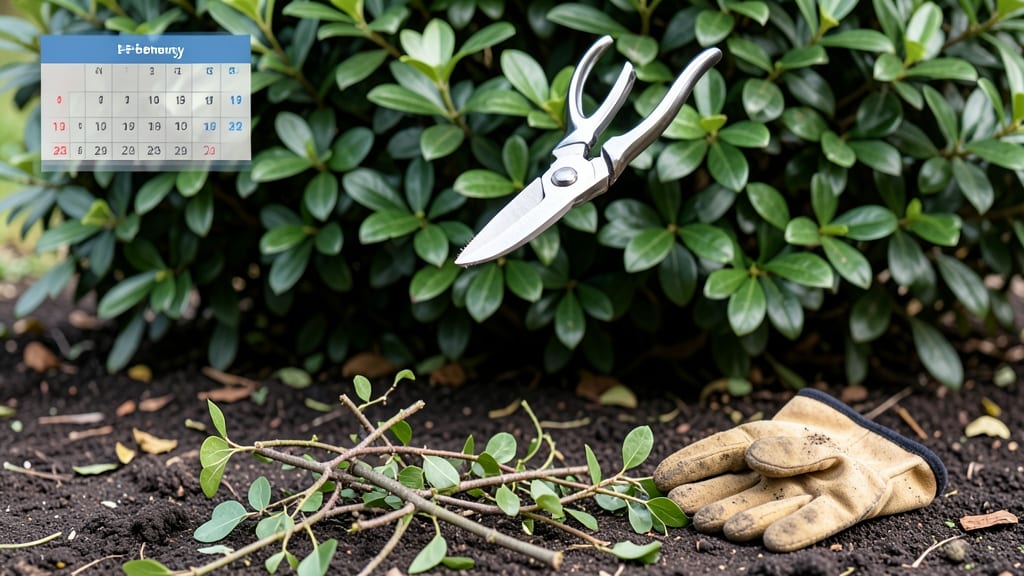
To prune ligustrum at the right time means late winter or early spring, just as the buds begin to swell but before new growth starts.
Picture this: you’ve spent years shaping your Privet (Ligustrum) 🌿 into a perfect hedge, only to watch it struggle or even die back after a misplaced cut. The difference between a thriving shrub and one that fights to recover often comes down to timing—and a few simple pruning rules.
In Zone 6a, where late frosts linger until mid-April, the ideal window is March, when the plant is still dormant but the threat of frost has passed. Pruning too early risks damaging tender new growth, while waiting too long can lead to overgrowth or even missed blooms.
Below, I’ll walk you through the exact steps to prune your ligustrum for denser foliage, how to adjust for your climate, and the common mistakes that leave shrubs looking ragged. Ready to transform your hedge?
Best time to prune ligustrum: late winter pruning schedule explained
Timing is everything when pruning your ligustrum—this hardy shrub thrives when pruned at the right moment. The optimal window is late winter, just before new buds swell but after the worst cold snaps have passed.
This timing ensures you don’t accidentally prune off next year’s blooms or encourage dieback from late-season cuts.
For most regions, this means pruning between mid-February and early April, aligning with USDA Zone 6a (where ligustrum grows best). The key is to act before active growth begins—typically when daytime temperatures consistently rise above 40°F (4°C) but before leaf buds burst.
This balance prevents stress while stimulating vigorous spring growth.
In cold climates (Zones 4-5), delay pruning until after the last frost date—typically mid-April. Ligustrum is resilient, but cutting into dormant wood too early can expose the plant to freeze damage.
Wait until you’ve seen consistent 50°F (10°C) daytime temps for at least a week to minimize risk.
For warmer climates (Zones 9-10), prune earlier—between January and February. These regions experience milder winters, so the plant may begin budding as early as late February. Prune just before this happens to avoid removing next year’s foliage.
If you miss the late-winter window, don’t panic—ligustrum can handle light pruning in early spring (before leaves emerge). However, avoid heavy pruning after May, as this can stimulate late-season growth that’s vulnerable to frost damage in cooler regions.
After pruning, focus on post-care to ensure your ligustrum recovers well. Apply a balanced fertilizer (10-10-10) in early spring to support new growth, and water deeply to help the plant recover from pruning stress. Mulch around the base to retain moisture and regulate soil temperature.
One common mistake is pruning too aggressively—never remove more than one-third of the plant’s foliage in a single session. Ligustrum responds best to gradual shaping, so spread heavy pruning over 2-3 years if needed. This approach maintains the plant’s natural density and encourages fuller, bushier growth.
Pro tip: Use sharp, clean pruners to make precise cuts just above a leaf node or outward-facing bud. This ensures the plant directs energy to new growth in the right direction. Always sterilize your tools with rubbing alcohol between cuts to prevent the spread of disease.
By following this late-winter schedule, you’ll keep your ligustrum looking its best while promoting healthier stems and denser foliage for years to come. The effort pays off with a neat, manicured shrub that thrives season after season.
How to prune ligustrum for thicker growth: step-by-step techniques
Pruning your ligustrum isn’t just about maintaining its shape—it’s about encouraging thicker, bushier growth and preventing leggy, sparse branches. The key lies in strategic cuts that stimulate new shoots while preserving the plant’s energy.
Start by focusing on dead or diseased wood first, as these can drain nutrients from healthy growth.
Next, look for branches that cross or rub against each other. These competing branches create weak points and can lead to thinning foliage over time. Removing them early ensures your ligustrum develops a dense, full canopy.
Always use clean, sharp pruners to avoid tearing the bark, which can invite pests or disease.
When to Prune Ligustrum: Pros and Cons
✅ Prune in Late Winter (Best Time)
- Pros: Encourages vigorous spring growth, removes winter-damaged branches, and prevents overcrowding.
- Cons: Requires sharp tools to avoid messy cuts; may need follow-up pruning in summer.
❌ Prune in Summer or Fall (Avoid)
- Pros: None—summer cuts can stimulate weak growth before winter.
- Cons: Increases risk of disease, pest infestations, and frost damage to new shoots.
💡 Pro Tip: If your ligustrum blooms, wait until after flowering to prune—this preserves next year’s blooms while still promoting thickness.
To encourage bushier growth, focus on selective thinning rather than shearing. Cut back overly long branches by about one-third to a bud or side shoot. This redirecting of energy forces the plant to branch out from the cut point, creating a fuller, more compact shape over time.
Pay attention to the branch color and texture—healthy wood is green or brown with a slight sheen, while dead wood is dry, brittle, and gray. Always remove diseased branches first, cutting 6 inches below the affected area to ensure the infection doesn’t spread.
Disinfect your pruners with rubbing alcohol between cuts for extra safety.
After pruning, give your ligustrum a light fertilizer to support new growth. Water deeply but infrequently to encourage strong root development, and mulch around the base to retain moisture. Avoid heavy pruning in the first year—let young ligustrum establish its structure before shaping it aggressively.
With the right cuts and timing, your ligustrum will reward you with thicker, healthier foliage and a neater appearance. Just remember: patience and precision are key—rushing the process can set you back months in growth progress. 🌿