
Pruning
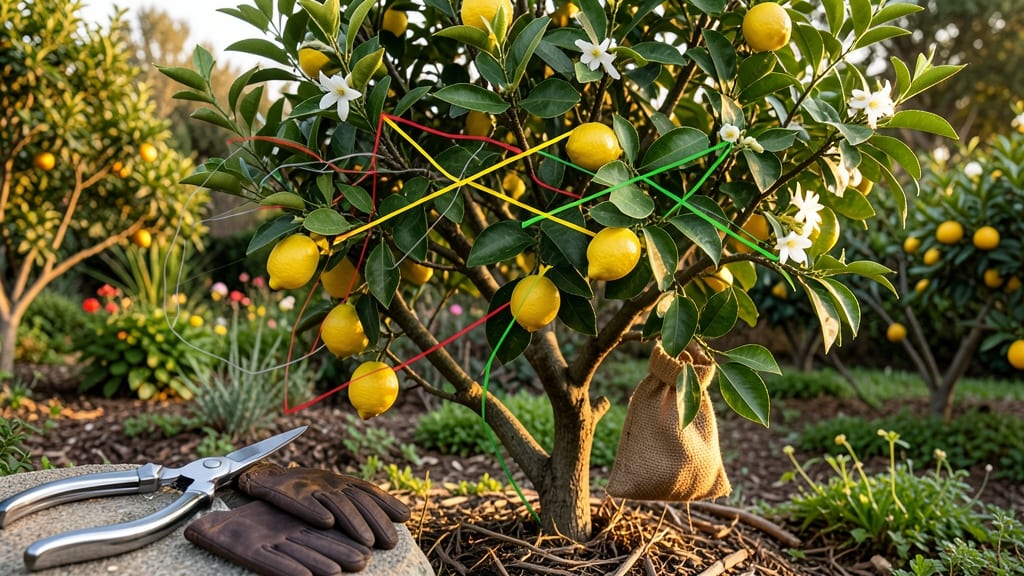
To prune your lemon tree in California at the right time means more fruit, stronger growth, and fewer pests—yet many gardeners still miss the best window.
Picture this: You’ve spent months nurturing your 🍋 lemon tree, only to prune it in late spring when the flowers are already forming. Suddenly, your harvest shrinks because you’ve cut off next year’s fruit.
Avoiding this mistake starts with knowing California’s microclimates—coastal areas thrive in late winter, while inland zones wait until early spring.
Below, I’ll break down the exact months to prune based on your region, how to tell if your tree needs pruning (and when to skip it), and the step-by-step techniques that keep your lemon tree productive for years.
From shaping young trees to maintaining mature ones, you’ll discover the game-changer that turns pruning from a guess into a science—so you can enjoy that first sweet lemon of the season without the stress.
Best months to prune lemon trees in California: climate-specific timeline
California’s diverse climate—from coastal fog to inland heat—means your lemon tree’s pruning schedule depends heavily on where you live.
In coastal regions like San Diego or Santa Barbara, milder winters allow pruning as early as late January, while inland areas such as Sacramento or Fresno should wait until February or March to avoid frost damage.
Timing isn’t just about the calendar; it’s about aligning with your tree’s natural growth cycle to maximize fruit production and tree health.
Pruning at the wrong time can trigger stress, reduce blooms, or even attract pests like aphids. For example, cutting back branches during bloom season (spring) removes potential fruit-bearing wood, while pruning too late in summer can stunt new growth before winter.
The key is to prune when your tree is dormant but not yet actively growing, typically in late winter or early spring, just before new buds form.
Here’s how California’s microclimates break down for optimal pruning:
| Region | Best Pruning Window | Why This Timing? | Avoid Pruning When |
|---|---|---|---|
| Coastal (San Diego, Santa Barbara) | Late January–Early February | Mild winters allow early dormancy break; reduces fungal risk from coastal humidity. | March–May (bloom season) |
| Inland (Sacramento, Fresno) | February–March | Warmer winters delay dormancy; prune after last frost risk (typically mid-February). | April–June (peak bloom) |
| Desert (Palm Springs, Joshua Tree) | March–Early April | Hotter climate speeds up growth; prune before summer heat stress. | July–September (extreme heat) |
| All Regions (Light Pruning) | Late Spring (June) | Remove only dead/diseased wood after harvest; avoids disturbing new growth. | Never during bloom (March–May) |
For young lemon trees (under 3 years old), focus on structural pruning to encourage a strong framework. Remove any crossing branches or those growing inward, as these compete for sunlight and nutrients.
In contrast, mature trees (5+ years) benefit from renewal pruning—cutting back about one-third of the oldest branches to stimulate new growth and fruit production. This is best done in late winter when the tree is dormant.
One common mistake is pruning too aggressively, which can shock the tree and reduce fruit set. Aim to remove no more than 25% of the canopy in a single session. Also, avoid pruning during hot afternoons, as the stress combined with heat can lead to sunburn on exposed branches.
Instead, prune on cool, overcast days to minimize stress and allow wounds to heal faster.
After pruning, apply a dormant oil spray to protect against pests like scale or mites, which are more likely to infest stressed trees. For container-grown lemon trees, prune slightly earlier (by 2–3 weeks) since they experience more temperature fluctuations.
Containers also dry out faster, so increase watering frequency after pruning to support recovery.
If you missed the winter window, don’t panic—you can perform a light pruning in late spring (June) to remove only dead, diseased, or crowded branches. However, avoid heavy pruning during this time, as it can delay the tree’s ability to set fruit for the next harvest season.
Always prioritize health over aesthetics; a well-pruned lemon tree will reward you with more lemons and stronger growth.
Pro tip: Mark your calendar for next year’s pruning date based on your region. Coastal gardeners can set reminders for late January, while inland growers should aim for early March.
With the right timing, your lemon tree will thrive year after year, producing an abundance of juicy fruit for decades.
How to prune a lemon tree for maximum fruit production: step-by-step guide
Pruning your lemon tree correctly is the key to bountiful fruit production and a healthy structure. In California’s mild climate, timing and technique make all the difference.
The goal is to encourage fruit-bearing branches while removing dead or overcrowded wood—but do it wrong, and you risk stressing the tree or reducing next year’s harvest.
I’ve pruned my own lemon trees in Southern California for years, and the best results come from a structured approach. Whether you’re shaping a young tree or maintaining a mature one, follow these step-by-step techniques to stimulate growth without harming your citrus queen.
The right tools and branch angle matter just as much as the timing!
-
Step 1: Gather Your Tools
Use sharp pruning shears for small branches, loppers for thicker limbs, and sterilized tools to prevent disease. A glove and disinfectant (like rubbing alcohol) are must-haves too!
-
Step 2: Remove Dead or Diseased Wood
Cut out any brown, brittle, or blackened branches first. These won’t produce fruit and can spread disease. Make clean cuts at a 45-degree angle just above a leaf node or bud.
-
Step 3: Thin Out Overcrowded Branches
Look for crossing branches or those growing inward. Remove 1 in 3 branches to improve airflow and sunlight penetration. Aim for an open vase shape to maximize fruit exposure.
-
Step 4: Shape for Fruit Production
Focus on outward-facing branches at a 45-60 degree angle from the trunk. These angles encourage fruit-bearing and reduce branch breakage under lemon weight.
-
Step 5: Stimulate New Growth
Prune just above a leaf bud or side shoot to encourage new growth. Avoid cutting into old wood—this can stunt regeneration. Water deeply after pruning to reduce stress.
-
Step 6: Clean Up and Apply Fertilizer
Remove all pruned debris from the area to prevent pests. Apply a citrus-specific fertilizer (high in nitrogen for new growth) and mulch around the base to retain moisture.
After pruning, I always monitor my lemon tree’s response for new shoots within 4-6 weeks. If you notice yellowing leaves or stunted growth, you may have pruned too aggressively. Remember, young trees need lighter pruning (10-20% of branches) compared to mature trees (20-30%).
For container-grown lemon trees, prune more frequently—every 3-4 months—to control size and shape. In California’s coastal regions, you can even prune lightly in late summer to prepare for winter, but avoid heavy cuts during bloom season (spring).
The key is balance: prune enough to encourage fruit, but not so much that you weaken the tree.
With the right technique, your lemon tree will reward you with juicier fruit, faster growth, and a neater shape. Happy pruning—your future lemon harvest depends on it! 🍋